Lord Shiva’s Hidden Role in Mahabharata War Nobody Knew
Deepak Rajeev | Thu, 07 May 2026
This article explores Lord Shiva’s hidden role in the Mahabharata war, focusing on his mysterious encounter with Arjuna, the divine test on Mount Kailash, and the granting of the powerful Pashupatastra. It reveals how Shiva’s silent presence shaped key moments of Kurukshetra, maintaining cosmic balance and guiding destiny without direct intervention in the epic battle.

Lord Shiva's Blessings for Arjuna (Image Credit: AI)
The Mahabharata is often seen as a battlefield of warriors, strategy, dharma, and destiny, but beneath the surface lies a far deeper layer that many overlook. Lord Shiva, though not a direct participant in the war, is described in ancient retellings as a powerful cosmic force whose presence quietly shapes key turning points in the epic. Unlike Krishna, who openly guides Arjuna, Shiva’s influence is subtle, mysterious, and often hidden behind tests, boons, and divine encounters that decide the fate of warriors long before the war begins.
![Maha Dev (Image Credit: AI)]()
One of the most significant hidden links between Shiva and the Mahabharata begins with Arjuna’s intense penance to obtain divine weapons for the Kurukshetra war. According to traditional accounts, Shiva appears before Arjuna in the form of a hunter, known as Kirata, to test his strength, humility, and devotion. What begins as a conflict over a wild boar transforms into a divine duel, where Arjuna unknowingly challenges Shiva himself. This encounter is not just a test of physical strength but a symbolic evaluation of Arjuna’s inner discipline. Only after Arjuna surrenders his ego does Shiva reveal his true form and bless him with one of the most powerful celestial weapons in existence, the Pashupatastra, which is said to be capable of immense destruction if misused.
![Lord Shiva]()
The granting of the Pashupatastra is one of the most debated divine moments linked to Shiva in the Mahabharata. This weapon is not just a reward but a responsibility, bound by strict cosmic rules. It is said that it must never be used against weaker opponents and can only be invoked in extreme necessity. This condition itself introduces a hidden layer of restraint into the war narrative, ensuring that even the most powerful weapons are governed by dharma rather than impulse. Some interpretations suggest that Shiva’s role here is not to support one side but to maintain cosmic balance. By empowering Arjuna yet restricting the weapon’s usage, Shiva indirectly ensures that the war remains a moral conflict rather than a complete annihilation of creation.
Though Shiva does not physically fight in the Kurukshetra war, later traditions and interpretations describe his influence as symbolic yet impactful. In various retellings, divine forces associated with Shiva are believed to appear in moments of extreme imbalance, particularly when the war risks crossing ethical boundaries. Shiva’s essence is often interpreted as the force of transformation and destruction, meaning his presence in the Mahabharata is not about taking sides but about ensuring that destruction serves a larger cosmic renewal.
What makes Shiva’s role unique in the Mahabharata is not what he does openly, but what he represents in silence. While Krishna actively guides Arjuna through the Bhagavad Gita, Shiva’s influence operates through trials, isolation, and realization. Arjuna’s encounter with Shiva is not just a moment of divine blessing, but a spiritual breaking point where ego is destroyed before war even begins. This silence is often interpreted as Shiva’s true intervention. Instead of altering the war directly, he shapes the warrior who will fight it.
The deeper philosophical reading of Shiva’s role suggests that he is not a battlefield deity in the Mahabharata but a force of preparation. Every warrior who reaches a divine threshold through tapasya, discipline, or inner struggle is, in a way, passing through Shiva’s domain of transformation. In this sense, Shiva is not absent from the Mahabharata war. He is embedded within its foundations, silently influencing the destiny of those who think they are acting on their own will, while in reality moving through a larger cosmic design.
Shiva’s hidden presence in the Mahabharata changes the way the epic is understood. It is not just a story of armies and strategies but a layered spiritual framework where divine forces shape human choices long before swords are drawn. Shiva’s role is not loud, not direct, and not always visible, but it is deeply embedded in the turning points that define the fate of the greatest war in Indian tradition.
Unlock insightful tips and inspiration on personal growth, productivity, and well-being. Stay motivated and updated with the latest at My Life XP.
The Testing of Arjuna on Mount Kailash
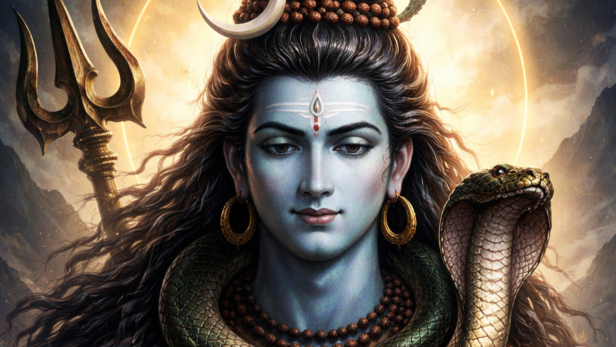
Maha Dev (Image Credit: AI)
One of the most significant hidden links between Shiva and the Mahabharata begins with Arjuna’s intense penance to obtain divine weapons for the Kurukshetra war. According to traditional accounts, Shiva appears before Arjuna in the form of a hunter, known as Kirata, to test his strength, humility, and devotion. What begins as a conflict over a wild boar transforms into a divine duel, where Arjuna unknowingly challenges Shiva himself. This encounter is not just a test of physical strength but a symbolic evaluation of Arjuna’s inner discipline. Only after Arjuna surrenders his ego does Shiva reveal his true form and bless him with one of the most powerful celestial weapons in existence, the Pashupatastra, which is said to be capable of immense destruction if misused.
The Pashupatastra and the Hidden Balance of Power
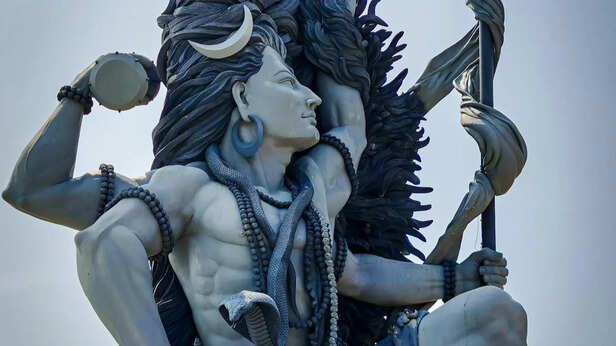
Lord Shiva
Image credit : Pexels
The granting of the Pashupatastra is one of the most debated divine moments linked to Shiva in the Mahabharata. This weapon is not just a reward but a responsibility, bound by strict cosmic rules. It is said that it must never be used against weaker opponents and can only be invoked in extreme necessity. This condition itself introduces a hidden layer of restraint into the war narrative, ensuring that even the most powerful weapons are governed by dharma rather than impulse. Some interpretations suggest that Shiva’s role here is not to support one side but to maintain cosmic balance. By empowering Arjuna yet restricting the weapon’s usage, Shiva indirectly ensures that the war remains a moral conflict rather than a complete annihilation of creation.
Shiva’s Subtle Presence in War-Time Destiny Shifts
Though Shiva does not physically fight in the Kurukshetra war, later traditions and interpretations describe his influence as symbolic yet impactful. In various retellings, divine forces associated with Shiva are believed to appear in moments of extreme imbalance, particularly when the war risks crossing ethical boundaries. Shiva’s essence is often interpreted as the force of transformation and destruction, meaning his presence in the Mahabharata is not about taking sides but about ensuring that destruction serves a larger cosmic renewal.
The Deeper Spiritual Meaning Behind Shiva’s Silence
What makes Shiva’s role unique in the Mahabharata is not what he does openly, but what he represents in silence. While Krishna actively guides Arjuna through the Bhagavad Gita, Shiva’s influence operates through trials, isolation, and realization. Arjuna’s encounter with Shiva is not just a moment of divine blessing, but a spiritual breaking point where ego is destroyed before war even begins. This silence is often interpreted as Shiva’s true intervention. Instead of altering the war directly, he shapes the warrior who will fight it.
The Hidden Truth Many Miss
The deeper philosophical reading of Shiva’s role suggests that he is not a battlefield deity in the Mahabharata but a force of preparation. Every warrior who reaches a divine threshold through tapasya, discipline, or inner struggle is, in a way, passing through Shiva’s domain of transformation. In this sense, Shiva is not absent from the Mahabharata war. He is embedded within its foundations, silently influencing the destiny of those who think they are acting on their own will, while in reality moving through a larger cosmic design.
Final Reflection
Shiva’s hidden presence in the Mahabharata changes the way the epic is understood. It is not just a story of armies and strategies but a layered spiritual framework where divine forces shape human choices long before swords are drawn. Shiva’s role is not loud, not direct, and not always visible, but it is deeply embedded in the turning points that define the fate of the greatest war in Indian tradition.
Unlock insightful tips and inspiration on personal growth, productivity, and well-being. Stay motivated and updated with the latest at My Life XP.