Why Scientists Can’t Explain This Narasimha Miracle
Noopur Kumari | Fri, 08 May 2026
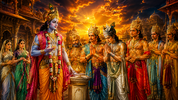
Deep inside the sacred hills of Ahobilam, devotees believe an ancient divine battle still echoes through the land itself. The red stones and soil are said to carry the blood marks of Hiranyakashipu after his terrifying end at the hands of Lord Narasimha. But the mystery grows even stranger. At Panakala Narasimha Temple, devotees claim the idol drinks jaggery sherbet during rituals and even produces a burping sound afterward. And despite centuries passing No explanation has fully ended the mystery surrounding this unbelievable phenomenon.

Deep inside the mysterious hills of Ahobilam
Image credit : ChatGPT(ai)
Hindu mythology is filled with mysteries that continue to fascinate people across generations. Among the most powerful and fearsome forms of divinity is Lord Narasimha, the fierce avatar who appeared to destroy evil and protect devotion. His story is not just remembered through scriptures but also through temples, rituals, and strange incidents that many devotees believe still carry divine energy today. From unexplained temple phenomena to ancient legends hidden in mountains, the mysteries connected to Lord Narasimha continue to leave both devotees and researchers stunned. And some stories feel too strange to ignore.
![The Red Hills of Ahobilam]()
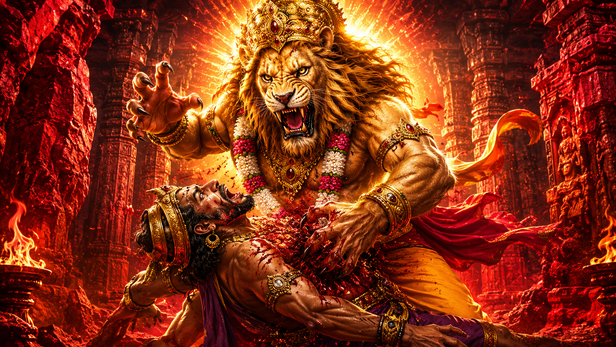
In the sacred region of Ahobilam, many devotees believe the reddish stones and soil are connected to the death of Hiranyakashipu. According to mythology, this is where Lord Narasimha appeared in terrifying form to destroy the demon king who challenged divine power. Locals claim the unusual red color of the rocks symbolizes the blood spilled during that cosmic battle. Whether myth or miracle, the atmosphere of Ahobilam feels deeply spiritual and intense. Pilgrims visiting the hills often describe a strange energy that makes the ancient story feel alive even today.
![Mystery Inside Panakala Temple]()
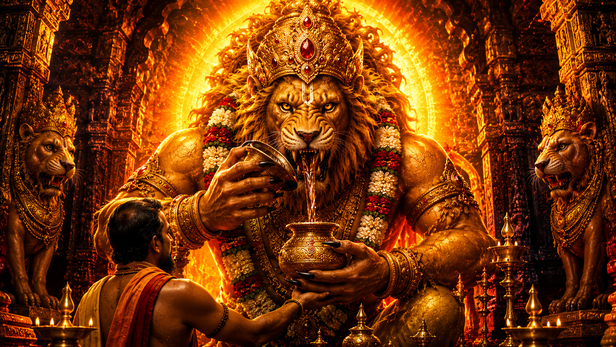
One of the most mysterious legends connected to Lord Narasimha exists inside Panakala Narasimha Temple. Devotees offer jaggery sherbet directly to the deity’s mouth, and astonishingly, the liquid appears to disappear inside the idol. Witnesses also claim a burping sound can sometimes be heard during the ritual. Priests say the deity accepts only a certain amount before the remaining liquid flows back out. What shocks visitors most is that despite the sweetness, ants and insects rarely gather near the idol. Even today, this unexplained phenomenon continues to fascinate believers and visitors alike.
![Narasimha’s Uncontrollable Fury]()
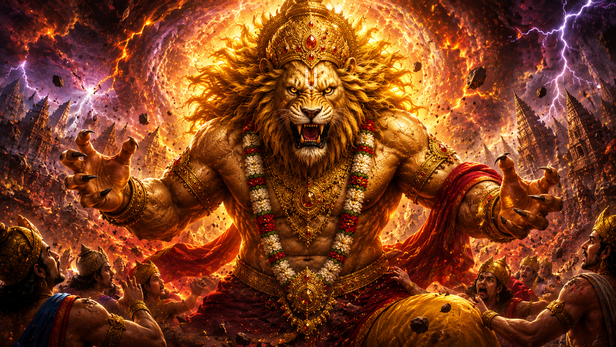
According to Hindu mythology, Lord Narasimha’s rage did not calm even after Hiranyakashipu’s death. His furious energy became so intense that gods and sages feared cosmic destruction. Despite prayers and divine requests, nobody could control his anger. This terrifying moment is considered one of the most intense scenes in ancient mythology. The story symbolizes how divine power, when awakened against evil, can become unstoppable. Many spiritual teachers interpret this not only as a mythological event but also as a deeper lesson about anger, destruction, and the overwhelming force created when righteousness finally erupts after long oppression.
To calm Lord Narasimha’s uncontrollable rage, mythology says Lord Shiva took the powerful Sharabha form. Sharabha is described as a fierce celestial being powerful enough to absorb destructive divine energy itself. This rare story fascinates devotees because it shows even gods balancing each other to protect cosmic harmony. Spiritual interpretations suggest the event represents the importance of controlling anger before it consumes everything. The legend continues to inspire deep debates among devotees, scholars, and storytellers fascinated by the hidden symbolism behind these divine encounters.
Thousands of devotees continue visiting Narasimha temples seeking protection, courage, and spiritual strength. What keeps these stories alive is not only mythology but also the emotional experience many people feel during worship. Some believe the unexplained events are miracles, while others see them as symbols carrying deeper spiritual truths. But regardless of explanation, these mysteries continue creating curiosity generation after generation. The combination of ancient legends, unusual temple rituals, and powerful divine imagery gives Lord Narasimha’s story a unique intensity rarely found elsewhere. For many believers, faith begins exactly where human understanding reaches its limit.
Unlock insightful tips and inspiration on personal growth, productivity, and well-being. Stay motivated and updated with the latest at My Life XP.
1. Where is Ahobilam located?
Ahobilam is a famous pilgrimage site in Andhra Pradesh dedicated to Lord Narasimha and is believed to be the place where Hiranyakashipu was killed.
2. Why is Ahobilam considered mysterious?
Devotees believe the red stones and soil found in the hills symbolize the blood marks of Hiranyakashipu after his battle with Lord Narasimha.
3. What is special about Panakala Narasimha Temple?
At Panakala Narasimha Temple, devotees offer jaggery sherbet to the deity, and many believe the idol mysteriously “drinks” the offering.
4. Why do devotees mention a burping sound in the temple?
According to temple beliefs, a burping-like sound is sometimes heard while offering the sherbet, which devotees consider a divine sign that the offering has been accepted.
5. Did Lord Narasimha’s anger continue after Hiranyakashipu’s death?
Yes. Hindu mythology says Lord Narasimha’s rage remained uncontrollable even after the demon king’s death, causing fear among gods and sages.
The Mountains Said to Hold Ancient Blood Marks
The Red Hills of Ahobilam
Image credit : ChatGPT(ai)
In the sacred region of Ahobilam, many devotees believe the reddish stones and soil are connected to the death of Hiranyakashipu. According to mythology, this is where Lord Narasimha appeared in terrifying form to destroy the demon king who challenged divine power. Locals claim the unusual red color of the rocks symbolizes the blood spilled during that cosmic battle. Whether myth or miracle, the atmosphere of Ahobilam feels deeply spiritual and intense. Pilgrims visiting the hills often describe a strange energy that makes the ancient story feel alive even today.
The Idol That Drinks Sweet Sherbet
Mystery Inside Panakala Temple
Image credit : ChatGPT
One of the most mysterious legends connected to Lord Narasimha exists inside Panakala Narasimha Temple. Devotees offer jaggery sherbet directly to the deity’s mouth, and astonishingly, the liquid appears to disappear inside the idol. Witnesses also claim a burping sound can sometimes be heard during the ritual. Priests say the deity accepts only a certain amount before the remaining liquid flows back out. What shocks visitors most is that despite the sweetness, ants and insects rarely gather near the idol. Even today, this unexplained phenomenon continues to fascinate believers and visitors alike.
The Rage That Did Not End After Victory
Narasimha’s Uncontrollable Fury
Image credit : ChatGPT(ai)
According to Hindu mythology, Lord Narasimha’s rage did not calm even after Hiranyakashipu’s death. His furious energy became so intense that gods and sages feared cosmic destruction. Despite prayers and divine requests, nobody could control his anger. This terrifying moment is considered one of the most intense scenes in ancient mythology. The story symbolizes how divine power, when awakened against evil, can become unstoppable. Many spiritual teachers interpret this not only as a mythological event but also as a deeper lesson about anger, destruction, and the overwhelming force created when righteousness finally erupts after long oppression.
Why Lord Shiva Took the Sharabha Form
The Mystery That Still Attracts Devotees
Unlock insightful tips and inspiration on personal growth, productivity, and well-being. Stay motivated and updated with the latest at My Life XP.
Frequently Asked Questions (FAQs)
Ahobilam is a famous pilgrimage site in Andhra Pradesh dedicated to Lord Narasimha and is believed to be the place where Hiranyakashipu was killed.
2. Why is Ahobilam considered mysterious?
Devotees believe the red stones and soil found in the hills symbolize the blood marks of Hiranyakashipu after his battle with Lord Narasimha.
3. What is special about Panakala Narasimha Temple?
At Panakala Narasimha Temple, devotees offer jaggery sherbet to the deity, and many believe the idol mysteriously “drinks” the offering.
4. Why do devotees mention a burping sound in the temple?
According to temple beliefs, a burping-like sound is sometimes heard while offering the sherbet, which devotees consider a divine sign that the offering has been accepted.
5. Did Lord Narasimha’s anger continue after Hiranyakashipu’s death?
Yes. Hindu mythology says Lord Narasimha’s rage remained uncontrollable even after the demon king’s death, causing fear among gods and sages.