What the Swastik Really Means in Hinduism
Noopur Kumari | Jun 06, 2026, 12:00 IST
It appears on temple walls, prayer plates, home entrances, and festive decorations. Most people recognize the Swastik instantly, but few truly understand its deeper spiritual meaning. Far more than a decorative mark, the Swastik has been revered in Hindu traditions for thousands of years as a symbol of prosperity, protection, harmony, and divine blessings. As interest in spirituality grows among younger generations, many are rediscovering the timeless wisdom hidden within this sacred symbol. Its meaning goes beyond ritual it represents a way of understanding balance, positivity, and the continuous flow of life itself.

Every symbol tells a story. Some symbols are remembered for centuries because they carry a deeper message that speaks to generation after generation. The Swastik is one such symbol. Seen outside homes, inside temples, and during sacred ceremonies, it has remained an important part of Hindu traditions for thousands of years. Yet many people know the symbol without fully understanding its significance. Why is it drawn before important occasions? Why do families place it at entrances and prayer spaces? And what spiritual message has allowed it to survive through countless generations? The answers reveal a symbol that represents much more than tradition. It represents hope, harmony, blessings, and the eternal rhythm of life.
![Ancient Sacred Symbol of Blessings]()
The Swastik is one of the oldest sacred symbols found in Hindu culture. Its name comes from the Sanskrit word "Swasti," which is associated with wellbeing, prosperity, peace, and good fortune. For generations, devotees have viewed it as a symbol that invites positive energy and divine blessings into a space. Unlike ordinary decorative markings, the Swastik carries spiritual meaning rooted in ancient wisdom. It reminds people that true prosperity is not only material wealth but also harmony, happiness, and balance in life. This deeper understanding explains why it remains so widely respected today.
![Welcoming Positive Energy]()
Whether it is a housewarming ceremony, a wedding, a new business venture, or a major festival, the Swastik is often one of the first symbols drawn. Many Hindu families believe it creates an atmosphere of positivity before beginning something important. The act itself is symbolic. It reflects the desire to start a journey with blessings, protection, and faith. Rather than being a superstition, it serves as a reminder to approach new beginnings with optimism and gratitude. This tradition continues because it provides emotional comfort and spiritual confidence during life's important moments.
One of the most fascinating aspects of the Swastik is the symbolism attached to its four arms. Spiritual interpretations often connect them with the four Vedas, the four directions, the four stages of life, and the balance that exists throughout the universe. The shape itself suggests movement rather than stillness. It reflects the idea that life is constantly evolving and changing. Through this symbolism, the Swastik teaches an important lesson: growth happens when different aspects of life remain balanced. Harmony is not achieved by standing still but by moving forward with awareness.
Many people draw the Swastik at the entrance of their homes because it is considered a symbol of protection. Spiritual beliefs suggest that it helps create an environment filled with positive vibrations while reducing negativity. Whether placed on doors, prayer rooms, or ceremonial objects, its presence serves as a reminder of faith and divine guidance. Beyond ritual practices, it also encourages mindfulness. Every time people see the symbol, they are reminded to focus on positive thoughts, good actions, and spiritual growth. This ongoing connection gives the symbol lasting relevance.
In recent years, younger audiences have shown growing interest in spiritual traditions and cultural symbols. Social media platforms have played a major role in this shift. Short videos, spiritual discussions, and educational content have introduced many people to the meanings behind practices they once overlooked. The Swastik has become part of these conversations because it offers a connection to heritage and identity. For many young people, learning about such symbols is not just about religion. It is about understanding the values, stories, and wisdom passed down through generations.
The enduring popularity of the Swastik comes from the message it carries. At its heart, it encourages positivity, balance, and alignment with higher values. In a world often filled with stress and uncertainty, these principles remain as relevant as ever. The symbol reminds people that peace begins within and that blessings are strengthened through gratitude and right action. Rather than focusing only on rituals, its deeper lesson encourages a mindset of hope, responsibility, and spiritual awareness. This message continues to resonate across generations.
Many symbols fade with time, but the Swastik has remained a meaningful part of Hindu life for centuries. Its significance extends beyond ceremonies and festivals because it represents values that never lose importance. Prosperity, protection, harmony, faith, and spiritual growth are aspirations shared by people in every era. The Swastik serves as a visual reminder of these ideals. It connects the present with the past while offering guidance for the future. That enduring relevance is what makes it one of the most respected symbols in Hindu traditions.
Unlock insightful tips and inspiration on personal growth, productivity, and well-being. Stay motivated and updated with the latest at My Life XP.
1. What is the spiritual meaning of the Swastik in Hinduism?
The Swastik is regarded as a sacred symbol of prosperity, peace, good fortune, protection, and divine blessings. It represents harmony between the physical and spiritual aspects of life.
2. Why is the Swastik drawn during Hindu rituals?
The symbol is traditionally drawn before pujas, festivals, weddings, and other auspicious occasions to invoke positive energy, blessings, and success for new beginnings.
3. What does the word "Swastik" mean?
The word comes from the Sanskrit term "Swasti," which means wellbeing, good fortune, prosperity, peace, and auspiciousness.
4. Why is the Swastik placed at the entrance of homes?
Many devotees believe that placing the Swastik at the entrance invites positivity, prosperity, and spiritual protection while creating a welcoming atmosphere.
5. What do the four arms of the Swastik symbolize?
According to various spiritual interpretations, the four arms represent the four Vedas, four directions, four stages of life, and the balance that governs the universe.
A Symbol Rooted in Ancient Wisdom
Ancient Sacred Symbol of Blessings
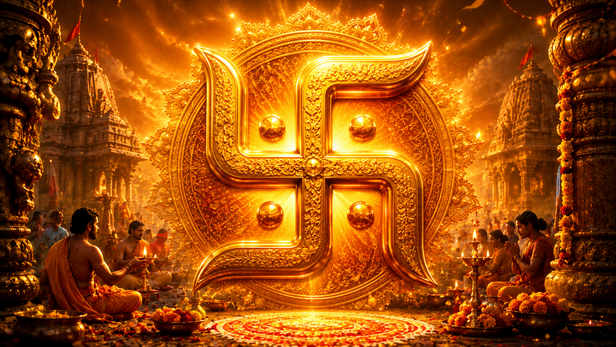
The Swastik is one of the oldest sacred symbols found in Hindu culture. Its name comes from the Sanskrit word "Swasti," which is associated with wellbeing, prosperity, peace, and good fortune. For generations, devotees have viewed it as a symbol that invites positive energy and divine blessings into a space. Unlike ordinary decorative markings, the Swastik carries spiritual meaning rooted in ancient wisdom. It reminds people that true prosperity is not only material wealth but also harmony, happiness, and balance in life. This deeper understanding explains why it remains so widely respected today.
Why It Appears Before Every New Beginning
Welcoming Positive Energy
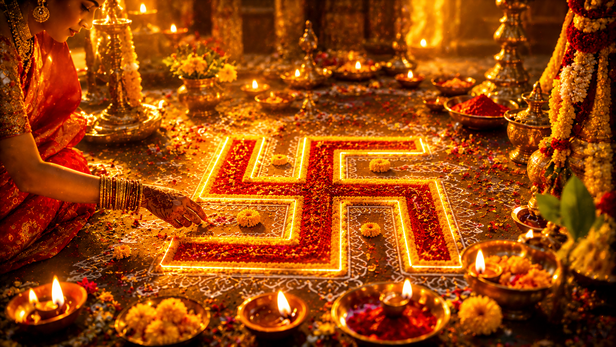
Whether it is a housewarming ceremony, a wedding, a new business venture, or a major festival, the Swastik is often one of the first symbols drawn. Many Hindu families believe it creates an atmosphere of positivity before beginning something important. The act itself is symbolic. It reflects the desire to start a journey with blessings, protection, and faith. Rather than being a superstition, it serves as a reminder to approach new beginnings with optimism and gratitude. This tradition continues because it provides emotional comfort and spiritual confidence during life's important moments.
The Meaning Hidden in Its Four Arms
More Than a Mark on a Door
Why Young People Are Rediscovering It
The Spiritual Message That Still Matters
Why the Swastik Remains Timeless
Unlock insightful tips and inspiration on personal growth, productivity, and well-being. Stay motivated and updated with the latest at My Life XP.
Frequently Asked Questions (FAQs)
The Swastik is regarded as a sacred symbol of prosperity, peace, good fortune, protection, and divine blessings. It represents harmony between the physical and spiritual aspects of life.
2. Why is the Swastik drawn during Hindu rituals?
The symbol is traditionally drawn before pujas, festivals, weddings, and other auspicious occasions to invoke positive energy, blessings, and success for new beginnings.
3. What does the word "Swastik" mean?
The word comes from the Sanskrit term "Swasti," which means wellbeing, good fortune, prosperity, peace, and auspiciousness.
4. Why is the Swastik placed at the entrance of homes?
Many devotees believe that placing the Swastik at the entrance invites positivity, prosperity, and spiritual protection while creating a welcoming atmosphere.
5. What do the four arms of the Swastik symbolize?
According to various spiritual interpretations, the four arms represent the four Vedas, four directions, four stages of life, and the balance that governs the universe.