Who Was Yudhishthira’s Secret Wife and Why Did She Remain Hidden?
Noopur Kumari | Tue, 24 Feb 2026
Everyone knows that Yudhishthira was married to Draupadi, the queen shared by the five Pandavas. But very few people know that he had another wife Devika, a noble princess who lived quietly in the background of the epic. Why was she rarely mentioned? Why was she never seen beside him during exile or great events? This article uncovers the forgotten story of Devika her marriage, her son, her devotion, and the silent strength she carried in one of the greatest epics ever written.

Yudhishthira’s Hidden Wife
Image credit : ChatGPT(AI)
The Mahabharata is filled with powerful queens, warriors, vows, and dramatic moments. Yet, some characters remain almost invisible despite their importance. One such figure is Devika, the second wife of Yudhishthira. While Draupadi’s life was full of fire and destiny, Devika’s life was calm and quiet.
She was a princess, a mother, and a devoted wife. Still, history speaks little about her. Was she forgotten? Or was her silence her strength? Let us explore her hidden story with respect, clarity, and devotion.
Devika : The Princess of
![Royal Princess Devika of Sivi]()
Devika was the daughter of King Govasena of the Sivi kingdom. She was born into royalty and raised with values of dharma and devotion. Her marriage to Yudhishthira was a political and royal alliance, common in ancient times. Unlike Draupadi’s swayamvara, Devika’s wedding was simple and peaceful. She entered Hastinapur quietly, without grand drama. Even though she became queen, she chose a life of dignity and modesty. Her nature was calm, and she respected the complex life of the Pandavas.
When the Pandavas were sent into 14 years of exile, Devika did not go with them. She stayed back with Kunti, Yudhishthira’s mother. This decision was practical and emotional. Draupadi, being shared among the brothers, had to accompany them. Devika, however, had responsibilities in the kingdom. Her staying back was not neglect it was sacrifice. She protected the royal household and maintained dignity during difficult times. Her silence during exile reflects patience and strength rather than absence.
![Devika with Her Son Yaudheya]()
Devika gave birth to a son named Yaudheya. Like his father, he was trained in warfare and dharma. Yaudheya participated in the Kurukshetra War, fighting bravely alongside his uncles and brothers. Sadly, like many young warriors of the epic, he did not survive. Devika carried the pain of losing her only son. Yet, the epic does not describe her grief in detail. Her sorrow remained unspoken, just like her life deep, dignified, and silent.
Some traditional beliefs describe Devika as an incarnation of Urmila and connect her spiritually with the divine energy of Yama. She is also remembered as a devoted follower of Krishna, living a life rooted in faith and discipline. Unlike Draupadi, whose journey was filled with dramatic trials, Devika symbolized quiet strength and acceptance of destiny. In the Mahabharata, particularly in the Adiparva, she is mentioned briefly yet respectfully. She is counted among the noble women of the epic, admired for her purity, patience, and unwavering commitment to dharma.
![Devika in Devotion to Krishna]()
In spiritual interpretation, Draupadi represents divine energy shared among five human qualities. Yudhishthira symbolized dharma, or righteousness. Her marriage to all five brothers reflected balance and unity. The reason she was not seen exclusively with Yudhishthira lies in this deeper symbolism. Their relationship was not about romance alone it was about duty, destiny, and maintaining cosmic balance. The epic teaches that sometimes relationships serve a higher spiritual purpose beyond personal attachment.
In the Mahabharata, Draupadi stands at the center of major events. Her swayamvara, her humiliation in the royal court, and her powerful vows became key reasons for the great war. Her life was intense, emotional, and filled with dramatic moments that shaped the destiny of kingdoms. In contrast, Devika lived a peaceful and dignified life in Indraprastha and Hastinapur. She maintained harmony within the royal family and respected the Pandavas. Since epics focus on conflict and action, her quiet strength stayed in the background, yet her role as a devoted wife and mother remained deeply meaningful and honorable.
Devika may not have stood in grand assemblies or followed the Pandavas into exile, yet her presence in the Mahabharata carries quiet depth. She was a devoted wife to Yudhishthira, a loving mother, and a woman of steady faith. Her life teaches that true strength does not always seek attention. Some courage is calm. Some devotion is silent. While history celebrates dramatic moments, Devika represents grace, patience, and sacrifice. In the vast ocean of the epic, her gentle dignity remains meaningful, reminding us that silent virtue can be as powerful as heroic action.
Unlock insightful tips and inspiration on personal growth, productivity, and well-being. Stay motivated and updated with the latest at My Life XP.
1. Who was Yudhishthira’s wife?
Yudhishthira’s wife was Draupadi. However, she was not only his wife. Due to a unique situation and their mother Kunti’s command, Draupadi became the shared wife of all five Pandavas.
2. Why did Draupadi marry all five Pandavas?
In the Mahabharata, when Arjuna won Draupadi, the brothers brought her home. Their mother unknowingly told them to share what they had brought. Respecting her words as sacred, they accepted it as destiny and married Draupadi together.
3. Why was Draupadi rarely seen only with Yudhishthira?
Draupadi followed a strict rotation system, spending equal time with each brother. Because of this arrangement, she was not constantly shown with Yudhishthira alone in the epic’s storytelling.
4. Did Draupadi love Yudhishthira?
Yes, Draupadi respected and honored Yudhishthira as the eldest Pandava and king. Their relationship was dignified and based on duty, though it was less emotionally dramatic compared to her bond with other brothers.
5. What does Draupadi’s marriage symbolize spiritually?
Spiritually, Draupadi’s marriage represents unity, balance, and destiny. Each Pandava symbolized different virtues, and her shared marriage reflected harmony among those qualities.
She was a princess, a mother, and a devoted wife. Still, history speaks little about her. Was she forgotten? Or was her silence her strength? Let us explore her hidden story with respect, clarity, and devotion.
Devika : The Princess of Sivi
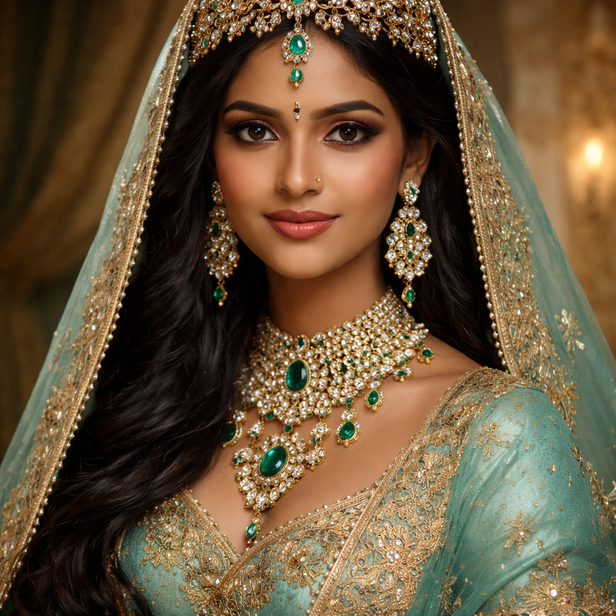
Royal Princess Devika of Sivi
Image credit : ChatGpt(ai)
Devika was the daughter of King Govasena of the Sivi kingdom. She was born into royalty and raised with values of dharma and devotion. Her marriage to Yudhishthira was a political and royal alliance, common in ancient times. Unlike Draupadi’s swayamvara, Devika’s wedding was simple and peaceful. She entered Hastinapur quietly, without grand drama. Even though she became queen, she chose a life of dignity and modesty. Her nature was calm, and she respected the complex life of the Pandavas.
Why Was She Never Seen During Exile?
The Mother of Yaudheya

Devika with Her Son Yaudheya
Image credit : ChatGpt(AI)
Devika gave birth to a son named Yaudheya. Like his father, he was trained in warfare and dharma. Yaudheya participated in the Kurukshetra War, fighting bravely alongside his uncles and brothers. Sadly, like many young warriors of the epic, he did not survive. Devika carried the pain of losing her only son. Yet, the epic does not describe her grief in detail. Her sorrow remained unspoken, just like her life deep, dignified, and silent.
Devika’s Spiritual Identity
The Spiritual Meaning Behind Their Marriage
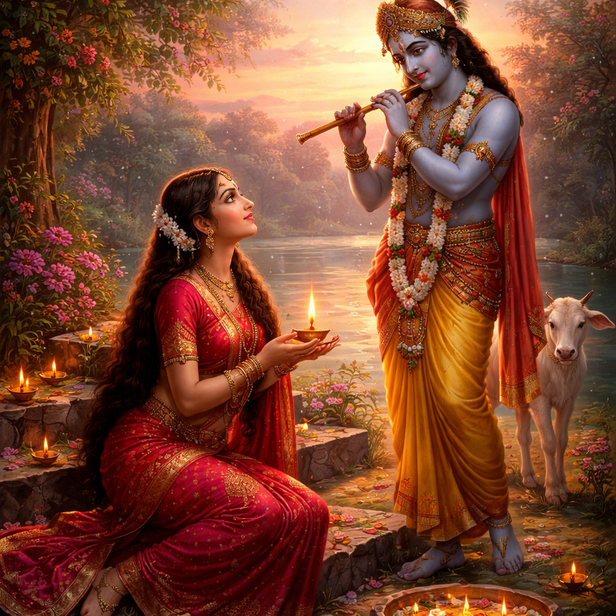
Devika in Devotion to Krishna
Image credit : ChatGpt(AI)
In spiritual interpretation, Draupadi represents divine energy shared among five human qualities. Yudhishthira symbolized dharma, or righteousness. Her marriage to all five brothers reflected balance and unity. The reason she was not seen exclusively with Yudhishthira lies in this deeper symbolism. Their relationship was not about romance alone it was about duty, destiny, and maintaining cosmic balance. The epic teaches that sometimes relationships serve a higher spiritual purpose beyond personal attachment.
Why History Focused on Draupadi
Devika in Devotion to Krishna
Unlock insightful tips and inspiration on personal growth, productivity, and well-being. Stay motivated and updated with the latest at My Life XP.
Frequently Asked Questions (FAQs)
Yudhishthira’s wife was Draupadi. However, she was not only his wife. Due to a unique situation and their mother Kunti’s command, Draupadi became the shared wife of all five Pandavas.
2. Why did Draupadi marry all five Pandavas?
In the Mahabharata, when Arjuna won Draupadi, the brothers brought her home. Their mother unknowingly told them to share what they had brought. Respecting her words as sacred, they accepted it as destiny and married Draupadi together.
3. Why was Draupadi rarely seen only with Yudhishthira?
Draupadi followed a strict rotation system, spending equal time with each brother. Because of this arrangement, she was not constantly shown with Yudhishthira alone in the epic’s storytelling.
4. Did Draupadi love Yudhishthira?
Yes, Draupadi respected and honored Yudhishthira as the eldest Pandava and king. Their relationship was dignified and based on duty, though it was less emotionally dramatic compared to her bond with other brothers.
5. What does Draupadi’s marriage symbolize spiritually?
Spiritually, Draupadi’s marriage represents unity, balance, and destiny. Each Pandava symbolized different virtues, and her shared marriage reflected harmony among those qualities.