Why This Temple Near Vaishno Devi Is So Famous for Its History?
Kashish Pandey | Jul 02, 2026, 17:00 IST
Most pilgrims visiting Vaishno Devi have heard of Baba Jitto, but few know the remarkable story behind his temple. Rooted in Dogra history, enriched by local tradition, and remembered through generations of devotees, Baba Jitto Mandir celebrates a man who stood against injustice long before the idea of farmers' rights became a political movement. Here's why this sacred place continues to inspire visitors from across India.

Every year, millions of devotees undertake the sacred journey to Mata Vaishno Devi, seeking blessings and spiritual peace. Yet, just a few kilometres away from the famous shrine stands another temple whose story is equally moving. Nestled in the quiet village of Aghar, Baba Jitto Mandir is dedicated not to a king or warrior, but to a humble farmer whose unwavering faith and extraordinary sacrifice made him a symbol of justice. His story has survived for centuries, making this temple one of Jammu's most meaningful yet lesser-known historical and spiritual landmarks.
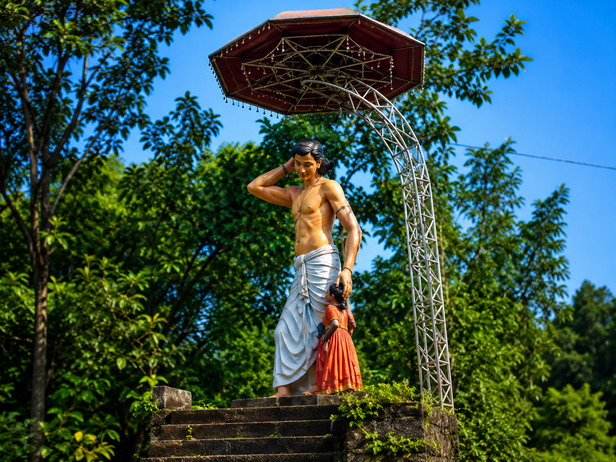
Around seven kilometres from Katra, on the road leading to Reasi, lies the peaceful village of Aghar Jitto. While thousands pass this route every day on their way to Mata Vaishno Devi, many don't realize they are crossing one of Jammu's most historically significant villages. This is the birthplace of Baba Jitto, also known as Jit Mal, one of the most respected folk heroes in Dogra history. A magnificent statue of Baba Jitto welcomes devotees, while nearby stands the shrine of Bua Kori, his beloved daughter. Together, these sacred places preserve a story that blends history, devotion, and local tradition. Unlike many temples dedicated to kings or saints, Baba Jitto Mandir honours an ordinary farmer whose courage transformed him into a legend.
![Baba jitto aghar]()
According to Dogra tradition, Baba Jitto was born as Jit Mal into a poor Brahmin family in Aghar village. His father was Roop Chand, while his mother Jojan was known for her deep devotion to Mata Vaishno Devi. Local legends say the couple remained childless for many years. It is believed that Jojan prayed tirelessly to Lord Shiva and Mata Vaishno Devi, asking only for the blessing of a son. According to tradition, her prayers were answered with the birth of Jit Mal. Villagers soon began to see him as a child blessed with extraordinary devotion.
Folk traditions also narrate that after facing difficulties within his extended family, the young Jit Mal left home and spent time in meditation near the holy shrine of Mata Vaishno Devi. Devotees believe the Goddess appeared before him and granted him a blessing—that whenever he remembered her in difficult times, she would guide and protect him. These stories remain an important part of Baba Jitto's spiritual legacy.
![Farmer]()
While Baba Jitto is remembered as a great devotee of Mata Vaishno Devi, historians and cultural scholars also regard him as one of the earliest symbols of farmers' rights in the Dogra region. During the fifteenth century, much of Jammu was governed under a feudal system where landlords controlled agricultural land and cultivators often had little protection against exploitation. Baba Jitto was one such farmer. According to historical tradition, he accepted a barren piece of land from a local landlord under an agreement that the harvest would be shared fairly. Through months of relentless hard work, he transformed the infertile land into fertile fields overflowing with grain.But when the harvest was ready, the landlord allegedly broke his promise and demanded a much larger share than agreed.
For Baba Jitto, this wasn't simply about grain.
It was about dignity.
It was about honesty.
And it was about the right of every farmer to enjoy the fruits of his own labour. Rather than surrender to injustice, Baba Jitto chose martyrdom. His sacrifice became one of the most powerful moral protests against feudal oppression in the history of Jammu. Centuries before the language of land reforms existed, Baba Jitto had already embodied the ideals of justice, equality and the rights of cultivators.
More Than a Legend A Symbol of Agrarian Justice
Baba Jitto held no political office. He commanded no army. He possessed neither wealth nor institutional power. He was simply an ordinary farmer who believed that honesty should never be defeated by greed. Many historians consider his sacrifice one of the earliest moral assertions of agrarian justice in northern India.
His life represented values that would later become central to modern land reform movements the belief that those who till the land deserve the fruits of their labour. For countless farmers, Baba Jitto became more than a religious figure. He became a symbol of courage against exploitation. His story continues to inspire not because he fought with weapons, but because he stood firmly for truth even when it cost him his life.
![Devotees]()
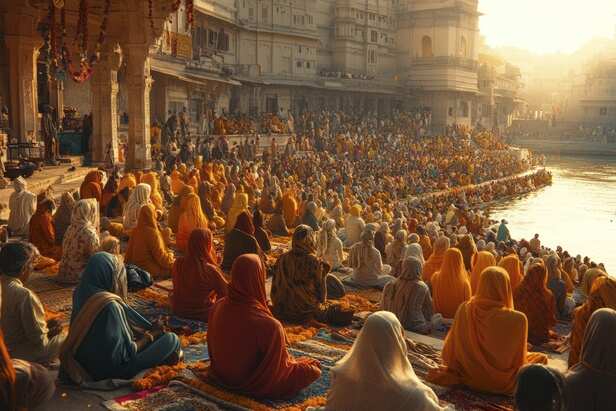
Today, Baba Jitto Mandir is much more than a religious destination. Some visitors come because of their devotion to Mata Vaishno Devi. Others arrive to learn about one of Jammu's greatest folk heroes. Many simply wish to experience the peaceful surroundings where history and faith come together.
The temple complex houses Baba Jitto's impressive statue alongside the shrine of Bua Kori, whose story is also deeply respected in local tradition. Pilgrims often spend time reflecting on Baba Jitto's life before continuing their journey to Vaishno Devi. For many, the visit becomes a reminder that true greatness isn't measured by power or wealth but by courage, integrity and unwavering faith.
Baba Jitto Mandir is far more than a stop on the road to Vaishno Devi. It preserves the memory of a humble farmer whose life became a timeless lesson in faith, honesty and justice. Whether you visit for its spiritual significance, its fascinating history or its connection to Dogra heritage, the temple leaves behind a powerful message: even an ordinary person can change history by standing firm for what is right. Centuries later, Baba Jitto's legacy continues to inspire devotees, historians and travellers alike, proving that courage and truth never fade with time.
Unlock insightful tips and inspiration on personal growth, productivity, and well-being. Stay motivated and updated with the latest at My Life XP.
A Hidden Temple That Tells a Forgotten Story
Around seven kilometres from Katra, on the road leading to Reasi, lies the peaceful village of Aghar Jitto. While thousands pass this route every day on their way to Mata Vaishno Devi, many don't realize they are crossing one of Jammu's most historically significant villages. This is the birthplace of Baba Jitto, also known as Jit Mal, one of the most respected folk heroes in Dogra history. A magnificent statue of Baba Jitto welcomes devotees, while nearby stands the shrine of Bua Kori, his beloved daughter. Together, these sacred places preserve a story that blends history, devotion, and local tradition. Unlike many temples dedicated to kings or saints, Baba Jitto Mandir honours an ordinary farmer whose courage transformed him into a legend.
The Boy Whose Life Began With Faith
Baba jitto aghar
According to Dogra tradition, Baba Jitto was born as Jit Mal into a poor Brahmin family in Aghar village. His father was Roop Chand, while his mother Jojan was known for her deep devotion to Mata Vaishno Devi. Local legends say the couple remained childless for many years. It is believed that Jojan prayed tirelessly to Lord Shiva and Mata Vaishno Devi, asking only for the blessing of a son. According to tradition, her prayers were answered with the birth of Jit Mal. Villagers soon began to see him as a child blessed with extraordinary devotion.
Folk traditions also narrate that after facing difficulties within his extended family, the young Jit Mal left home and spent time in meditation near the holy shrine of Mata Vaishno Devi. Devotees believe the Goddess appeared before him and granted him a blessing—that whenever he remembered her in difficult times, she would guide and protect him. These stories remain an important part of Baba Jitto's spiritual legacy.
The Farmer Who Changed History

Farmer
While Baba Jitto is remembered as a great devotee of Mata Vaishno Devi, historians and cultural scholars also regard him as one of the earliest symbols of farmers' rights in the Dogra region. During the fifteenth century, much of Jammu was governed under a feudal system where landlords controlled agricultural land and cultivators often had little protection against exploitation. Baba Jitto was one such farmer. According to historical tradition, he accepted a barren piece of land from a local landlord under an agreement that the harvest would be shared fairly. Through months of relentless hard work, he transformed the infertile land into fertile fields overflowing with grain.But when the harvest was ready, the landlord allegedly broke his promise and demanded a much larger share than agreed.
For Baba Jitto, this wasn't simply about grain.
It was about dignity.
It was about honesty.
And it was about the right of every farmer to enjoy the fruits of his own labour. Rather than surrender to injustice, Baba Jitto chose martyrdom. His sacrifice became one of the most powerful moral protests against feudal oppression in the history of Jammu. Centuries before the language of land reforms existed, Baba Jitto had already embodied the ideals of justice, equality and the rights of cultivators.
More Than a Legend A Symbol of Agrarian Justice
Baba Jitto held no political office. He commanded no army. He possessed neither wealth nor institutional power. He was simply an ordinary farmer who believed that honesty should never be defeated by greed. Many historians consider his sacrifice one of the earliest moral assertions of agrarian justice in northern India.
His life represented values that would later become central to modern land reform movements the belief that those who till the land deserve the fruits of their labour. For countless farmers, Baba Jitto became more than a religious figure. He became a symbol of courage against exploitation. His story continues to inspire not because he fought with weapons, but because he stood firmly for truth even when it cost him his life.
Why Thousands Still Visit Baba Jitto Mandir
Devotees
Today, Baba Jitto Mandir is much more than a religious destination. Some visitors come because of their devotion to Mata Vaishno Devi. Others arrive to learn about one of Jammu's greatest folk heroes. Many simply wish to experience the peaceful surroundings where history and faith come together.
The temple complex houses Baba Jitto's impressive statue alongside the shrine of Bua Kori, whose story is also deeply respected in local tradition. Pilgrims often spend time reflecting on Baba Jitto's life before continuing their journey to Vaishno Devi. For many, the visit becomes a reminder that true greatness isn't measured by power or wealth but by courage, integrity and unwavering faith.
Baba Jitto Mandir is far more than a stop on the road to Vaishno Devi. It preserves the memory of a humble farmer whose life became a timeless lesson in faith, honesty and justice. Whether you visit for its spiritual significance, its fascinating history or its connection to Dogra heritage, the temple leaves behind a powerful message: even an ordinary person can change history by standing firm for what is right. Centuries later, Baba Jitto's legacy continues to inspire devotees, historians and travellers alike, proving that courage and truth never fade with time.
Unlock insightful tips and inspiration on personal growth, productivity, and well-being. Stay motivated and updated with the latest at My Life XP.