Why Bhishma Watched Everything Collapse Without Interfering
Noopur Kumari | Thu, 07 May 2026
At first, it feels like a contradiction a man of wisdom choosing silence, a warrior of power choosing inaction. But the truth is far more complex. Bhishma wasn’t powerless; he was bound. Not by chains, but by his vows, his duty, and his deep understanding of dharma. That’s where the real conflict begins. The shocking part? Knowing what’s right doesn’t always mean you’re free to act on it. Sometimes, responsibility limits action. And in that struggle between duty and truth, his story stops being divine and starts feeling deeply human.

He saw it coming the conflict, the injustice, the destruction. And yet he stayed silent. Bhishma was not weak, and he was not unaware. In fact, he understood everything more clearly than most. He knew where every decision would lead, and what the consequences would be. So why didn’t he stop it? Why did one of the wisest warriors in the Mahabharata watch everything fall apart without stepping in? The answer isn’t simple. It lies in the weight of his vows, his duty to the throne, and a deeper struggle between what is right and what one is bound to do.
![Bhishma’s Terrible Vow]()
Bhishma took a vow that changed everything lifelong celibacy and unwavering loyalty to the throne of Hastinapura. This wasn’t just a promise; it became his identity. Every decision he made was filtered through this vow. Even when he saw injustice, breaking his vow meant breaking his very purpose. This is where the conflict begins. His strength became his limitation. The same vow that made him महान also trapped him in silence when action was needed the most.
![Conflict of Dharma]()
Dharma isn’t always simple. For Bhishma, it wasn’t about choosing right over wrong it was about choosing between two rights. Protecting the throne was his duty. Protecting justice was also his duty. But when these collided, he faced an impossible choice. Acting against the throne meant betrayal. Staying silent meant allowing injustice. This inner conflict is what makes his story powerful. Sometimes, the hardest decisions are not about good and bad but about choosing which responsibility to sacrifice.
During the disrobing of Draupadi, the entire court witnessed injustice. Bhishma was present. He understood the wrong. Yet, he did not intervene. Why? Because the situation was tangled in legal, moral, and royal complexities. Was Draupadi won fairly? Was the act justified under royal rules? While others acted out of ego, Bhishma was trapped in analysis. And sometimes, overthinking delays action. That moment became the turning point where silence spoke louder than any action ever could.
Bhishma had wisdom, but not complete freedom. His life was built on discipline, loyalty, and sacrifice. These values made him महान but also restricted him. He knew the consequences of the war. He knew destruction was inevitable. Yet, his role was not to stop it, but to witness and uphold his duty. This is the harsh reality sometimes wisdom doesn’t give you power to change things. It only makes you more aware of what’s coming.
The silence of Bhishma is not weakness it’s a lesson. It shows what happens when duty is followed without questioning. It reminds us that values, when taken to extremes, can become limitations. His story asks a difficult question when should you follow rules, and when should you rise above them? Because sometimes, doing nothing is also a choice. And that choice can shape history.
Unlock insightful tips and inspiration on personal growth, productivity, and well-being. Stay motivated and updated with the latest at My Life XP.
1. Why did Bhishma not stop the Mahabharata war?
Bhishma was bound by his vow of loyalty to the throne of Hastinapura. Even though he knew the consequences, he chose duty over personal intervention.
2. Was Bhishma powerless during the events?
No. Bhishma was extremely powerful and respected. But his decisions were restricted by his vows and sense of dharma, not by lack of strength.
3. Did Bhishma support injustice?
He did not support injustice, but he remained silent due to conflicting duties. This silence is one of the most debated moral dilemmas in the Mahabharata.
4. Could Bhishma have changed the outcome?
Physically, yes. But morally and spiritually, he believed breaking his vow would itself be adharma, creating an even deeper conflict.
5. What does Bhishma’s silence teach us?
His story shows that sometimes duty, vows, and responsibility can trap even the wisest individuals, making action far more complicated than it appears.
6. Why is Bhishma considered a tragic figure?
Because he had wisdom and power, yet lacked the freedom to act on what he knew was right.
The Vow That Defined His Fate
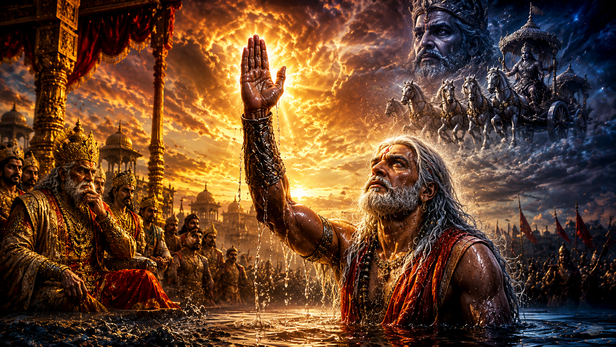
Bhishma’s Terrible Vow
Image credit : ChatGPT (ai)
Bhishma took a vow that changed everything lifelong celibacy and unwavering loyalty to the throne of Hastinapura. This wasn’t just a promise; it became his identity. Every decision he made was filtered through this vow. Even when he saw injustice, breaking his vow meant breaking his very purpose. This is where the conflict begins. His strength became his limitation. The same vow that made him महान also trapped him in silence when action was needed the most.
When Dharma Becomes a Dilemma
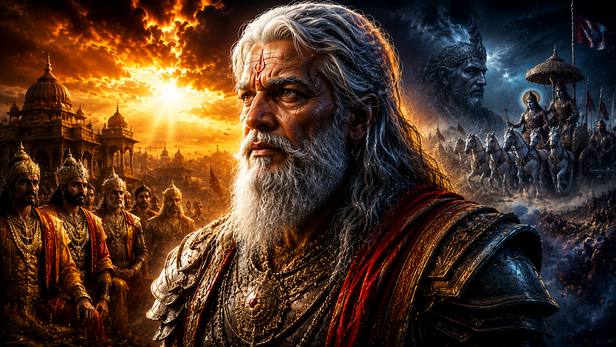
Conflict of Dharma
Image credit : chatgpt(ai)
Dharma isn’t always simple. For Bhishma, it wasn’t about choosing right over wrong it was about choosing between two rights. Protecting the throne was his duty. Protecting justice was also his duty. But when these collided, he faced an impossible choice. Acting against the throne meant betrayal. Staying silent meant allowing injustice. This inner conflict is what makes his story powerful. Sometimes, the hardest decisions are not about good and bad but about choosing which responsibility to sacrifice.
The Moment That Changed Everything
Wisdom Without Freedom
The Lesson Hidden in His Silence
Unlock insightful tips and inspiration on personal growth, productivity, and well-being. Stay motivated and updated with the latest at My Life XP.
Frequently Asked Questions (FAQs)
Bhishma was bound by his vow of loyalty to the throne of Hastinapura. Even though he knew the consequences, he chose duty over personal intervention.
2. Was Bhishma powerless during the events?
No. Bhishma was extremely powerful and respected. But his decisions were restricted by his vows and sense of dharma, not by lack of strength.
3. Did Bhishma support injustice?
He did not support injustice, but he remained silent due to conflicting duties. This silence is one of the most debated moral dilemmas in the Mahabharata.
4. Could Bhishma have changed the outcome?
Physically, yes. But morally and spiritually, he believed breaking his vow would itself be adharma, creating an even deeper conflict.
5. What does Bhishma’s silence teach us?
His story shows that sometimes duty, vows, and responsibility can trap even the wisest individuals, making action far more complicated than it appears.
6. Why is Bhishma considered a tragic figure?
Because he had wisdom and power, yet lacked the freedom to act on what he knew was right.