Why Devotees of Hanuman Rarely Feel Lonely
Noopur Kumari | Thu, 19 Feb 2026
Devotion to Hanuman builds emotional strength, faith, and constant spiritual awareness. Through prayer, chanting, and surrender, devotees feel guided and supported. Mythology, experience, and spiritual practice combine to create a sense of divine companionship. This faith reduces fear, anxiety, and loneliness. Hanuman represents unwavering loyalty and protection. When devotees remember him, they feel mentally stronger and spiritually secure. The bond becomes personal and intimate. That connection transforms solitude into strength and silence into peace.

Hanuman
Image credit : ChatGPT(AI)
In today’s fast moving world, loneliness has become one of the deepest silent struggles. Many search for connection, strength, and emotional safety. Yet devotees of Hanuman often say they rarely feel alone. Why is this so powerful and consistent? Across centuries, scriptures like the Ramayana describe Hanuman as the symbol of courage, loyalty, and eternal devotion. His presence in the heart of a devotee creates a feeling of protection and companionship that goes beyond physical reality. This article explores the spiritual, psychological, and mythological reasons why Hanuman bhakts experience deep inner connection instead of isolation.
![Hanuman Blessing a Devotee in Prayer]()
Many devotees believe that Hanuman lives wherever the name of Rama is chanted with faith. Daily recitation of the Hanuman Chalisa creates a deep sense of divine presence and emotional security. Spiritual teachers explain that consistent prayer strengthens mental resilience and reduces anxiety. Devotees often share personal experiences of courage and calm during difficult times. This practice builds trust, confidence, and inner stability. Faith becomes a source of psychological support and spiritual companionship. Through regular remembrance, many feel protected, guided, and never truly alone.
![Hanuman Carrying the Sanjeevani Mountain]()
Hanuman represents courage, devotion, and fearless service. In the sacred Ramayana, he crosses the ocean to Lanka, defeats powerful demons, and carries the Sanjeevani mountain to save Lakshmana. These stories are not just mythology. They are spiritual lessons in strength and faith. Devotees remember his bravery during difficult times. This remembrance builds resilience and emotional stability. Faith in Hanuman creates confidence and removes fear. Spiritual connection replaces helplessness with inner power. When believers trust his protection, loneliness fades and hope grows stronger in the heart.
![Devotee Praying to Hanuman with Deep Faith]()
Bhakti builds a deeply personal bond with Hanuman, where devotees speak to him as a trusted friend, fearless protector, and divine guide. This sacred connection offers real emotional comfort. Spiritual experts and psychologists agree that prayer and chanting calm the nervous system and reduce stress hormones like cortisol. Reciting the Hanuman Chalisa daily creates focus, stability, and inner strength. Devotees often share lived experiences of feeling protected and heard during difficult times. This blend of faith, tradition, and mindful chanting builds emotional safety, reducing loneliness and nurturing lasting spiritual confidence.
Hanuman temples create powerful spaces of connection and belonging. At a Hanuman temple, collective chanting of the Hanuman Chalisa, Tuesday prayers, and vibrant festivals unite devotees in shared faith. Spiritual experts note that group worship strengthens emotional resilience and reduces feelings of isolation. When people gather with common values, trust and social bonding grow naturally. This sense of unity supports mental wellbeing and builds lasting relationships. Devotees feel protected and guided, which fosters confidence and inner peace. Community devotion transforms loneliness into strength and creates a deeply supportive spiritual family.
Hanuman’s devotion to Rama symbolizes unconditional loyalty. He never leaves his Lord. Devotees believe he never leaves them either. This idea builds trust in divine companionship. This symbolism creates emotional reassurance. Loyalty means presence without condition. When devotees surrender their fears to Hanuman, they feel spiritually embraced. The belief that someone divine stands beside them transforms solitude into sacred space. Over time, faith becomes inner company. Loneliness fades because the heart feels protected, guided, and deeply connected.
Devotees of Hanuman rarely feel lonely because their faith creates strength, protection, and belonging. Mythology offers inspiration. Spiritual practice offers emotional balance. Community offers connection. Together, these elements build a powerful shield against isolation. In a world searching for connection, Hanuman devotion teaches that true companionship begins within. Faith transforms silence into strength and solitude into spiritual presence. When the heart remembers Hanuman, it remembers courage, loyalty, and divine friendship.
Unlock insightful tips and inspiration on personal growth, productivity, and well-being. Stay motivated and updated with the latest at My Life XP.
1. Why do Hanuman devotees feel less lonely?
Devotees of Hanuman believe he is always present to guide and protect them. This strong spiritual connection creates emotional security and inner strength, which naturally reduces feelings of loneliness.
2. Does chanting the Hanuman Chalisa help emotionally?
Yes. Reciting the Hanuman Chalisa can calm the mind, lower stress, and increase focus. Many devotees report feeling peaceful and supported after daily chanting.
3. Why are Tuesdays important for Hanuman worship?
Tuesday is traditionally considered an auspicious day dedicated to Hanuman. Special prayers and temple visits on this day strengthen devotion and community bonding.
4. How does temple worship reduce isolation?
Temple gatherings create shared faith experiences. Devotees meet others with similar beliefs, which builds belonging and meaningful social connections.
5. Is there a psychological benefit to devotion?
Spiritual practices such as prayer and chanting promote emotional stability, resilience, and hope, contributing to improved mental wellbeing
Constant Divine Presence
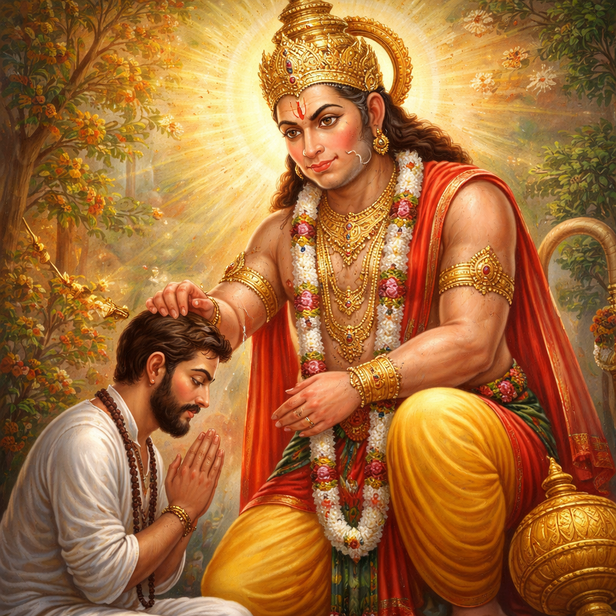
Hanuman Blessing a Devotee in Prayer
Image credit : CHATGPT(AI)
Many devotees believe that Hanuman lives wherever the name of Rama is chanted with faith. Daily recitation of the Hanuman Chalisa creates a deep sense of divine presence and emotional security. Spiritual teachers explain that consistent prayer strengthens mental resilience and reduces anxiety. Devotees often share personal experiences of courage and calm during difficult times. This practice builds trust, confidence, and inner stability. Faith becomes a source of psychological support and spiritual companionship. Through regular remembrance, many feel protected, guided, and never truly alone.
Strength in Difficult Times
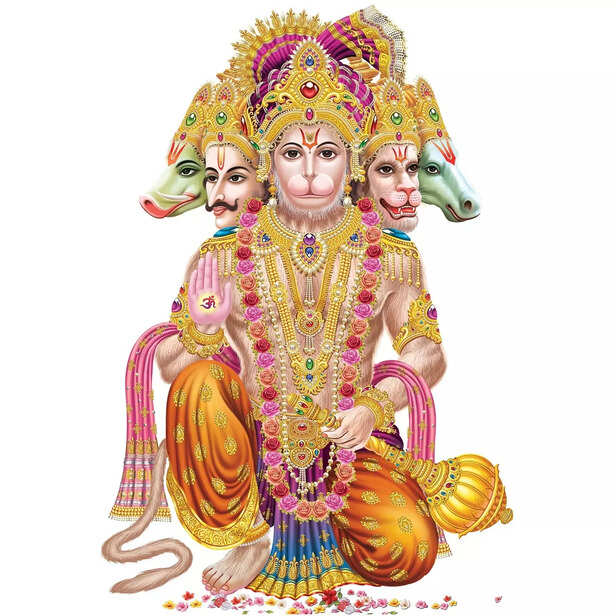
Hanuman Carrying the Sanjeevani Mountain
Image credit : Pixabay
Hanuman represents courage, devotion, and fearless service. In the sacred Ramayana, he crosses the ocean to Lanka, defeats powerful demons, and carries the Sanjeevani mountain to save Lakshmana. These stories are not just mythology. They are spiritual lessons in strength and faith. Devotees remember his bravery during difficult times. This remembrance builds resilience and emotional stability. Faith in Hanuman creates confidence and removes fear. Spiritual connection replaces helplessness with inner power. When believers trust his protection, loneliness fades and hope grows stronger in the heart.
Emotional Safety Through Bhakti
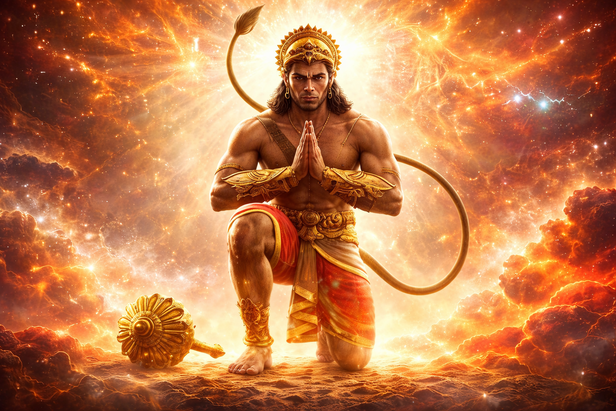
Devotee Praying to Hanuman with Deep Faith
Image credit : ChatGPT(AI)
Bhakti builds a deeply personal bond with Hanuman, where devotees speak to him as a trusted friend, fearless protector, and divine guide. This sacred connection offers real emotional comfort. Spiritual experts and psychologists agree that prayer and chanting calm the nervous system and reduce stress hormones like cortisol. Reciting the Hanuman Chalisa daily creates focus, stability, and inner strength. Devotees often share lived experiences of feeling protected and heard during difficult times. This blend of faith, tradition, and mindful chanting builds emotional safety, reducing loneliness and nurturing lasting spiritual confidence.
Community and Shared Faith
Symbol of Eternal Loyalty
Hanuman Watching Over His Devotee
Unlock insightful tips and inspiration on personal growth, productivity, and well-being. Stay motivated and updated with the latest at My Life XP.
Frequently Asked Questions (FAQs)
Devotees of Hanuman believe he is always present to guide and protect them. This strong spiritual connection creates emotional security and inner strength, which naturally reduces feelings of loneliness.
2. Does chanting the Hanuman Chalisa help emotionally?
Yes. Reciting the Hanuman Chalisa can calm the mind, lower stress, and increase focus. Many devotees report feeling peaceful and supported after daily chanting.
3. Why are Tuesdays important for Hanuman worship?
Tuesday is traditionally considered an auspicious day dedicated to Hanuman. Special prayers and temple visits on this day strengthen devotion and community bonding.
4. How does temple worship reduce isolation?
Temple gatherings create shared faith experiences. Devotees meet others with similar beliefs, which builds belonging and meaningful social connections.
5. Is there a psychological benefit to devotion?
Spiritual practices such as prayer and chanting promote emotional stability, resilience, and hope, contributing to improved mental wellbeing