Why Do Thousands Marry for One Night and Break Their Mangalsutra?
Noopur Kumari | Tue, 17 Mar 2026
The festival commemorates Aravan, the son of Arjuna, who volunteered to be sacrificed to ensure the Pandavas’ victory in the Kurukshetra war. But Aravan had one last wish to experience marriage before his death. No woman wanted to marry a man whose death was certain the next morning. Seeing this, Lord Krishna transformed into Mohini, married Aravan for a night, and mourned deeply when he was sacrificed. Today, devotees reenact this story, dressing as brides and breaking their mangalsutras, symbolizing devotion, love, and the pain of loss.

The One-Night Marriage
Image credit : ChatGPT (AI)
Imagine a festival where thousands of men dress as brides for a single night, only to break their mangalsutras the next morning. It sounds impossible but in Tamil Nadu’s famous Koovagam Festival, this ancient ritual is celebrated every year. The origin of this extraordinary tradition lies deep within the Mahabharata, in a story of sacrifice, devotion, and divine compassion. The tale of Aravan, Krishna, and Mohini is not just mythology it reveals human emotions, love, and the ultimate act of courage. Here’s the astonishing story behind one of India’s most unusual festivals.
![Aravan’s Sacrifice]()
Aravan’s story is one of ultimate sacrifice and human longing. To secure the Pandavas’ victory in Kurukshetra, a supreme offering to Goddess Kali was demanded a life willingly given. Aravan, knowing he would die at sunrise, stepped forward without hesitation. Yet, even in the shadow of death, he had one simple wish: to experience the joy of marriage. This desire, deeply human, highlights that heroism and vulnerability can coexist. Aravan’s story blends duty, courage, and selflessness, showing how even the greatest sacrifices carry personal emotions, making his legend timeless, inspiring, and profoundly moving.
![Krishna as Mohini]()
No mortal woman was willing to marry Aravan, knowing his life would end at sunrise. Witnessing his heartbreak, Lord Krishna took the form of the captivating Mohini and married him for a single night. This extraordinary union was more than a ritual it symbolized divine compassion, empathy, and the fulfillment of a deeply human desire amid inevitable tragedy. The one-night marriage highlights the delicate balance between duty and love, showing that even in the face of sacrifice, the divine can honor emotions and longing. This legend continues to inspire devotees with its profound blend of devotion, humanity, and grace.
Every year in Tamil Nadu, the Koovagam Festival brings Aravan’s story to life in a remarkable display of devotion and tradition. Thousands of men dress as brides for a single night, symbolically celebrating Aravan’s marriage to Mohini. At sunrise, they break their mangalsutras, reenacting the sorrow and sacrifice tied to the legend. This powerful ritual is not just a festival it is a living tribute to love, duty, and selflessness. Drawing devotees and spectators from across India, Koovagam combines emotion, culture, and spirituality, reminding everyone of the profound lessons hidden within Aravan’s one-night marriage and ultimate sacrifice.
Breaking the mangalsutra the next morning is not mere ritual. It symbolizes mourning, impermanence, and devotion. Participants experience the emotions Aravan and Mohini felt love, joy, loss, and grief. It is a living reminder that sacrifice often comes with deep personal cost, and devotion requires empathy and courage. The act creates a spiritual connection between the devotees and the divine story they honor.
The Koovagam Festival goes beyond rituals, offering profound life lessons. Aravan’s courage and selflessness remind us to honor our duties even in the face of inevitable hardship. Mohini’s compassion demonstrates the transformative power of empathy and divine grace. By participating in the festival, devotees don’t just witness history they live it, forming a personal connection with mythology, spirituality, and human emotion. The act of dressing as brides, celebrating love, and mourning sacrifice allows participants to internalize these timeless values. This festival beautifully bridges ancient legend and modern experience, leaving a lasting impression of devotion, courage, and humanity on all who take part.
The one-night marriage of Aravan and Mohini is more than a festival it is a living story of love, sacrifice, and divine compassion. Thousands of devotees dress as brides, reenacting the legend with devotion and emotion. This remarkable tradition reminds us that true devotion transcends fear, mortality, and societal expectations. By participating or understanding it, we reconnect with values of empathy, courage, and selflessness embedded in our cultural heritage. Aravan’s story is timeless proof that even in tragedy, love, duty, and divine grace shine brightly.
Unlock insightful tips and inspiration on personal growth, productivity, and well-being. Stay motivated and updated with the latest at My Life XP.
1. Who was Aravan?
Aravan was the son of Arjuna, who volunteered for a sacrifice to ensure the Pandavas’ victory in the Mahabharata war.
2. Why did Krishna marry Aravan as Mohini?
No mortal woman would marry a man whose death was imminent. Krishna took the form of Mohini to fulfill Aravan’s last wish.
3. What is the Koovagam Festival?
A festival in Tamil Nadu where thousands of men dress as brides for one night and break their mangalsutras the next morning, reenacting Aravan’s story.
4. What does breaking the mangalsutra symbolize?
It represents mourning, devotion, and the impermanence of life, honoring Aravan’s sacrifice.
5. When is the Koovagam Festival celebrated?
It is celebrated every year during the Chaitra month of the Tamil calendar, coinciding with the legend of Aravan.
The Ultimate Sacrifice of Aravan
Aravan’s Sacrifice
Image credit : CHATGPT(AI)
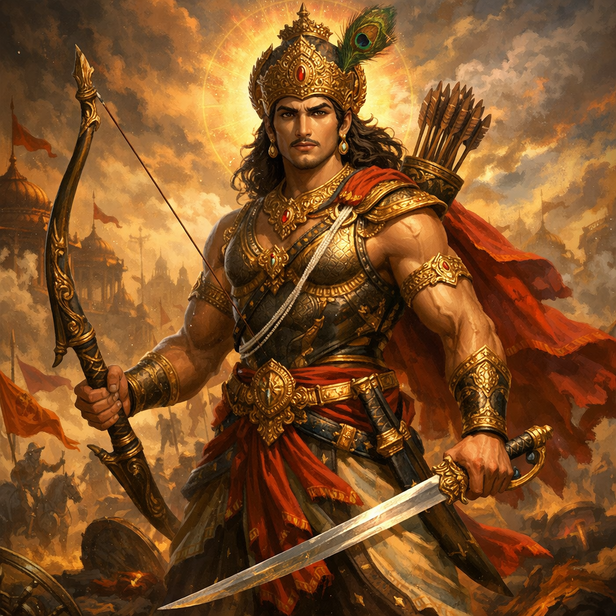
Aravan’s story is one of ultimate sacrifice and human longing. To secure the Pandavas’ victory in Kurukshetra, a supreme offering to Goddess Kali was demanded a life willingly given. Aravan, knowing he would die at sunrise, stepped forward without hesitation. Yet, even in the shadow of death, he had one simple wish: to experience the joy of marriage. This desire, deeply human, highlights that heroism and vulnerability can coexist. Aravan’s story blends duty, courage, and selflessness, showing how even the greatest sacrifices carry personal emotions, making his legend timeless, inspiring, and profoundly moving.
Krishna Becomes Mohini
Krishna as Mohini
Image credit : CHATGPT(AI)
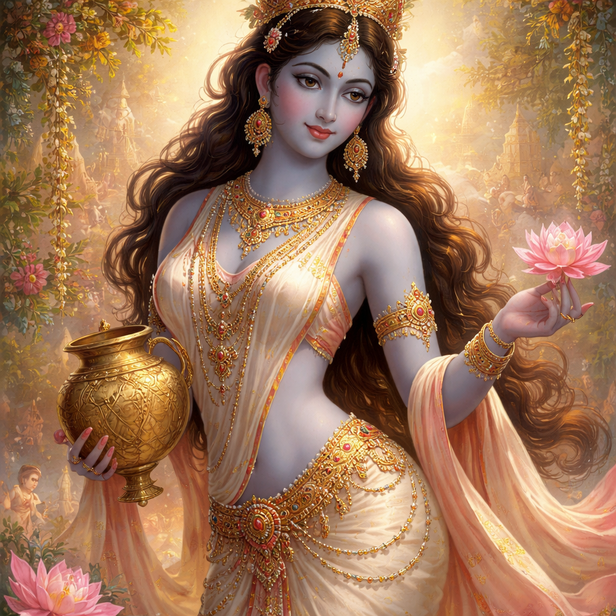
No mortal woman was willing to marry Aravan, knowing his life would end at sunrise. Witnessing his heartbreak, Lord Krishna took the form of the captivating Mohini and married him for a single night. This extraordinary union was more than a ritual it symbolized divine compassion, empathy, and the fulfillment of a deeply human desire amid inevitable tragedy. The one-night marriage highlights the delicate balance between duty and love, showing that even in the face of sacrifice, the divine can honor emotions and longing. This legend continues to inspire devotees with its profound blend of devotion, humanity, and grace.
The Festival of Koovagam
The Symbolism Behind Breaking the Mangalsutra
Lessons from the One-Night Marriage
Devotees embody the legend
Unlock insightful tips and inspiration on personal growth, productivity, and well-being. Stay motivated and updated with the latest at My Life XP.
Frequently Asked Questions (FAQs)
Aravan was the son of Arjuna, who volunteered for a sacrifice to ensure the Pandavas’ victory in the Mahabharata war.
2. Why did Krishna marry Aravan as Mohini?
No mortal woman would marry a man whose death was imminent. Krishna took the form of Mohini to fulfill Aravan’s last wish.
3. What is the Koovagam Festival?
A festival in Tamil Nadu where thousands of men dress as brides for one night and break their mangalsutras the next morning, reenacting Aravan’s story.
4. What does breaking the mangalsutra symbolize?
It represents mourning, devotion, and the impermanence of life, honoring Aravan’s sacrifice.
5. When is the Koovagam Festival celebrated?
It is celebrated every year during the Chaitra month of the Tamil calendar, coinciding with the legend of Aravan.