Why Even Ravana Could Not Control His Own Mind
Payal Tandon | Mon, 27 Apr 2026
Ravana is often remembered as a powerful king, a scholar, and a devotee. Yet his downfall came not from lack of strength but from lack of control over his own mind. This article explores the deeper psychological and spiritual reasons behind Ravana’s failure, and what his story teaches us about ego, desire, and emotional discipline in modern life.

Ravana (Image Credit:Chatgpt Ai)
When we hear the story of Ravana, most people think of him as the villain of the Ramayana. But if you look closely, Ravana was far more complex than just a negative character. He was intelligent, knowledgeable, and deeply devoted to Lord Shiva. He ruled a powerful kingdom and had mastery over many forms of knowledge.
So the question becomes deeper and more uncomfortable. If someone like Ravana had everything, why did he still fail?
The answer lies not outside but inside. Ravana’s greatest weakness was his inability to control his own mind. His story is not just mythology. It is a mirror. It reflects the same struggles we face today with anger, desire, ego, and emotional imbalance.
Understanding Ravana is not about judging him. It is about learning from him.
Ravana was not ignorant. In fact, he was one of the most learned beings of his time. He knew the difference between right and wrong. He understood dharma. Yet he chose to ignore it.
This shows an important truth. Knowledge alone does not guarantee wise decisions.
Many people today also know what is right. They know that anger can harm relationships, that ego can create distance, and that wrong choices have consequences. Yet in the moment, emotions take over.
Ravana’s mind was powerful, but it was not disciplined. His thoughts were driven by desire and pride. When he saw Sita, his desire overpowered his wisdom.
This is something we all experience in smaller ways. We know what we should do, but we still act differently. This gap between knowledge and action is where self control matters.
![Ego Issues (Image Credit:Chatgpt Ai)]()
Ego is one of the strongest forces in the human mind. It does not always appear as arrogance. Sometimes it appears as stubbornness, the need to be right, or the refusal to listen.
Ravana’s ego made him believe that he was invincible. Even when wise people around him advised him to return Sita and avoid war, he refused. Not because he did not understand the consequences, but because his ego would not allow him to accept defeat.
Ego creates a false identity. It makes us believe we are bigger than our mistakes. It stops us from learning and growing.
In daily life, ego shows up in simple situations. It appears when we refuse to apologize, when we hold on to arguments, or when we ignore advice. These may seem small, but over time they create bigger problems.
Ravana’s story shows how ego can slowly destroy even the strongest person.
Another reason Ravana could not control his mind was his inability to manage desire. Desire itself is not wrong. It is a natural part of life. But when desire becomes uncontrolled, it leads to destruction.
Ravana’s desire for Sita was not based on love. It was driven by ego and possession. He wanted what he could not have, and this desire clouded his judgment.
Emotional weakness often hides behind strong personalities. People may appear confident and powerful, but inside they may struggle with control.
Even today, many people make decisions based on temporary emotions. Anger, attraction, jealousy, or insecurity can push people to act in ways they later regret.
The story of Ravana reminds us that true strength is not in power or intelligence. It is in emotional balance.
![Feeling Failure (Image Credit:Chatgpt Ai)]()
Ravana’s story is not just about a war between him and Lord Rama. It is about the war within every human being.
Every day, we face choices between patience and anger, between understanding and ego, between right and wrong. These choices may not seem as dramatic as a war, but they shape our lives.
The mind is constantly moving. Thoughts come and go. Emotions rise and fall. Without awareness, it is easy to get carried away.
Ravana lost because he could not pause and observe his own mind. He reacted instead of reflecting.
This is where mindfulness becomes important. Taking a moment to step back, to think before reacting, can change everything.
The story of Ravana is surprisingly relevant today. In a world full of distractions, pressure, and emotional challenges, controlling the mind is more important than ever.
Success today is not just about intelligence or talent. It is about emotional stability, self awareness, and discipline.
Ravana had everything except control over himself. That one missing piece led to his downfall.
For us, the lesson is clear. We may not face battles like in the Ramayana, but we face inner struggles every day. Learning to manage them is the real victory.
Ravana did not fall because he was weak. He fell because he could not control his own mind. His story teaches us that the biggest battles are not fought outside but within.
True power comes from self control. When the mind is steady, decisions become clearer, relationships become stronger, and life becomes more balanced.
Unlock insightful tips and inspiration on personal growth, productivity, and well-being. Stay motivated and updated with the latest at My Life XP.
So the question becomes deeper and more uncomfortable. If someone like Ravana had everything, why did he still fail?
The answer lies not outside but inside. Ravana’s greatest weakness was his inability to control his own mind. His story is not just mythology. It is a mirror. It reflects the same struggles we face today with anger, desire, ego, and emotional imbalance.
Understanding Ravana is not about judging him. It is about learning from him.
Knowledge Without Self Control Is Dangerous
Ravana was not ignorant. In fact, he was one of the most learned beings of his time. He knew the difference between right and wrong. He understood dharma. Yet he chose to ignore it.
This shows an important truth. Knowledge alone does not guarantee wise decisions.
Many people today also know what is right. They know that anger can harm relationships, that ego can create distance, and that wrong choices have consequences. Yet in the moment, emotions take over.
Ravana’s mind was powerful, but it was not disciplined. His thoughts were driven by desire and pride. When he saw Sita, his desire overpowered his wisdom.
This is something we all experience in smaller ways. We know what we should do, but we still act differently. This gap between knowledge and action is where self control matters.
The Silent Power of Ego
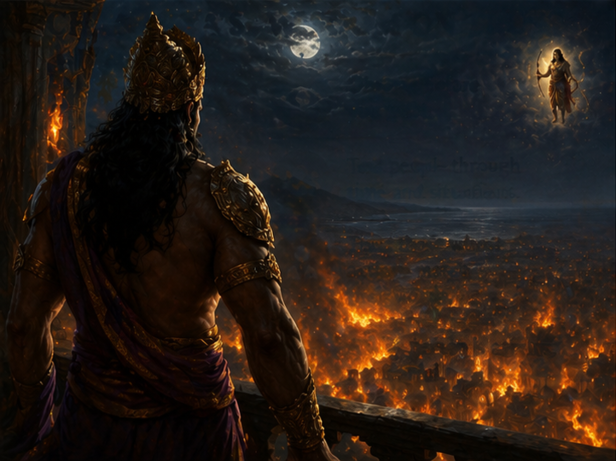
Ego Issues (Image Credit:Chatgpt Ai)
Ego is one of the strongest forces in the human mind. It does not always appear as arrogance. Sometimes it appears as stubbornness, the need to be right, or the refusal to listen.
Ravana’s ego made him believe that he was invincible. Even when wise people around him advised him to return Sita and avoid war, he refused. Not because he did not understand the consequences, but because his ego would not allow him to accept defeat.
Ego creates a false identity. It makes us believe we are bigger than our mistakes. It stops us from learning and growing.
In daily life, ego shows up in simple situations. It appears when we refuse to apologize, when we hold on to arguments, or when we ignore advice. These may seem small, but over time they create bigger problems.
Ravana’s story shows how ego can slowly destroy even the strongest person.
Desire and Emotional Weakness
Another reason Ravana could not control his mind was his inability to manage desire. Desire itself is not wrong. It is a natural part of life. But when desire becomes uncontrolled, it leads to destruction.
Ravana’s desire for Sita was not based on love. It was driven by ego and possession. He wanted what he could not have, and this desire clouded his judgment.
Emotional weakness often hides behind strong personalities. People may appear confident and powerful, but inside they may struggle with control.
Even today, many people make decisions based on temporary emotions. Anger, attraction, jealousy, or insecurity can push people to act in ways they later regret.
The story of Ravana reminds us that true strength is not in power or intelligence. It is in emotional balance.
The Inner Battle We All Face
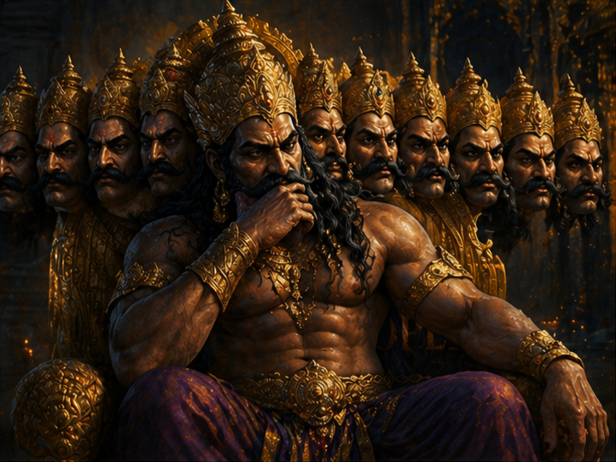
Feeling Failure (Image Credit:Chatgpt Ai)
Ravana’s story is not just about a war between him and Lord Rama. It is about the war within every human being.
Every day, we face choices between patience and anger, between understanding and ego, between right and wrong. These choices may not seem as dramatic as a war, but they shape our lives.
The mind is constantly moving. Thoughts come and go. Emotions rise and fall. Without awareness, it is easy to get carried away.
Ravana lost because he could not pause and observe his own mind. He reacted instead of reflecting.
This is where mindfulness becomes important. Taking a moment to step back, to think before reacting, can change everything.
Lessons for Modern Life
The story of Ravana is surprisingly relevant today. In a world full of distractions, pressure, and emotional challenges, controlling the mind is more important than ever.
Success today is not just about intelligence or talent. It is about emotional stability, self awareness, and discipline.
Ravana had everything except control over himself. That one missing piece led to his downfall.
For us, the lesson is clear. We may not face battles like in the Ramayana, but we face inner struggles every day. Learning to manage them is the real victory.
Ravana did not fall because he was weak. He fell because he could not control his own mind. His story teaches us that the biggest battles are not fought outside but within.
True power comes from self control. When the mind is steady, decisions become clearer, relationships become stronger, and life becomes more balanced.
Unlock insightful tips and inspiration on personal growth, productivity, and well-being. Stay motivated and updated with the latest at My Life XP.