Why Ganga Is Called a Mother and Not a Goddess
Noopur Kumari | Tue, 03 Feb 2026
This article explains why Ganga is revered as a mother and not just a goddess. Through mythology, symbolism, and spiritual teachings, it shows that Ganga represents unconditional love, nurturing care, and forgiveness. She accepts all beings without judgment and provides life, healing, and emotional support. Her story highlights that true divinity is measured by compassion and selfless service rather than mere power. Honoring Ganga as a mother teaches humanity to embrace kindness, patience, and care, making her presence both spiritually uplifting and deeply relatable.

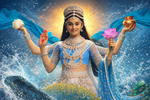
Ganga
Image credit : AI
In Hindu tradition, the River Ganga is revered as Ganga Maa, emphasizing her role as a nurturing mother rather than a distant goddess. Unlike a goddess who is worshipped from afar, a mother is approached with love and trust. Ganga flows through human lives, absorbing mistakes, sins, and hopes without judgment. Her identity symbolizes compassion, forgiveness, and unwavering care. This maternal aspect teaches devotion, patience, and humility. Honoring Ganga as a mother connects people to spiritual growth, inner peace, and the timeless lessons of care and protection that she embodies.
![Ganga Flowing Through Villages and Cities]()
The River Ganga flows through saints and sinners alike, never judging or stopping for purity. In Hindu mythology, her waters cleanse sins, grief, and pain, offering solace to all. This reflects a mother’s unconditional love, as she absorbs her child’s struggles and provides comfort. Ganga represents emotional safety, a sacred space where people feel forgiven and free to start anew. Her continuous flow reminds humanity of compassion, forgiveness, and hope, making her devotion not only spiritual but a timeless guide for life.
![Farmers Depending on the Ganga]()
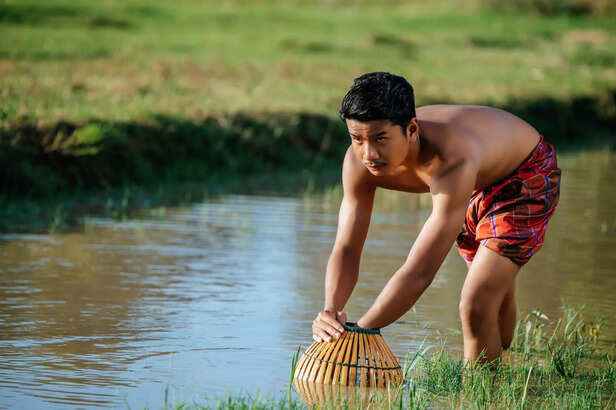
The Ganga nurtures crops, animals, and human communities, supporting life along her sacred banks. Civilizations have thrived because of her waters. In Hindu philosophy, motherhood is seen through nourishment and care, and Ganga embodies this perfectly. She provides water, fertility, and survival without asking anything in return. This selfless giving reflects true maternal strength rather than divine authority. Her continuous flow teaches that real power lies in sustaining life gently and consistently, inspiring respect, gratitude, and understanding of nature’s profound role in human existence.
![Rituals Performed on the Riverbank]()
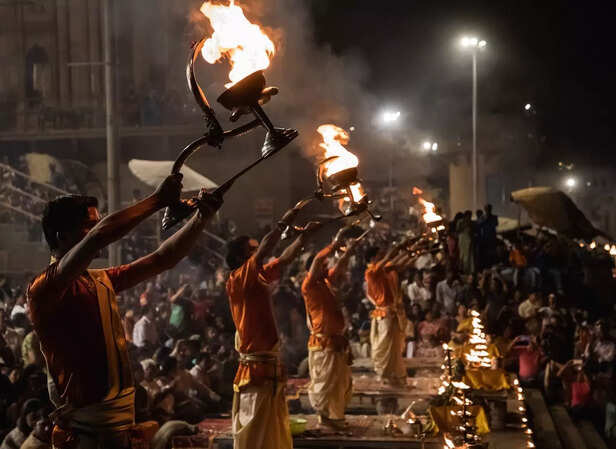
People offer ashes, tears, and prayers to the Ganga, seeking relief and blessing. In Hindu mythology, she descended from heaven to cleanse the suffering of the earth. Like a mother, she carries emotional burdens without complaint, absorbing grief and transforming it into peace. Her gentle flow teaches that true healing comes through patience, presence, and compassion rather than force. Ganga inspires spiritual growth, emotional resilience, and understanding of life’s challenges, making her devotion a timeless symbol of care, forgiveness, and the nurturing power of nature.
Goddesses are usually worshipped in temples, but Ganga flows among people. Children play in her waters, and elders offer prayers on her banks. She is part of daily life, present in rituals, celebrations, and moments of reflection. This constant presence reflects the nature of a mother, always available and caring. Her divinity is experienced through closeness and emotional connection rather than fear. People feel comforted, guided, and nurtured by her presence, making Ganga relatable, grounding, and a timeless symbol of love, compassion, and spiritual support.
In Hindu belief, bathing in the Ganga represents spiritual renewal and cleansing. The river embodies forgiveness, showing that no mistake is permanent and every soul can begin anew. Her flowing waters symbolize the passage of time, carrying away negativity, guilt, and burdens. This sacred practice teaches patience, acceptance, and hope. By connecting with Ganga, devotees experience emotional healing and inner peace. The river’s gentle yet powerful flow reminds humanity that true strength lies in compassion, forgiveness, and the ability to move forward with a light heart and renewed spirit.
Unlock insightful tips and inspiration on personal growth, productivity, and well-being. Stay motivated and updated with the latest at My Life XP.
1. Why is Ganga referred to as a mother instead of a goddess?
Ganga is called a mother because she nurtures, forgives, and provides for all without judgment. Unlike a distant deity, a mother is approachable, caring, and absorbs the struggles of her children, which reflects Ganga’s unconditional love and compassion.
2. How does Ganga symbolize maternal qualities?
Ganga represents nourishment, patience, and protection. Her waters sustain life, cleanse sins, and comfort the grieving, showing qualities associated with motherhood rather than authority or command.
3. What is the significance of Ganga’s forgiveness?
Like a mother who overlooks mistakes, Ganga absorbs human grief and sins without criticism. This teaches that true guidance and healing come from compassion, not punishment.
4. How does mythology describe Ganga’s role on Earth?
Mythology says Ganga descended from heaven to cleanse human suffering and support life. Her presence ensures survival, growth, and spiritual purification, reflecting a mother’s nurturing role.
5. How does calling Ganga a mother impact devotion?
Seeing Ganga as a mother fosters personal connection, trust, and emotional intimacy. Devotees approach her freely, seeking comfort, guidance, and spiritual renewal, rather than fear or strict worship.
She Accepts Everyone Without Judgment

Ganga Flowing Through Villages and Cities
Image credit : Pexels
The River Ganga flows through saints and sinners alike, never judging or stopping for purity. In Hindu mythology, her waters cleanse sins, grief, and pain, offering solace to all. This reflects a mother’s unconditional love, as she absorbs her child’s struggles and provides comfort. Ganga represents emotional safety, a sacred space where people feel forgiven and free to start anew. Her continuous flow reminds humanity of compassion, forgiveness, and hope, making her devotion not only spiritual but a timeless guide for life.
She Nourishes Life Like a Mother
Farmers Depending on the Ganga
Image credit : Freepik
The Ganga nurtures crops, animals, and human communities, supporting life along her sacred banks. Civilizations have thrived because of her waters. In Hindu philosophy, motherhood is seen through nourishment and care, and Ganga embodies this perfectly. She provides water, fertility, and survival without asking anything in return. This selfless giving reflects true maternal strength rather than divine authority. Her continuous flow teaches that real power lies in sustaining life gently and consistently, inspiring respect, gratitude, and understanding of nature’s profound role in human existence.
She Carries Pain Without Resistance
Rituals Performed on the Riverbank
Image credit : Pexels
People offer ashes, tears, and prayers to the Ganga, seeking relief and blessing. In Hindu mythology, she descended from heaven to cleanse the suffering of the earth. Like a mother, she carries emotional burdens without complaint, absorbing grief and transforming it into peace. Her gentle flow teaches that true healing comes through patience, presence, and compassion rather than force. Ganga inspires spiritual growth, emotional resilience, and understanding of life’s challenges, making her devotion a timeless symbol of care, forgiveness, and the nurturing power of nature.
She Is Close, Not Distant
She Forgives and Renews
Unlock insightful tips and inspiration on personal growth, productivity, and well-being. Stay motivated and updated with the latest at My Life XP.
Frequently Asked Questions (FAQs)
Ganga is called a mother because she nurtures, forgives, and provides for all without judgment. Unlike a distant deity, a mother is approachable, caring, and absorbs the struggles of her children, which reflects Ganga’s unconditional love and compassion.
2. How does Ganga symbolize maternal qualities?
Ganga represents nourishment, patience, and protection. Her waters sustain life, cleanse sins, and comfort the grieving, showing qualities associated with motherhood rather than authority or command.
3. What is the significance of Ganga’s forgiveness?
Like a mother who overlooks mistakes, Ganga absorbs human grief and sins without criticism. This teaches that true guidance and healing come from compassion, not punishment.
4. How does mythology describe Ganga’s role on Earth?
Mythology says Ganga descended from heaven to cleanse human suffering and support life. Her presence ensures survival, growth, and spiritual purification, reflecting a mother’s nurturing role.
5. How does calling Ganga a mother impact devotion?
Seeing Ganga as a mother fosters personal connection, trust, and emotional intimacy. Devotees approach her freely, seeking comfort, guidance, and spiritual renewal, rather than fear or strict worship.