Why Hanuman Represents Emotional Intelligence, Not Just Strength
Srota Swati Tripathy | MyLifeXP Bureau | Thu, 18 Dec 2025
Hanuman is often remembered for his immense strength, but his true power lay in emotional intelligence. Through humility, self-control, empathy, and purpose-driven devotion, he embodied emotional maturity. This article explores how Hanuman’s calm strength, balanced loyalty, and emotional awareness offer timeless lessons for modern relationships, leadership, and inner resilience.

Hanuman Beyond Strength
( Image credit : Freepik )
When people think of Hanuman, the first image that usually comes to mind is raw power lifting mountains, leaping across oceans, defeating demons. Strength dominates the narrative. Yet, what moves me more than Hanuman’s physical might is something quieter and far more relevant today: his emotional intelligence. In a world that celebrates dominance, Hanuman stands as a reminder that true power begins with emotional mastery.
![Strength Without Ego]() Hanuman’s greatest strength was never his muscles it was his humility. Despite knowing his immense abilities, he never acted from ego. He did not seek recognition, praise, or authority. In today’s language, Hanuman possessed rare self-awareness. He knew who he was, yet never needed to prove it. Modern life is filled with people who mistake loudness for confidence. Hanuman teaches the opposite: emotional intelligence is knowing your worth without advertising it. His strength was controlled, not performative.
Hanuman’s greatest strength was never his muscles it was his humility. Despite knowing his immense abilities, he never acted from ego. He did not seek recognition, praise, or authority. In today’s language, Hanuman possessed rare self-awareness. He knew who he was, yet never needed to prove it. Modern life is filled with people who mistake loudness for confidence. Hanuman teaches the opposite: emotional intelligence is knowing your worth without advertising it. His strength was controlled, not performative.
![Emotional control]() One of the most powerful aspects of Hanuman’s character is his emotional regulation. Whether facing insult, danger, or impossible odds, he never acted impulsively. When Lanka mocked him, he didn’t respond with rage. When obstacles arose, he responded with strategy. This matters deeply in human relationships. Emotional intelligence is not the absence of emotion it is the ability to choose your response. Hanuman felt anger, devotion, urgency but never let emotions hijack his purpose. That balance is something many of us struggle with daily.
One of the most powerful aspects of Hanuman’s character is his emotional regulation. Whether facing insult, danger, or impossible odds, he never acted impulsively. When Lanka mocked him, he didn’t respond with rage. When obstacles arose, he responded with strategy. This matters deeply in human relationships. Emotional intelligence is not the absence of emotion it is the ability to choose your response. Hanuman felt anger, devotion, urgency but never let emotions hijack his purpose. That balance is something many of us struggle with daily.
![Devotion]() Hanuman’s devotion to Lord Rama is often misunderstood as blind obedience. I see it differently. His devotion was rooted in choice, not fear. He served Rama not because he lacked identity, but because his values aligned with Rama’s dharma. This is emotional maturity in its purest form loving deeply without losing yourself. Hanuman never sought validation from Rama, yet remained unwaveringly loyal. In modern terms, he modelled healthy attachment: connected, committed, but not dependent.
Hanuman’s devotion to Lord Rama is often misunderstood as blind obedience. I see it differently. His devotion was rooted in choice, not fear. He served Rama not because he lacked identity, but because his values aligned with Rama’s dharma. This is emotional maturity in its purest form loving deeply without losing yourself. Hanuman never sought validation from Rama, yet remained unwaveringly loyal. In modern terms, he modelled healthy attachment: connected, committed, but not dependent.
![Hanuman devotee of Sita]() One of the most touching moments in the Ramayana is Hanuman’s interaction with Sita. He approaches her with sensitivity, humility, and respect. He reads her fear before offering comfort. He does not impose his strength on her pain. This moment shows us that emotional intelligence often appears as empathy. Hanuman knew when strength was needed and when gentleness was the greater force. In relationships today, many conflicts arise not from lack of love, but lack of emotional attunement. Hanuman reminds us that listening can be more powerful than fixing.
One of the most touching moments in the Ramayana is Hanuman’s interaction with Sita. He approaches her with sensitivity, humility, and respect. He reads her fear before offering comfort. He does not impose his strength on her pain. This moment shows us that emotional intelligence often appears as empathy. Hanuman knew when strength was needed and when gentleness was the greater force. In relationships today, many conflicts arise not from lack of love, but lack of emotional attunement. Hanuman reminds us that listening can be more powerful than fixing.
Hanuman’s actions were never about personal glory. Even when he burned Lanka, it was strategic, not vengeful. He acted with clarity of purpose. Emotional intelligence includes the ability to separate emotion from intention. I believe this is why Hanuman remains relevant. He shows us how to channel emotion into meaningful action instead of destructive reaction. In a time of instant responses and emotional outbursts, his restraint feels revolutionary.
Why This Matters Today
We live in an age where emotional intelligence is discussed in boardrooms, relationships, and mental health spaces. Yet its essence is ancient. Hanuman embodied what modern psychology now explains: self-awareness, empathy, emotional regulation, motivation, and humility.
Strength without emotional intelligence becomes aggression. Devotion without emotional intelligence becomes dependency. Intelligence without emotional intelligence becomes arrogance. Hanuman balanced them all.
Hanuman represents a version of masculinity and humanity that the modern world desperately needs. He teaches us that the strongest person in the room is often the calmest. That loyalty does not require self-erasure. That power is safest in the hands of the emotionally aware. Hanuman was mighty not because he could move mountains but because he knew when not to. And perhaps that is the most profound lesson of all.
Strength Without Ego
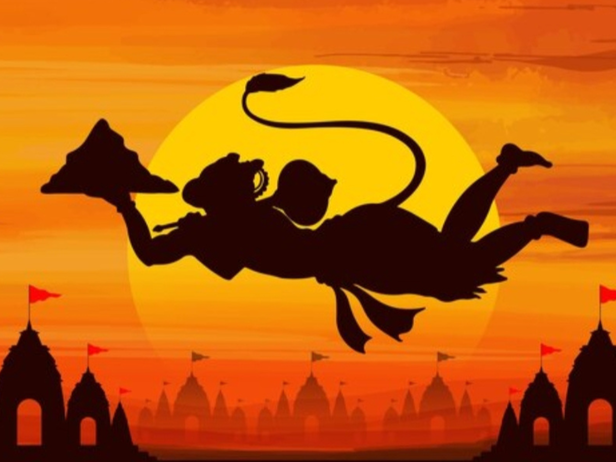
Strength Without Ego<br>
( Image credit : Freepik )
Emotional Control in Moments of Crisis

Emotional control
( Image credit : Freepik )
Devotion Without Dependency
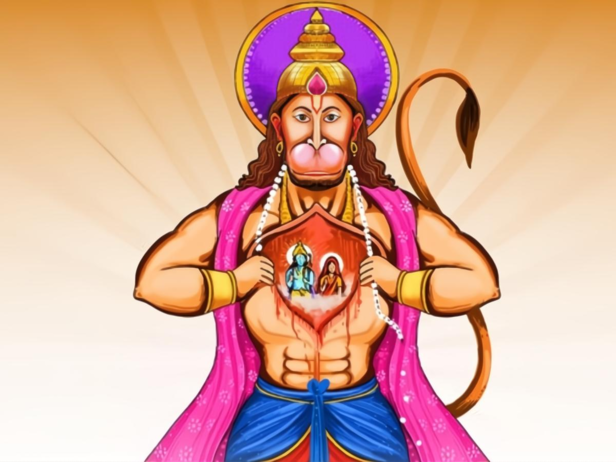
Devotion
( Image credit : Freepik )
Empathy as a Form of Power
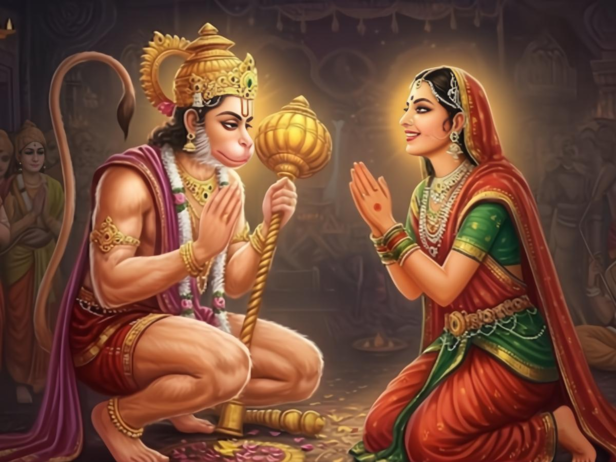
Hanuman devotee of Sita
( Image credit : Freepik )
Purpose-Driven Action
Why This Matters Today
We live in an age where emotional intelligence is discussed in boardrooms, relationships, and mental health spaces. Yet its essence is ancient. Hanuman embodied what modern psychology now explains: self-awareness, empathy, emotional regulation, motivation, and humility.
Strength without emotional intelligence becomes aggression. Devotion without emotional intelligence becomes dependency. Intelligence without emotional intelligence becomes arrogance. Hanuman balanced them all.