Why Hindu Brides Throw Rice Before Leaving Home
Noopur Kumari | Fri, 08 May 2026
The rice thrown during Vidai carries a deep emotional meaning in Sanatan Dharma. Rice symbolizes wealth, prosperity, blessings, and abundance, while a daughter is considered the form of Goddess Lakshmi. When she throws rice behind her while leaving, it symbolizes returning happiness and prosperity to the family that raised her. Later, during Griha Pravesh, she gently pushes a rice-filled kalash while entering her husband’s home, symbolizing that she now brings blessings and abundance into a new family. Together, these rituals beautifully express gratitude, responsibility, emotional transition, and the sacred role of womanhood in Indian culture and tradition.

Hindu Brides Throw Rice
Image credit : chatgpt(ai)
Every Indian wedding is filled with emotional traditions, but one ritual silently breaks almost every heart Vidai. As the bride leaves her parents’ home, she throws rice behind her without looking back. Most people see only tears and farewell emotions, but very few understand the deep meaning hidden inside this small act. In Sanatan tradition, the ritual symbolizes gratitude, blessings, prosperity, and emotional responsibility. The daughter, seen as Goddess Lakshmi, symbolically leaves happiness and abundance behind for her family. This is not just an emotional custom. It carries deep psychological and spiritual meaning, making Vidai one of the most powerful rituals in Indian wedding traditions.
Why the Bride Throws Rice Without Looking Back
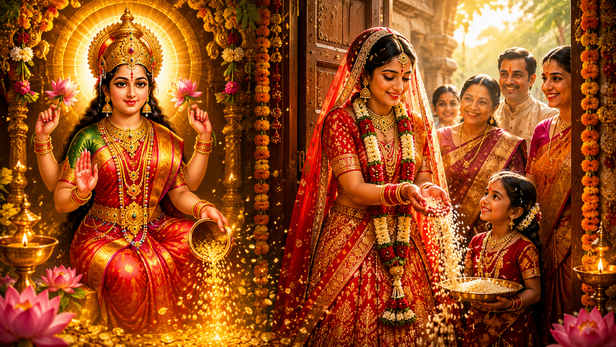
Bride Performing Vidai Ritual
Image credit : chatgpt(Ai)
During Vidai, the bride throws rice behind her while walking away from her parents’ home. This act may appear simple, but its emotional meaning runs deep. In Hindu tradition, rice represents abundance, wealth, and positive energy. By throwing it backward, the daughter symbolically says she is not taking away the happiness or prosperity of the house with her. Instead, she leaves blessings behind for her family’s future. The act also reflects emotional maturity because she walks forward without turning back, accepting the painful transition into a new phase of life while still praying silently for the happiness of her parents.
The Hidden Meaning of Calling a Daughter Lakshmi
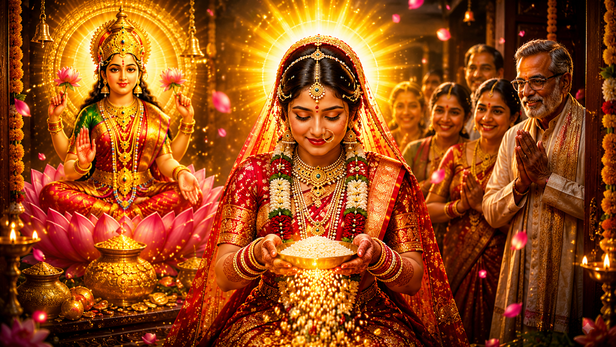
Bride Entering New Home with Rice Kalash
Image credit : ChatGPT(ai)
In Sanatan Dharma, daughters are often compared to Goddess Lakshmi because they are believed to bring happiness, warmth, and prosperity into a home. That belief is reflected strongly during wedding rituals. The Vidai rice ritual carries the message that the daughter lived in her parents’ house as Lakshmi herself. Even while leaving emotionally, she offers gratitude instead of sadness alone. This transforms the ritual from simple farewell into a spiritual blessing. It reminds families that daughters are not burdens or temporary guests, but emotionally powerful pillars who shape the energy, peace, and emotional strength of a household for years.
Why the Griha Pravesh Ritual Completes the Story
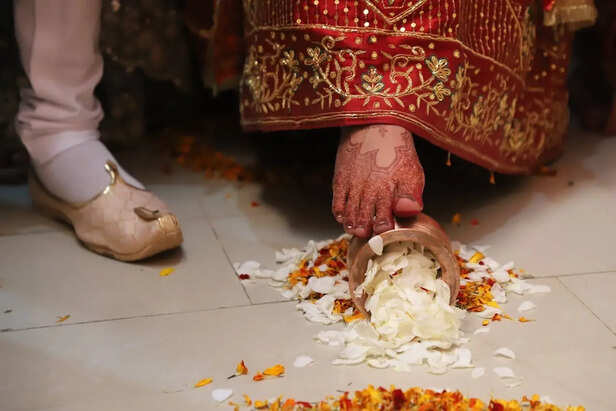
Bride Entering New Home with Rice Kalash
Image credit : Pexels
The emotional symbolism does not end at Vidai. When the bride enters her husband’s home, she gently pushes a rice-filled kalash with her right foot during Griha Pravesh. This ritual carries another powerful message. Just as she left blessings behind at one home, she now brings prosperity and positive energy into another. The overflowing rice represents abundance entering the new family. It symbolizes that the bride is not arriving empty-handed emotionally or spiritually. Instead, she enters as the new Lakshmi of the house, carrying responsibility, warmth, emotional care, and the promise of nurturing the family she is becoming part of.
The Psychology Hidden Inside These Rituals
Why These Rituals Still Feel So Powerful Today
Unlock insightful tips and inspiration on personal growth, productivity, and well-being. Stay motivated and updated with the latest at My Life XP.
Frequently Asked Questions (FAQs)
In Sanatan Dharma, rice symbolizes prosperity, blessings, and abundance. When a bride throws rice behind her during Vidai, it symbolizes returning happiness, prosperity, and gratitude to the family that raised her.
2. What is the spiritual meaning of the Vidai ritual?
The Vidai ritual represents emotional transition, gratitude, blessings, and the daughter’s silent prayer for her parents’ happiness and well-being after she leaves her childhood home.
3. Why is a daughter compared to Goddess Lakshmi?
In Hindu tradition, daughters are considered the form of Goddess Lakshmi because they are believed to bring prosperity, warmth, positivity, and emotional strength into a family.
4. What does the rice symbolize in Hindu weddings?
Rice symbolizes wealth, abundance, fertility, blessings, and positive energy in many Hindu rituals, especially wedding ceremonies.
5. Why does the bride not look back during Vidai?
Not looking back symbolizes accepting a new phase of life with emotio