Why Is Sindoor Applied Three Times? The Hidden Secret of This Powerful Hindu Wedding Ritual
Noopur Kumari | Mon, 02 Mar 2026
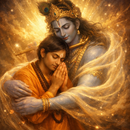
At every traditional Hindu wedding, one emotional moment makes everyone silent. The groom gently fills the bride’s hair parting with sindoor. Not once, but three times. Why three times? Is it just custom, or is there a deeper spiritual meaning? In Sanatan Dharma, no ritual is empty. Every action carries symbolism rooted in ancient scriptures and divine energy. This sacred act is not just about marriage. It is about responsibility, protection, and spiritual union. Let us understand the hidden religious meaning behind this powerful wedding ritual.

Groom Apply Sindoor Three Times
Image credit : ChatGPT (AI)
A Hindu wedding is not only a celebration. It is a sacred vow witnessed by fire, family, and faith. The ritual of applying sindoor, called Sindoor Daan, is one of the most important moments in the ceremony. The red vermilion placed in the bride’s maang symbolizes her new journey as a married woman. The tradition is connected to devotion and divine feminine power. In many temples, even Goddess Parvati is adorned with sindoor as a symbol of eternal marriage. This ritual carries layers of spiritual meaning beyond what we see.
![The Sacred Moment of Sindoor Daan]()
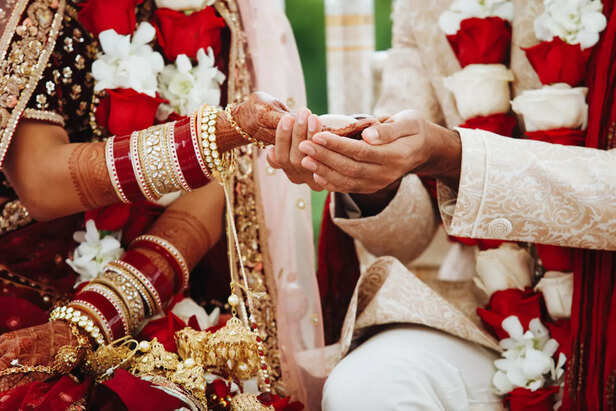
The first application of sindoor symbolizes a sacred vow of protection. In Hindu marriage traditions, the union is not only about companionship but also about responsibility and care. When the groom places sindoor in the bride’s maang, he publicly promises to stand beside her in happiness and difficulty. The red color represents strength, vitality, and sacred life energy. This act signifies his commitment to safeguard her dignity and well being. It is more than a ritual gesture. It is a solemn declaration before family, society, and the divine that he will honor, respect, and protect his wife throughout their shared journey of life.
The second application of sindoor represents a deeper spiritual union between husband and wife. In Hindu philosophy, marriage is not limited to physical partnership. It is a sacred bond that connects body, mind, and soul. The sindoor is placed along the hair parting near the forehead, an area traditionally linked with awareness and inner consciousness. This gesture symbolizes emotional harmony and mental understanding between the couple. It reflects shared values, common dreams, and mutual spiritual growth. Through this ritual, marriage becomes a journey of unity and inner alignment, where two individuals walk together with respect, commitment, and a higher purpose.
![Divine Blessings at the Wedding Fire]()
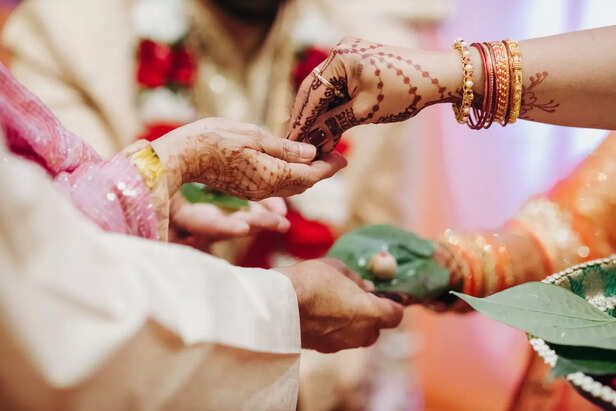
Many scholars believe that the three applications of sindoor symbolize blessings from the Hindu trinity, Brahma, Vishnu, and Shiva. These deities represent creation, preservation, and transformation, the three essential forces that sustain life. Marriage in Hindu tradition is viewed as a sacred partnership guided by these divine energies. By applying sindoor three times, the groom seeks spiritual support for a harmonious and prosperous household. The act expresses faith that their relationship will be nurtured, protected, and strengthened by higher powers throughout life’s changing phases.
Sindoor carries deep spiritual meaning in Hindu tradition. Its red color represents Shakti, the sacred feminine energy that symbolizes strength, creation, and vitality. It is also associated with prosperity and auspiciousness. When the groom fills the bride’s maang with sindoor, he honors her as the embodiment of grace and abundance, often compared to Goddess Lakshmi. This act reflects respect for her role in nurturing and sustaining the family. In many households, married women apply sindoor daily as a prayer for their husband’s well being and the harmony of the home. The ritual beautifully celebrates womanhood, commitment, and sacred partnership.
![Couple holding hands as family showers blessings.]()
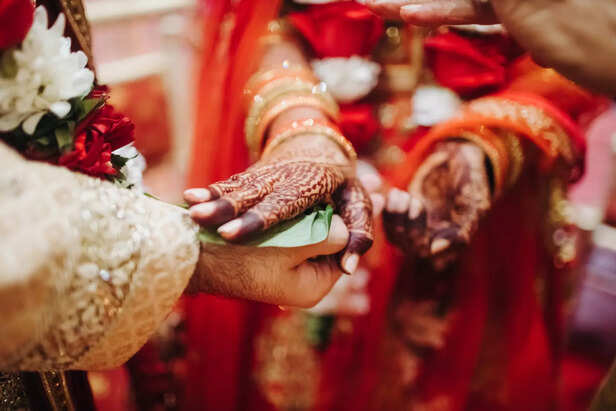
The third application of sindoor is deeply connected to the Hindu belief in rebirth. In Sanatan Dharma, the soul is eternal and continues its journey across lifetimes. By applying sindoor three times, the groom symbolically expresses commitment beyond the present life. It represents a sacred promise that their bond is not temporary but spiritual and enduring. Marriage is viewed as a union of souls guided by destiny and divine will. This ritual reflects the idea that true companionship transcends time and physical existence. It highlights the profound spiritual depth of Hindu marriage as a lifelong and even multi lifetime partnership rooted in faith.
The ritual of applying sindoor three times is deeply symbolic and rooted in sacred tradition. It represents protection, unity, divine blessings, feminine strength, and lifelong commitment. In Hindu weddings, every gesture carries spiritual meaning shaped by centuries of faith and scripture. This act is not merely ceremonial. It reflects the sacred responsibility the couple accepts toward each other. In Sanatan Dharma, marriage is more than a celebration. It is a spiritual partnership built on trust, devotion, and duty. When we understand these rituals, we realize tradition is not blind practice but preserved wisdom guiding families and relationships across generations with purpose and reverence.
Unlock insightful tips and inspiration on personal growth, productivity, and well-being. Stay motivated and updated with the latest at My Life XP.
1. Why does the groom apply sindoor three times in a Hindu wedding?
The three applications symbolize protection, unity, and lifelong commitment. Some traditions also connect it to blessings for body, mind, and soul. It reflects responsibility, sacred bonding, and spiritual partnership in marriage.
2. What is the religious meaning of sindoor in Hinduism?
Sindoor represents Shakti, the divine feminine energy. It symbolizes marital status, prosperity, and the husband’s long life. In many traditions, it is associated with Goddess Parvati, who represents devotion and eternal marriage.
3. Is applying sindoor mentioned in Hindu scriptures?
While exact procedures vary by region, the ritual is rooted in ancient Hindu customs and supported by traditional wedding practices described in Dharmashastra texts and cultural traditions passed through generations.
4. Why is sindoor red in color?
Red symbolizes strength, fertility, love, and power in Hindu culture. It is considered auspicious and connected with life energy and prosperity.
5. Do all Hindu communities apply sindoor three times?
Practices differ across regions in India. Some apply it once, some three times, and some follow unique customs. However, the spiritual meaning of commitment and sacred union remains the same.
Promise of Protection
The Sacred Moment of Sindoor Daan
Image credit : Freepik
The first application of sindoor symbolizes a sacred vow of protection. In Hindu marriage traditions, the union is not only about companionship but also about responsibility and care. When the groom places sindoor in the bride’s maang, he publicly promises to stand beside her in happiness and difficulty. The red color represents strength, vitality, and sacred life energy. This act signifies his commitment to safeguard her dignity and well being. It is more than a ritual gesture. It is a solemn declaration before family, society, and the divine that he will honor, respect, and protect his wife throughout their shared journey of life.
Union of Body, Mind, and Soul
Blessings of the Divine Trinity
Divine Blessings at the Wedding Fire
Image credit : Freepik
Many scholars believe that the three applications of sindoor symbolize blessings from the Hindu trinity, Brahma, Vishnu, and Shiva. These deities represent creation, preservation, and transformation, the three essential forces that sustain life. Marriage in Hindu tradition is viewed as a sacred partnership guided by these divine energies. By applying sindoor three times, the groom seeks spiritual support for a harmonious and prosperous household. The act expresses faith that their relationship will be nurtured, protected, and strengthened by higher powers throughout life’s changing phases.
Symbol of Shakti and Prosperity
Commitment for Three Lifetimes
Couple holding hands as family showers blessings.
Image credit : Freepik
The third application of sindoor is deeply connected to the Hindu belief in rebirth. In Sanatan Dharma, the soul is eternal and continues its journey across lifetimes. By applying sindoor three times, the groom symbolically expresses commitment beyond the present life. It represents a sacred promise that their bond is not temporary but spiritual and enduring. Marriage is viewed as a union of souls guided by destiny and divine will. This ritual reflects the idea that true companionship transcends time and physical existence. It highlights the profound spiritual depth of Hindu marriage as a lifelong and even multi lifetime partnership rooted in faith.
A Vow Beyond This Life
Unlock insightful tips and inspiration on personal growth, productivity, and well-being. Stay motivated and updated with the latest at My Life XP.
Frequently Asked Questions (FAQs)
The three applications symbolize protection, unity, and lifelong commitment. Some traditions also connect it to blessings for body, mind, and soul. It reflects responsibility, sacred bonding, and spiritual partnership in marriage.
2. What is the religious meaning of sindoor in Hinduism?
Sindoor represents Shakti, the divine feminine energy. It symbolizes marital status, prosperity, and the husband’s long life. In many traditions, it is associated with Goddess Parvati, who represents devotion and eternal marriage.
3. Is applying sindoor mentioned in Hindu scriptures?
While exact procedures vary by region, the ritual is rooted in ancient Hindu customs and supported by traditional wedding practices described in Dharmashastra texts and cultural traditions passed through generations.
4. Why is sindoor red in color?
Red symbolizes strength, fertility, love, and power in Hindu culture. It is considered auspicious and connected with life energy and prosperity.
5. Do all Hindu communities apply sindoor three times?
Practices differ across regions in India. Some apply it once, some three times, and some follow unique customs. However, the spiritual meaning of commitment and sacred union remains the same.