Why Krishna Calls Desire the Enemy, Not People
Deepika Kataria | Mon, 15 Dec 2025
Drawing from the Mahabharata and the Bhagavad Gita, this article explores Krishna’s profound insight that desire, not other people, is the real source of conflict and suffering. By shifting the battle inward, Krishna teaches how to act with courage, uphold dharma, and remain free from attachment, hatred, and fear.

In the Mahabharata especially through the teachings of the Bhagavad Gita Krishna makes a statement that feels both radical and deeply compassionate: your true enemy is not another person, but your own desire. This idea challenges how humans naturally assign blame. When we suffer, we point outward toward rivals, family members, colleagues, or fate itself. Krishna gently but firmly redirects our gaze inward. He does not deny injustice or conflict, but he insists that the root of destruction lies elsewhere.
![Krishna Teaching Arjuna on the Battlefield]() In the Bhagavad Gita, Krishna tells Arjuna that kāma (desire) and krodha (anger) arise from rajas, the restless quality of the mind. Desire, when obstructed, transforms into anger, and together they cloud wisdom.
In the Bhagavad Gita, Krishna tells Arjuna that kāma (desire) and krodha (anger) arise from rajas, the restless quality of the mind. Desire, when obstructed, transforms into anger, and together they cloud wisdom.
This is not moral judgment; it is psychological insight. Desire is not portrayed as inherently evil it becomes dangerous when it demands possession, control, and validation at any cost.
Krishna does not call other humans enemies because people are merely instruments through which desire plays out. Two individuals may want the same throne, the same recognition, or the same love.
The conflict appears personal, but the fuel is internal craving. If desire were absent, rivalry would lose its power.
One of Krishna’s most striking teachings is his refusal to divide the world into “good people” and “bad people.” In the Mahabharata, even figures like Duryodhana or Shakuni are not described as demons by birth. Their downfall comes from unchecked desire for power, validation, revenge, or superiority.
By shifting blame away from people, Krishna prevents the cycle of hatred. If you believe your enemy is a person, your response will be punishment or destruction. But if you recognize desire as the enemy, the response becomes awareness, restraint, and self mastery. This is why Krishna’s path is transformative rather than vengeful.
![Desire and Anger Clouding Judgment]() Perhaps the most uncomfortable truth Krishna exposes is that desire often hides behind noble masks. People rarely say, “I want power.” Instead, they say, “I deserve respect.” They don’t admit, “I crave control.” They say, “I’m protecting what’s mine.”
Perhaps the most uncomfortable truth Krishna exposes is that desire often hides behind noble masks. People rarely say, “I want power.” Instead, they say, “I deserve respect.” They don’t admit, “I crave control.” They say, “I’m protecting what’s mine.”
In the Mahabharata, the war of Kurukshetra is not fought because of evil intent alone it is fought because each side believes its desires are justified. Duryodhana frames his hunger for the kingdom as a matter of pride and entitlement. Even the Pandavas, though guided by dharma, are not free from attachment to honor and loss.
Krishna’s teaching warns that desire becomes most dangerous when it believes it is moral.
Krishna repeatedly reminds Arjuna that the real war is not on the field but within the mind. External enemies can be defeated once; internal enemies regenerate endlessly. Desire, when fed, multiplies. When denied, it disguises itself and returns stronger.
This is why Krishna urges Arjuna to act without attachment to outcomes. Action itself is not the problem attachment is.
You may fight, work, love, and lead, but the moment your identity becomes dependent on results, desire takes control. And when desire controls action, wisdom collapses.
![Dharma Over Personal Victory]() Desire operates on scarcity. It whispers, “There isn’t enough for everyone.” This illusion turns others into obstacles. Once someone is seen as an obstacle, empathy disappears. Krishna understands that wars personal or political begin when desire convinces us that someone else’s existence threatens our fulfillment.
Desire operates on scarcity. It whispers, “There isn’t enough for everyone.” This illusion turns others into obstacles. Once someone is seen as an obstacle, empathy disappears. Krishna understands that wars personal or political begin when desire convinces us that someone else’s existence threatens our fulfillment.
People don’t destroy relationships because they enjoy cruelty; they destroy them because desire promises happiness on the other side of loss. Krishna dismantles this lie. He teaches that fulfillment does not come from satisfying desire, but from transcending dependence on it.
Calling desire the enemy does not mean suppressing emotion or becoming detached from life. Krishna never advocates emotional numbness. Instead, he teaches disciplined engagement living fully while remaining inwardly free.
This is why Krishna stands with warriors, kings, householders, and seekers alike. His philosophy is not escape from life but mastery within it. Desire becomes an enemy only when it dominates awareness. When observed and restrained, it loses its tyranny.
![Krishna’s Vision of True Victory]() Krishna’s teaching is liberating because it shifts the battlefield from the outer world to the inner self. By identifying desire not people as the true enemy, he frees humans from the endless cycle of blame, hatred, and revenge.
Krishna’s teaching is liberating because it shifts the battlefield from the outer world to the inner self. By identifying desire not people as the true enemy, he frees humans from the endless cycle of blame, hatred, and revenge.
When people are seen as enemies, conflict multiplies. But when desire is recognized as the root cause, compassion becomes possible even in disagreement.
This wisdom allows a rare balance: you can resist injustice without poisoning your heart. Krishna does not ask for passivity or withdrawal from life. He allows action, resistance, and even war when dharma demands it. What he removes is emotional bondage the bitterness, ego, and thirst for personal victory that quietly destroy the soul.
The Gita’s most radical truth is this: action is not the problem; attachment is. When desire controls outcomes, fear of loss and hunger for validation dominate the mind. But when action is performed without clinging to results, fear weakens. Without fear, anger fades. Without anger, enemies lose their grip.
In Krishna’s vision, true victory is not standing over defeated opponents. It is standing steady within yourself unshaken by praise or blame, gain or loss. Mastery of the self, not conquest of others, is the highest form of freedom.
The Gita’s Clear Diagnosis of Suffering
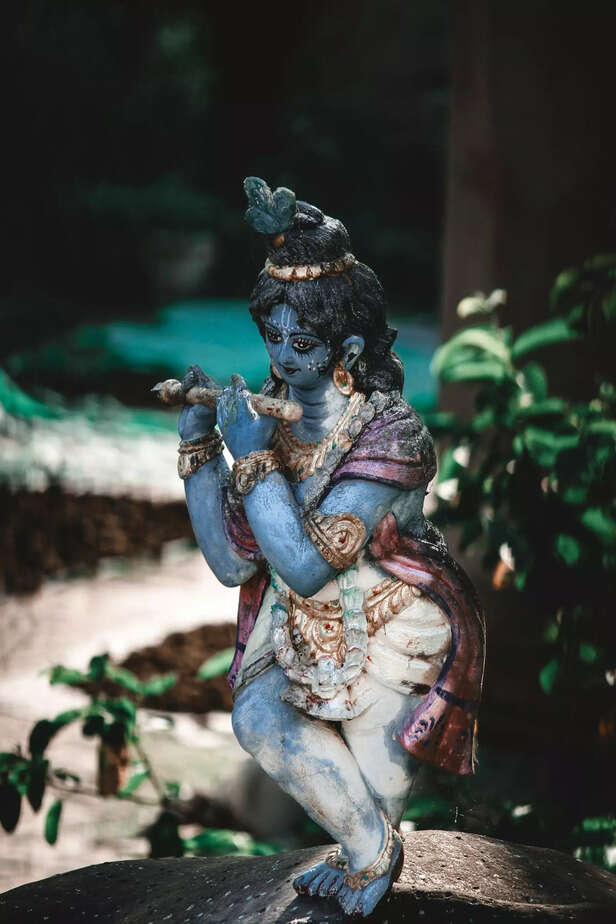
Krishna Teaching Arjuna on the Battlefield
( Image credit : Unsplash )
This is not moral judgment; it is psychological insight. Desire is not portrayed as inherently evil it becomes dangerous when it demands possession, control, and validation at any cost.
Krishna does not call other humans enemies because people are merely instruments through which desire plays out. Two individuals may want the same throne, the same recognition, or the same love.
The conflict appears personal, but the fuel is internal craving. If desire were absent, rivalry would lose its power.
Why Krishna Refuses to Demonize People
By shifting blame away from people, Krishna prevents the cycle of hatred. If you believe your enemy is a person, your response will be punishment or destruction. But if you recognize desire as the enemy, the response becomes awareness, restraint, and self mastery. This is why Krishna’s path is transformative rather than vengeful.
Desire Disguised as Righteousness
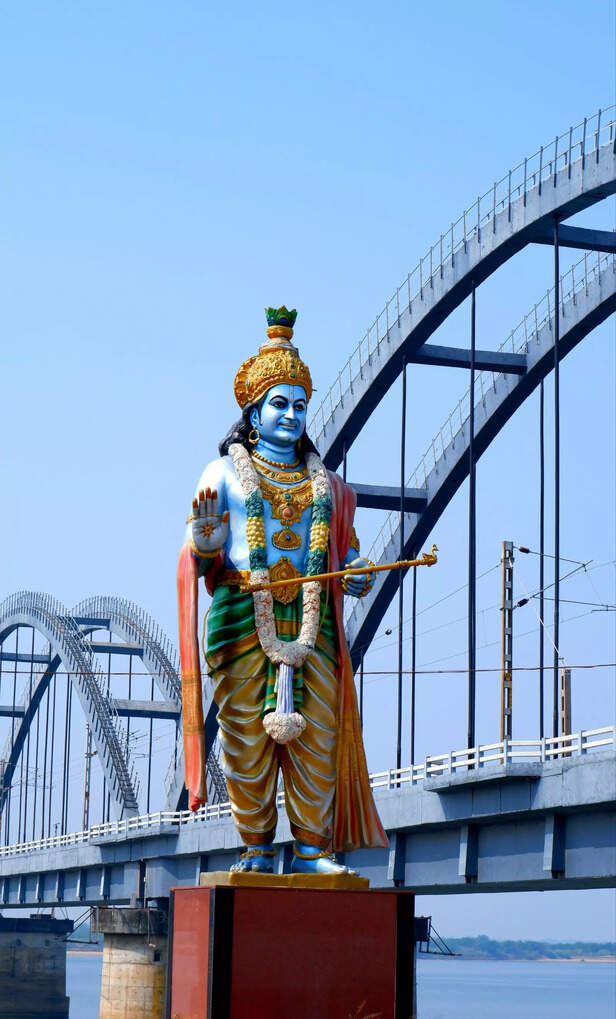
Desire and Anger Clouding Judgment
( Image credit : Unsplash )
In the Mahabharata, the war of Kurukshetra is not fought because of evil intent alone it is fought because each side believes its desires are justified. Duryodhana frames his hunger for the kingdom as a matter of pride and entitlement. Even the Pandavas, though guided by dharma, are not free from attachment to honor and loss.
Krishna’s teaching warns that desire becomes most dangerous when it believes it is moral.
The Inner Battlefield Is the Real Kurukshetra
This is why Krishna urges Arjuna to act without attachment to outcomes. Action itself is not the problem attachment is.
You may fight, work, love, and lead, but the moment your identity becomes dependent on results, desire takes control. And when desire controls action, wisdom collapses.
Why Desire Creates Endless Conflict
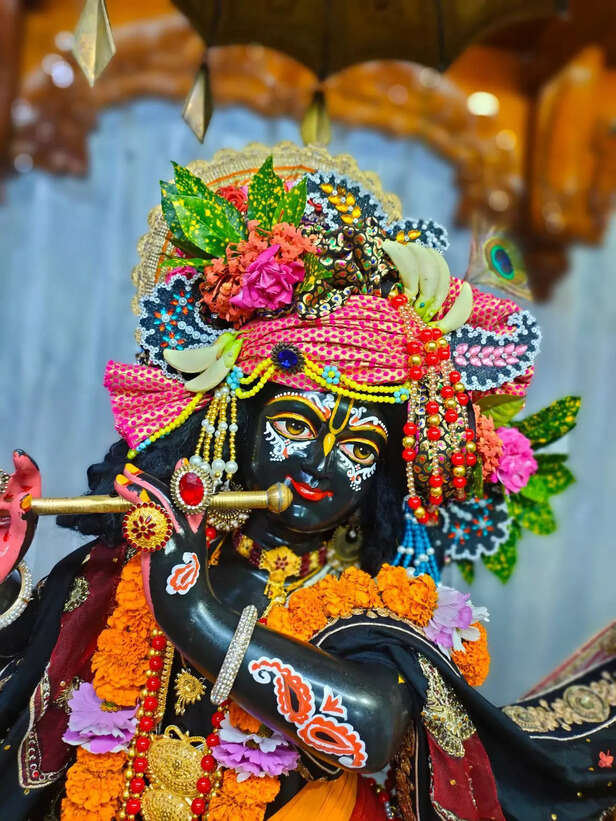
Dharma Over Personal Victory
( Image credit : Pexels )
People don’t destroy relationships because they enjoy cruelty; they destroy them because desire promises happiness on the other side of loss. Krishna dismantles this lie. He teaches that fulfillment does not come from satisfying desire, but from transcending dependence on it.
Krishna’s Compassionate Realism
This is why Krishna stands with warriors, kings, householders, and seekers alike. His philosophy is not escape from life but mastery within it. Desire becomes an enemy only when it dominates awareness. When observed and restrained, it loses its tyranny.
Why Krishna’s Teaching Is Ultimately Liberating
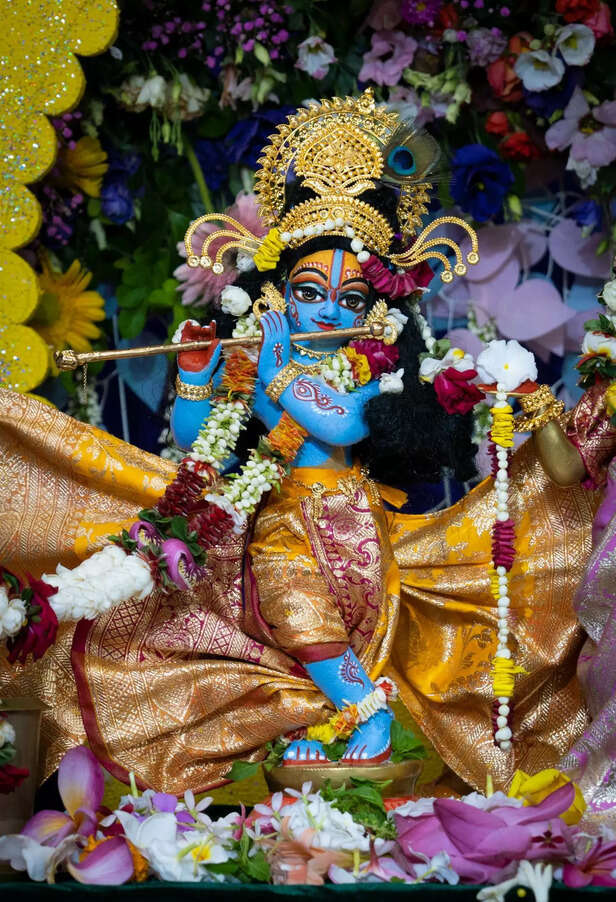
Krishna’s Vision of True Victory
( Image credit : Pexels )
When people are seen as enemies, conflict multiplies. But when desire is recognized as the root cause, compassion becomes possible even in disagreement.
This wisdom allows a rare balance: you can resist injustice without poisoning your heart. Krishna does not ask for passivity or withdrawal from life. He allows action, resistance, and even war when dharma demands it. What he removes is emotional bondage the bitterness, ego, and thirst for personal victory that quietly destroy the soul.
The Gita’s most radical truth is this: action is not the problem; attachment is. When desire controls outcomes, fear of loss and hunger for validation dominate the mind. But when action is performed without clinging to results, fear weakens. Without fear, anger fades. Without anger, enemies lose their grip.
In Krishna’s vision, true victory is not standing over defeated opponents. It is standing steady within yourself unshaken by praise or blame, gain or loss. Mastery of the self, not conquest of others, is the highest form of freedom.