Why Krishna Wanted Hanuman on Arjuna’s Chariot During War
Deepak Rajeev | Fri, 08 May 2026
Lord Hanuman’s presence on Arjuna’s chariot during the Mahabharata war carried deep spiritual meaning. Guided by Lord Krishna, Hanuman protected Arjuna from powerful celestial weapons and symbolized courage, devotion, and divine strength. The story also created a powerful connection between the Ramayana and Mahabharata, showing how Hanuman’s eternal devotion continued across different ages and divine avatars.

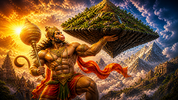
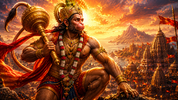
Lord Hanuman, Arjuna, Lord Krishna (Image Credit: AI)
The Mahabharata is filled with divine mysteries, powerful warriors, and spiritual moments that continue to fascinate millions even today. Among the many unforgettable symbols of the great Kurukshetra war, one image stands out above all others. It is the sight of Lord Hanuman seated on the flag of Arjuna’s chariot while Lord Krishna guided the horses below. For devotees and scholars alike, this moment carries a much deeper meaning than many people realize.
The presence of Hanuman on Arjuna’s chariot was not simply decorative or symbolic. Ancient Hindu scriptures and traditional interpretations explain that Lord Krishna Himself wanted Hanuman to remain on the chariot throughout the war for powerful spiritual, protective, and divine reasons. This extraordinary connection between Krishna, Hanuman, and Arjuna also created a bridge between the Ramayana and the Mahabharata, uniting two of Hinduism’s greatest epics in a deeply meaningful way.
![Hanuman & Bhima (Image Credit: AI)]()
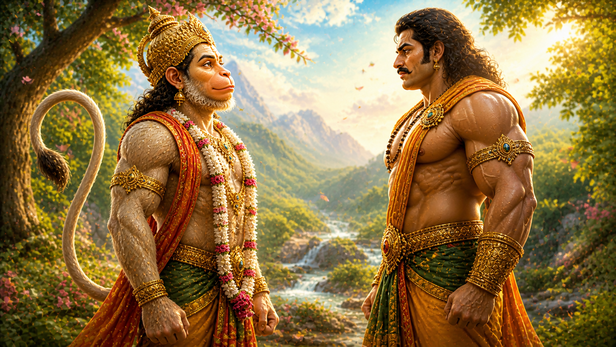
To understand why Hanuman appeared in the Mahabharata, it is important to know His connection with the Pandavas. Both Hanuman and Bhima were considered spiritual brothers because they were sons of Vayu, the wind god. Hanuman was born to Anjana with the blessings of Vayu, while Bhima was born to Kunti through the same divine force.
During the Pandavas’ exile, Bhima once encountered Hanuman in the forest. According to the Mahabharata, Hanuman appeared before Bhima disguised as an old monkey lying across the path. Bhima, proud of his strength, asked the monkey to move aside. But when Bhima tried lifting Hanuman’s tail, he failed completely despite his immense power. This moment humbled Bhima and revealed an important spiritual lesson. Hanuman then showed His divine form and blessed Bhima. Many Hindu scholars believe this encounter established the spiritual bond that later connected Hanuman to the Pandavas during the Kurukshetra war.
![Lord Hanuman]()
Another important story explains how Hanuman came to sit on Arjuna’s chariot. One day, Arjuna became proud of his archery skills and questioned why Lord Rama needed an army of monkeys to build a bridge to Lanka during the Ramayana. Arjuna believed he could have built a stronger bridge using only arrows.
Hanuman overheard this and challenged Arjuna. Arjuna created a bridge made of arrows, but Hanuman easily broke it by stepping on it. Arjuna felt deeply embarrassed and prepared to sacrifice himself after losing the challenge. At that moment, Lord Krishna intervened and revealed that divine strength cannot be measured through pride alone. After Arjuna understood his mistake, Hanuman blessed him and promised to remain on his chariot flag during the future war. This promise later became one of the most important spiritual symbols in the Mahabharata.
One of the biggest reasons Krishna wanted Hanuman on Arjuna’s chariot was protection. The Mahabharata war involved some of the greatest warriors and most destructive celestial weapons ever described in Hindu scriptures. Arjuna faced terrifying enemies such as Karna, Bhishma, Dronacharya, Ashwatthama, and countless powerful kings.
Traditional Hindu interpretations explain that Hanuman’s divine energy protected Arjuna’s chariot from complete destruction multiple times during the war. His spiritual presence acted as a shield against devastating attacks and divine astras used by enemy warriors. Some versions of the Mahabharata tradition state that after the war ended and Krishna stepped down from the chariot, Hanuman also disappeared from the flag. Only then did the chariot immediately burst into flames because it had already absorbed the destructive power of countless celestial weapons during battle. Devotees believe Krishna and Hanuman together had protected Arjuna throughout the war.
Hanuman’s presence also carried psychological and spiritual importance. Hanuman symbolized courage, devotion, fearlessness, and absolute loyalty toward dharma. Seeing Hanuman on the chariot reminded Arjuna constantly of divine strength and spiritual duty during moments of fear and confusion. The Kurukshetra war was not simply a physical battle. It was also a moral and emotional struggle. Arjuna himself became emotionally broken before the war began, leading to the teachings of the Bhagavad Gita by Lord Krishna. Many devotees believe Hanuman’s presence represented unwavering faith during this difficult moment. Just as Hanuman had served Lord Rama with complete devotion in the Ramayana, He now supported Krishna’s mission during the Mahabharata.
The image of Hanuman on Arjuna’s chariot also created one of Hinduism’s most beautiful spiritual connections between the Ramayana and the Mahabharata. Lord Rama and Lord Krishna are both considered avatars of Lord Vishnu. Hanuman’s devotion toward Rama was eternal, and many traditions believe Hanuman immediately recognized Krishna as the same supreme divine force. This explains why Hanuman willingly supported Krishna during the Mahabharata war. For devotees, this moment symbolized the timeless continuity of dharma across ages. It showed that divine purpose continues beyond one lifetime, one battle, or one era. Hanuman’s presence reminded people that devotion to God remains eternal regardless of the form in which the divine appears.
Several traditional retellings also mention that Hanuman occasionally released powerful roars from the chariot flag during battle. These thunderous sounds were believed to terrify enemy soldiers and weaken their confidence. In Hindu belief, Hanuman’s roar symbolized divine power and the destruction of evil forces. The sound itself was considered spiritually powerful because Hanuman represented strength guided by devotion and righteousness. For the Pandavas, Hanuman’s presence became a sign that divine forces supported their cause.
The presence of Lord Hanuman on Arjuna’s chariot during the Mahabharata war remains one of the most spiritually powerful moments in Hindu tradition. It was not merely a symbol placed on a warrior’s flag. It represented divine protection, humility, courage, devotion, and the eternal connection between the Ramayana and the Mahabharata.
Lord Krishna understood that Hanuman’s presence would strengthen Arjuna physically, emotionally, and spiritually during the greatest war of the age. Together, Krishna guiding the chariot and Hanuman protecting it created a powerful image of divine support standing beside dharma. Even today, devotees continue to see Hanuman on Arjuna’s flag as a reminder that true strength comes not from ego or pride, but from devotion, humility, faith, and surrender to divine purpose.
Unlock insightful tips and inspiration on personal growth, productivity, and well-being. Stay motivated and updated with the latest at My Life XP.
The presence of Hanuman on Arjuna’s chariot was not simply decorative or symbolic. Ancient Hindu scriptures and traditional interpretations explain that Lord Krishna Himself wanted Hanuman to remain on the chariot throughout the war for powerful spiritual, protective, and divine reasons. This extraordinary connection between Krishna, Hanuman, and Arjuna also created a bridge between the Ramayana and the Mahabharata, uniting two of Hinduism’s greatest epics in a deeply meaningful way.
The Divine Connection Between Hanuman and Bhima
Hanuman & Bhima (Image Credit: AI)
To understand why Hanuman appeared in the Mahabharata, it is important to know His connection with the Pandavas. Both Hanuman and Bhima were considered spiritual brothers because they were sons of Vayu, the wind god. Hanuman was born to Anjana with the blessings of Vayu, while Bhima was born to Kunti through the same divine force.
During the Pandavas’ exile, Bhima once encountered Hanuman in the forest. According to the Mahabharata, Hanuman appeared before Bhima disguised as an old monkey lying across the path. Bhima, proud of his strength, asked the monkey to move aside. But when Bhima tried lifting Hanuman’s tail, he failed completely despite his immense power. This moment humbled Bhima and revealed an important spiritual lesson. Hanuman then showed His divine form and blessed Bhima. Many Hindu scholars believe this encounter established the spiritual bond that later connected Hanuman to the Pandavas during the Kurukshetra war.
Why Hanuman Chose Arjuna’s Chariot
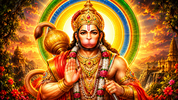
Lord Hanuman
Image credit : Pexels
Another important story explains how Hanuman came to sit on Arjuna’s chariot. One day, Arjuna became proud of his archery skills and questioned why Lord Rama needed an army of monkeys to build a bridge to Lanka during the Ramayana. Arjuna believed he could have built a stronger bridge using only arrows.
Hanuman overheard this and challenged Arjuna. Arjuna created a bridge made of arrows, but Hanuman easily broke it by stepping on it. Arjuna felt deeply embarrassed and prepared to sacrifice himself after losing the challenge. At that moment, Lord Krishna intervened and revealed that divine strength cannot be measured through pride alone. After Arjuna understood his mistake, Hanuman blessed him and promised to remain on his chariot flag during the future war. This promise later became one of the most important spiritual symbols in the Mahabharata.
Krishna Knew Hanuman’s Presence Would Protect Arjuna
One of the biggest reasons Krishna wanted Hanuman on Arjuna’s chariot was protection. The Mahabharata war involved some of the greatest warriors and most destructive celestial weapons ever described in Hindu scriptures. Arjuna faced terrifying enemies such as Karna, Bhishma, Dronacharya, Ashwatthama, and countless powerful kings.
Traditional Hindu interpretations explain that Hanuman’s divine energy protected Arjuna’s chariot from complete destruction multiple times during the war. His spiritual presence acted as a shield against devastating attacks and divine astras used by enemy warriors. Some versions of the Mahabharata tradition state that after the war ended and Krishna stepped down from the chariot, Hanuman also disappeared from the flag. Only then did the chariot immediately burst into flames because it had already absorbed the destructive power of countless celestial weapons during battle. Devotees believe Krishna and Hanuman together had protected Arjuna throughout the war.
Hanuman Represented Courage During the War
Hanuman’s presence also carried psychological and spiritual importance. Hanuman symbolized courage, devotion, fearlessness, and absolute loyalty toward dharma. Seeing Hanuman on the chariot reminded Arjuna constantly of divine strength and spiritual duty during moments of fear and confusion. The Kurukshetra war was not simply a physical battle. It was also a moral and emotional struggle. Arjuna himself became emotionally broken before the war began, leading to the teachings of the Bhagavad Gita by Lord Krishna. Many devotees believe Hanuman’s presence represented unwavering faith during this difficult moment. Just as Hanuman had served Lord Rama with complete devotion in the Ramayana, He now supported Krishna’s mission during the Mahabharata.
The Powerful Link Between Ramayana and Mahabharata
The image of Hanuman on Arjuna’s chariot also created one of Hinduism’s most beautiful spiritual connections between the Ramayana and the Mahabharata. Lord Rama and Lord Krishna are both considered avatars of Lord Vishnu. Hanuman’s devotion toward Rama was eternal, and many traditions believe Hanuman immediately recognized Krishna as the same supreme divine force. This explains why Hanuman willingly supported Krishna during the Mahabharata war. For devotees, this moment symbolized the timeless continuity of dharma across ages. It showed that divine purpose continues beyond one lifetime, one battle, or one era. Hanuman’s presence reminded people that devotion to God remains eternal regardless of the form in which the divine appears.
Hanuman’s Roar Terrified Enemy Warriors
Several traditional retellings also mention that Hanuman occasionally released powerful roars from the chariot flag during battle. These thunderous sounds were believed to terrify enemy soldiers and weaken their confidence. In Hindu belief, Hanuman’s roar symbolized divine power and the destruction of evil forces. The sound itself was considered spiritually powerful because Hanuman represented strength guided by devotion and righteousness. For the Pandavas, Hanuman’s presence became a sign that divine forces supported their cause.
Conclusion
The presence of Lord Hanuman on Arjuna’s chariot during the Mahabharata war remains one of the most spiritually powerful moments in Hindu tradition. It was not merely a symbol placed on a warrior’s flag. It represented divine protection, humility, courage, devotion, and the eternal connection between the Ramayana and the Mahabharata.
Lord Krishna understood that Hanuman’s presence would strengthen Arjuna physically, emotionally, and spiritually during the greatest war of the age. Together, Krishna guiding the chariot and Hanuman protecting it created a powerful image of divine support standing beside dharma. Even today, devotees continue to see Hanuman on Arjuna’s flag as a reminder that true strength comes not from ego or pride, but from devotion, humility, faith, and surrender to divine purpose.
Unlock insightful tips and inspiration on personal growth, productivity, and well-being. Stay motivated and updated with the latest at My Life XP.