Why Naga Sadhus Never Leave This Mysterious Vessel
Noopur Kumari | May 27, 2026, 10:00 IST
The Brahma Patra, also known as the Tumba Patra, is one of the most sacred possessions of Naga Sadhus. Made from a naturally dried vessel, it serves as their water container, food holder, spiritual symbol, and travel companion. Many ascetics believe it carries the blessings of Lord Brahma and represents purity, discipline, and the universe itself. From surviving harsh weather to helping sadhus cross rivers during religious gatherings, this mysterious object has both practical and spiritual importance. This article explores the hidden meaning, beliefs, and fascinating role of the Brahma Patra in the life of Naga Sadhus.

At the crowded ghats of Prayagraj, where smoke rises from sacred fires and chants echo through the air, one object quietly captures everyone’s attention. Hanging beside the ash-covered Naga Sadhus is a strange dry vessel that looks simple from the outside but carries enormous spiritual meaning within. Most people walk past it without understanding its importance. But for Naga Sadhus, this object is more valuable than money, clothes, or comfort. It is called the Brahma Patra. What looks like an ordinary dried pot is actually considered sacred, powerful, and deeply connected to their spiritual life. Its mystery continues to fascinate millions even today.
![Naga Sadhu Holding Brahma Patra Near Sacred Fire]()
For ordinary people, important belongings are stored in homes, lockers, or bags. But Naga Sadhus live with almost no material possessions. That is why the Brahma Patra becomes their entire world in one vessel. Food received as alms, drinking water, and even medicinal herbs are stored inside it. Sadhus carry it everywhere with deep respect because it represents simplicity and detachment from worldly comforts. More than a container, it becomes a silent companion through years of spiritual journeys and harsh penance. This powerful emotional connection is what makes the Brahma Patra far more sacred than people imagine at first glance.
![Traditional Brahma Patra Used By Naga Sadhus]()
The Brahma Patra is usually made from a naturally dried gourd-like vessel known as a tumba. Naga Sadhus believe its origin is spiritually connected to Lord Brahma, the creator of the universe. Because of this belief, they treat it with extraordinary reverence. Interestingly, the vessel is naturally hard and slightly bitter, which protects it from animals and damage. Sadhus see this as nature’s own design for survival. Unlike modern containers filled with artificial materials, the Brahma Patra remains completely natural. Its raw appearance reflects the ascetic lifestyle itself simple, strong, and free from unnecessary decoration or luxury.
Naga Sadhus do not treat the Brahma Patra like an ordinary object. It is never placed in dirty or impure spaces. While sleeping, many sadhus keep it beside them or hang it carefully on a trident or wooden staff. Some even believe that if the Brahma Patra breaks unexpectedly, it signals bad luck or spiritual imbalance. In such situations, special rituals or penance may be performed before replacing it. These beliefs transform the vessel into something deeply emotional and sacred. For the sadhus, it becomes a symbol of discipline, devotion, and continuous spiritual awareness throughout their difficult ascetic life.
Beyond spirituality, the Brahma Patra also serves important practical purposes. It is extremely light and naturally floats on water, making it useful while bathing or crossing rivers during religious gatherings like the Kumbh Mela. Sadhus often travel long distances without modern support, so carrying lightweight and durable items becomes essential. Many also believe water stored inside the vessel stays naturally cool and pure. Some yoga practitioners even claim it supports digestion and body balance during fasting. This unique combination of spiritual faith and practical usefulness is what makes the Brahma Patra so extraordinary in the life of wandering ascetics.
In recent years, the Brahma Patra has attracted huge curiosity online and during spiritual festivals. People filming Naga Sadhus often notice the mysterious hanging vessel and wonder about its purpose. For modern society surrounded by luxury and constant consumption, the simplicity of the Brahma Patra feels surprisingly powerful. It represents a lifestyle where survival depends on discipline rather than possessions. That contrast fascinates viewers deeply. But while social media may see it as mysterious or exotic, Naga Sadhus continue to view it with humility and devotion. For them, the Brahma Patra is not a trend it is a sacred extension of their spiritual identity.
Unlock insightful tips and inspiration on personal growth, productivity, and well-being. Stay motivated and updated with the latest at My Life XP.
1. What is a Brahma Patra?
The Brahma Patra is a sacred vessel used by Naga Sadhus. It is usually made from a naturally dried gourd-like fruit and is considered both spiritual and practical in daily ascetic life.
2. Why is it called Brahma Patra?
Naga Sadhus believe the vessel is connected to Lord Brahma, the creator of the universe. Because of this spiritual association, it is respectfully called Brahma Patra.
3. What is another name for Brahma Patra?
It is also commonly known as Tumba Patra because it is made from a dried tumba or gourd vessel.
4. Why is the Brahma Patra important to Naga Sadhus?
The Brahma Patra acts as a water container, food holder, travel companion, and spiritual symbol. Since Naga Sadhus live with minimal possessions, it becomes an essential part of their lifestyle.
5. What do Naga Sadhus keep inside the Brahma Patra?
They often store water, food received through alms, herbs, and small essential items inside the vessel during travel and meditation.
The Sacred Vessel That Defines A Sadhu’s Life

Naga Sadhu Holding Brahma Patra Near Sacred Fire
For ordinary people, important belongings are stored in homes, lockers, or bags. But Naga Sadhus live with almost no material possessions. That is why the Brahma Patra becomes their entire world in one vessel. Food received as alms, drinking water, and even medicinal herbs are stored inside it. Sadhus carry it everywhere with deep respect because it represents simplicity and detachment from worldly comforts. More than a container, it becomes a silent companion through years of spiritual journeys and harsh penance. This powerful emotional connection is what makes the Brahma Patra far more sacred than people imagine at first glance.
Why It Is Called The Brahma Patra
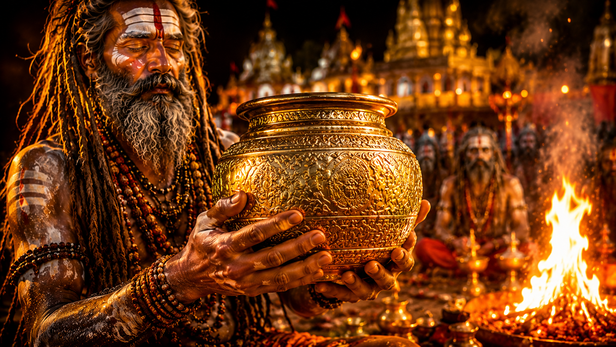
Traditional Brahma Patra Used By Naga Sadhus
The Brahma Patra is usually made from a naturally dried gourd-like vessel known as a tumba. Naga Sadhus believe its origin is spiritually connected to Lord Brahma, the creator of the universe. Because of this belief, they treat it with extraordinary reverence. Interestingly, the vessel is naturally hard and slightly bitter, which protects it from animals and damage. Sadhus see this as nature’s own design for survival. Unlike modern containers filled with artificial materials, the Brahma Patra remains completely natural. Its raw appearance reflects the ascetic lifestyle itself simple, strong, and free from unnecessary decoration or luxury.
The Belief That Makes It Spiritually Powerful
The Practical Secret Behind Its Importance
Why Modern People Are Suddenly Curious About It
Unlock insightful tips and inspiration on personal growth, productivity, and well-being. Stay motivated and updated with the latest at My Life XP.
Frequently Asked Questions (FAQs)
The Brahma Patra is a sacred vessel used by Naga Sadhus. It is usually made from a naturally dried gourd-like fruit and is considered both spiritual and practical in daily ascetic life.
2. Why is it called Brahma Patra?
Naga Sadhus believe the vessel is connected to Lord Brahma, the creator of the universe. Because of this spiritual association, it is respectfully called Brahma Patra.
3. What is another name for Brahma Patra?
It is also commonly known as Tumba Patra because it is made from a dried tumba or gourd vessel.
4. Why is the Brahma Patra important to Naga Sadhus?
The Brahma Patra acts as a water container, food holder, travel companion, and spiritual symbol. Since Naga Sadhus live with minimal possessions, it becomes an essential part of their lifestyle.
5. What do Naga Sadhus keep inside the Brahma Patra?
They often store water, food received through alms, herbs, and small essential items inside the vessel during travel and meditation.