Why This Rare Ganesha-Hanuman Idol Is So Unique
Noopur Kumari | Jul 06, 2026, 13:00 IST
Rare temple traditions across India sometimes preserve unique forms of worship that are unfamiliar to many devotees. One such tradition features a combined idol of Lord Ganesha and Lord Hanuman. While this form is not widely described in mainstream scriptures, devotees see it as a powerful reminder that every spiritual journey begins with wisdom and moves forward through devotion, courage, and selfless service.

At first glance, it looks impossible. One side of the idol resembles Lord Ganesha, while the other reflects Lord Hanuman. Two of Hinduism's most beloved deities appear united in a single divine form. Most visitors pause, look again, and ask the same question: Why were these two gods carved into one idol? The answer lies not only in devotion but also in a beautiful spiritual message that has fascinated devotees for generations in the temples where this tradition is found.
A
![Rare Combined Idol of Lord Ganesha and Lord Hanuman]()
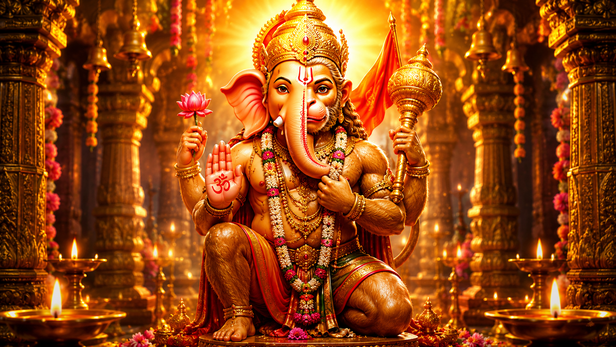
Most Hindu temples enshrine separate idols of different deities. That is why this combined form immediately captures attention. One face reflects the peaceful wisdom of Lord Ganesha, while the other symbolizes the unwavering devotion and strength of Lord Hanuman. Whether visitors arrive out of faith or curiosity, the idol naturally invites them to explore the deeper meaning behind this unusual artistic and devotional tradition.
![Symbolic Union of Wisdom and Devotion]()
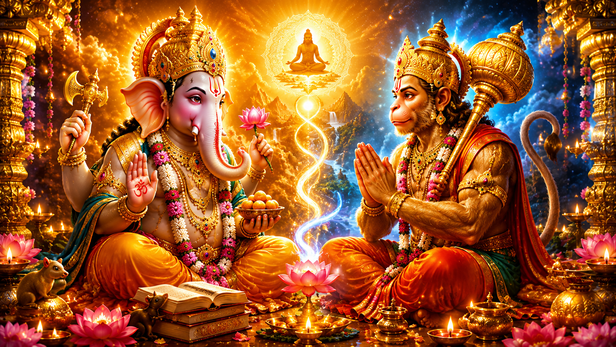
According to local devotional traditions, the two deities together represent complementary spiritual qualities. Lord Ganesha is traditionally worshipped at the beginning of auspicious activities as the remover of obstacles, while Lord Hanuman represents courage, discipline, and unwavering devotion. Placing them in one form symbolically reminds devotees that wisdom should guide every beginning, while faith and determination carry us through life's journey.
In Hindu tradition, Lord Ganesha is invoked before starting important work. His presence symbolizes removing obstacles, gaining knowledge, and beginning with the right intention. The first half of this combined idol reflects that timeless teaching. Before seeking success or achievement, devotees are encouraged to develop patience, wisdom, and humility. These qualities create a strong foundation for every spiritual and personal journey.
The second face of the idol represents Lord Hanuman, whose greatest strength was never physical power alone but his complete devotion to Lord Rama. Hanuman teaches that courage without ego becomes service, and strength without pride becomes protection. His presence in the combined form reminds devotees that wisdom alone is incomplete unless it is supported by discipline, humility, and unwavering faith.
Whether or not this form appears in major scriptures, its symbolism resonates deeply with many devotees. The idol encourages balance between thoughtful decision-making and courageous action. Wisdom helps us choose the right path, while devotion gives us the strength to remain committed even during difficult times. Together, these qualities form a complete spiritual approach to life.
India's spiritual heritage includes countless regional traditions that enrich its religious landscape. Some temples preserve unique forms of worship, artistic expressions, and local legends passed down through generations. While not every tradition appears in major scriptures, these practices continue to inspire faith and devotion among local communities. They remind us that spirituality is often expressed in many beautiful and meaningful ways.
The true beauty of this rare idol is not simply that it combines two divine forms. Its lasting message lies in the values it encourages. Begin every journey with wisdom like Lord Ganesha. Face every challenge with courage and devotion like Lord Hanuman. When knowledge leads your mind and faith strengthens your heart, every step becomes more purposeful. Perhaps that is the deepest blessing this extraordinary idol quietly offers every devotee who stands before it.
Unlock insightful tips and inspiration on personal growth, productivity, and well-being. Stay motivated and updated with the latest at My Life XP.
1. What is the significance of the combined Ganesha and Hanuman idol?
The combined idol is regarded in some regional temple traditions as a symbolic representation of wisdom and devotion. Lord Ganesha represents auspicious beginnings and the removal of obstacles, while Lord Hanuman symbolizes strength, humility, and unwavering devotion.
2. Is the Ganesha-Hanuman combined idol mentioned in Hindu scriptures?
There is no widely accepted reference in the major Hindu scriptures, such as the Vedas, Puranas, or Ramayana, describing this specific combined form. It is generally associated with local temple traditions and regional devotional practices.
3. Why is Lord Ganesha shown on one side of the idol?
According to traditional Hindu practice, Lord Ganesha is worshipped before beginning any auspicious task. In this combined form, his presence symbolizes starting every journey with wisdom, clarity, and divine blessings.
4. Why is Lord Hanuman represented on the other side?
Lord Hanuman represents courage, selfless service, discipline, and unwavering devotion to Lord Rama. His presence in the idol reminds devotees that true strength is guided by humility and faith
A Rare Idol That Immediately Raises Questions
Rare Combined Idol of Lord Ganesha and Lord Hanuman
Most Hindu temples enshrine separate idols of different deities. That is why this combined form immediately captures attention. One face reflects the peaceful wisdom of Lord Ganesha, while the other symbolizes the unwavering devotion and strength of Lord Hanuman. Whether visitors arrive out of faith or curiosity, the idol naturally invites them to explore the deeper meaning behind this unusual artistic and devotional tradition.
Why Are Ganesha and Hanuman Together?
Symbolic Union of Wisdom and Devotion
According to local devotional traditions, the two deities together represent complementary spiritual qualities. Lord Ganesha is traditionally worshipped at the beginning of auspicious activities as the remover of obstacles, while Lord Hanuman represents courage, discipline, and unwavering devotion. Placing them in one form symbolically reminds devotees that wisdom should guide every beginning, while faith and determination carry us through life's journey.
The Spiritual Journey Begins With Wisdom
Strength Finds Its Purpose Through Devotion
One Idol, One Powerful Life Lesson
Faith Often Lives Through Local Traditions
The Idol Invites Reflection Beyond Curiosity
Unlock insightful tips and inspiration on personal growth, productivity, and well-being. Stay motivated and updated with the latest at My Life XP.
Frequently Asked Questions (FAQs)
The combined idol is regarded in some regional temple traditions as a symbolic representation of wisdom and devotion. Lord Ganesha represents auspicious beginnings and the removal of obstacles, while Lord Hanuman symbolizes strength, humility, and unwavering devotion.
2. Is the Ganesha-Hanuman combined idol mentioned in Hindu scriptures?
There is no widely accepted reference in the major Hindu scriptures, such as the Vedas, Puranas, or Ramayana, describing this specific combined form. It is generally associated with local temple traditions and regional devotional practices.
3. Why is Lord Ganesha shown on one side of the idol?
According to traditional Hindu practice, Lord Ganesha is worshipped before beginning any auspicious task. In this combined form, his presence symbolizes starting every journey with wisdom, clarity, and divine blessings.
4. Why is Lord Hanuman represented on the other side?
Lord Hanuman represents courage, selfless service, discipline, and unwavering devotion to Lord Rama. His presence in the idol reminds devotees that true strength is guided by humility and faith