Why Touching Elders’ Feet Is More Powerful Than You Think
Ashi goyal , Ashi Goyal | Feb 09, 2026, 22:35 IST
Touching elders’ feet is more than a cultural ritual it is a practice rooted in spiritual psychology, energy exchange, humility, and emotional well-being. Ancient traditions and modern science together explain why this gesture holds lasting value.

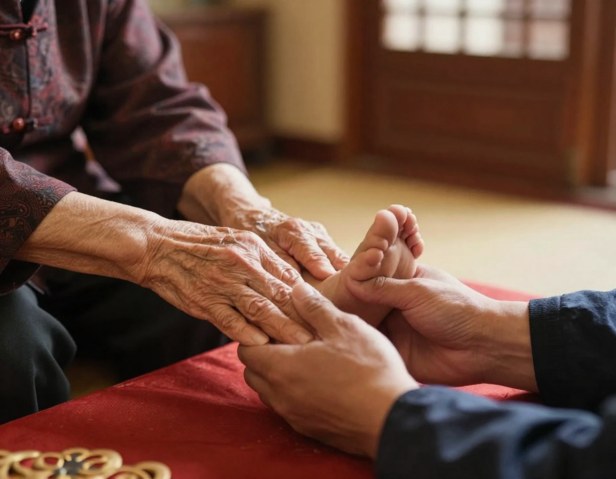
In many cultures especially in India touching elders’ feet is seen as a sign of respect. But this ancient practice goes far beyond tradition or obedience. Rooted in spiritual science, psychology, and human energy systems, the act is believed to transfer wisdom, calm the mind, and strengthen emotional bonds. Here are five real and meaningful reasons behind this powerful gesture :-
![touching elders feet]()
According to spiritual philosophy, elders carry life experience, stability, and positive vibrations. When a younger person bows and touches their feet, it creates an energy flow from the elder to the seeker.
• Elders bless from the heart
• The act grounds the mind
• Positive emotions are exchanged
This is why blessings after touching feet feel calming and reassuring.
![touching elders feet]()
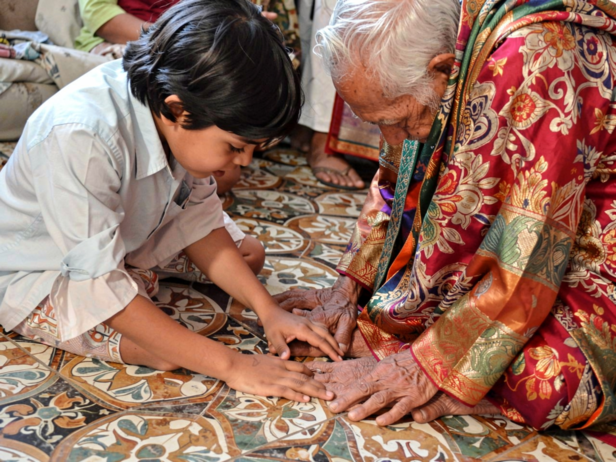
From a psychological perspective, the act of bowing activates humility, which reduces ego-driven stress.
Studies in behavioral science show that:
• Humility lowers anxiety
• Respectful gestures improve emotional intelligence
• Calm behavior improves mental clarity
Touching feet symbolically reminds the brain that learning and growth require openness.
This practice helps build emotional connection between generations.
• Elders feel valued and respected
• Younger individuals develop empathy
• Family harmony increases
Strong social bonds are directly linked to better mental and emotional health.
Bending down and touching feet physically brings the body closer to the ground, which has a grounding effect.
Benefits include:
• Improved focus
• Reduced mental restlessness
• Increased mindfulness
Many meditation practices also emphasize grounding for mental stability.
Spiritually, touching elders’ feet is an act of gratitude acknowledging the struggles, sacrifices, and lessons passed down through generations.
Gratitude has been scientifically proven to:
• Improve mood
• Reduce depression
• Increase overall life satisfaction
touching elders feet
1. Exchange of Positive Energy and Blessings
• Elders bless from the heart
• The act grounds the mind
• Positive emotions are exchanged
This is why blessings after touching feet feel calming and reassuring.
2. Humility Triggers Emotional Balance in the Brain
touching elders feet
From a psychological perspective, the act of bowing activates humility, which reduces ego-driven stress.
Studies in behavioral science show that:
• Humility lowers anxiety
• Respectful gestures improve emotional intelligence
• Calm behavior improves mental clarity
Touching feet symbolically reminds the brain that learning and growth require openness.
3. Strengthens Intergenerational Bonding
• Elders feel valued and respected
• Younger individuals develop empathy
• Family harmony increases
Strong social bonds are directly linked to better mental and emotional health.
4. Grounding the Body and Mind
Benefits include:
• Improved focus
• Reduced mental restlessness
• Increased mindfulness
Many meditation practices also emphasize grounding for mental stability.
5. Symbol of Gratitude for Life Wisdom
Gratitude has been scientifically proven to:
• Improve mood
• Reduce depression
• Increase overall life satisfaction
- Is touching elders’ feet only a religious practice?
No. It has spiritual, psychological, and social benefits beyond religion. - Why do elders give blessings after?
Blessings reinforce emotional reassurance and positive affirmation. - Is this practice still relevant today?
Absolutely. Respect and gratitude are timeless values.