5 Everyday Problems AI Is Already Solving Better Than Expected
Palak Khanna | Jun 22, 2026, 17:11 IST
Artificial intelligence is no longer a futuristic concept reserved for laboratories and tech companies. It has quietly woven itself into daily life, helping people save time, reduce stress, and make smarter decisions. From managing overflowing inboxes to improving healthcare access, AI is solving ordinary problems in ways many people barely notice. Here are five everyday challenges that artificial intelligence is handling far better than most expected.

For years, artificial intelligence was imagined as something distant, associated with robots, self-driving cars, and science fiction movies. Today, it has become an invisible assistant working behind screens, apps, and devices we use every day. Many people still think AI is only useful for programmers or large corporations. In reality, it is helping students organize schedules, enabling doctors to spot diseases earlier, assisting travelers in avoiding traffic jams, and even reducing food waste at home. Its biggest success lies not in replacing humans but in making daily life smoother and less overwhelming.
![Inbox to In Control: How AI Is Organizing Our Digital Lives]()
Modern life is flooded with notifications, messages, and endless emails. For professionals, students, and business owners, staying organized often feels like a second job. AI-powered email systems have become surprisingly effective at sorting important messages, identifying spam, prioritizing urgent communication, and suggesting quick responses. Virtual assistants can schedule meetings, set reminders, and summarize long email threads in seconds. Instead of spending an hour cleaning up an inbox, many users now complete the same task in minutes. The real advantage is not just efficiency. It also reduces mental fatigue caused by constantly switching between tasks. People who once dreaded opening their inboxes are finding that AI acts like a quiet personal secretary that never takes a day off.
![Smarter Diagnoses, Better Outcomes: AI's Growing Role in Healthcare]()
One of the most meaningful applications of artificial intelligence is in healthcare. Medical professionals increasingly rely on AI systems to analyze scans, detect abnormalities, and assist in diagnosing diseases. AI tools can review thousands of medical images far faster than a human can and identify subtle patterns that may indicate conditions such as certain cancers, eye disorders, or heart problems. This technology does not replace doctors. Instead, it provides another layer of support, helping specialists make more informed decisions. For patients, earlier detection often means quicker treatment, better outcomes, and greater peace of mind. In many parts of the world where medical resources are stretched thin, AI is helping bridge gaps in healthcare access.
Anyone who has spent hours stuck in traffic knows how frustrating commuting can be. Artificial intelligence has quietly transformed navigation systems into highly intelligent travel companions. Today's mapping applications analyze live traffic conditions, road closures, weather patterns, and historical travel data to recommend the fastest routes. AI can predict congestion before drivers even encounter it and suggest alternate roads in real time. Some systems are also helping cities manage traffic lights more efficiently, reducing bottlenecks during peak hours. These improvements may seem small on an individual level, but collectively they save millions of hours every year while reducing fuel consumption and vehicle emissions. The result is not necessarily empty roads, but smarter journeys that help people spend less time staring at brake lights.
Food waste remains a major global challenge, but artificial intelligence is beginning to tackle the problem in surprisingly practical ways. Smart refrigerators, grocery apps, and meal planning tools now use AI to monitor expiration dates, suggest recipes based on available ingredients, and recommend shopping lists tailored to household habits. Instead of discovering wilted vegetables hidden at the back of the fridge, families receive reminders to use ingredients before they spoil. Restaurants and supermarkets are also adopting AI systems to predict customer demand more accurately, preventing overproduction and unnecessary waste. For consumers, this translates into lower grocery bills and more mindful eating habits. It also contributes to broader environmental goals by reducing the amount of food that ends up in landfills.
Traveling abroad, attending international meetings, or communicating with people from different countries used to require extensive language skills or expensive translators. AI-powered translation tools have improved dramatically over the past few years. They can now translate spoken conversations, text messages, menus, and documents almost instantly. Students can access educational resources written in foreign languages, tourists can confidently navigate unfamiliar destinations, and businesses can connect with clients around the world. Although these systems are not flawless, their ability to facilitate human connection has exceeded expectations. For many users, AI translation tools have transformed moments of anxiety and confusion into opportunities for meaningful interaction.
![From Kitchen Counters to City Streets: AI at Work in Everyday Life]()
Artificial intelligence may still inspire debates about jobs, privacy, and ethics, but its everyday contributions are becoming impossible to ignore. The most successful AI systems are not necessarily humanoid robots or futuristic inventions. They are the invisible helpers that organize our schedules, guide us through traffic, support doctors, reduce waste, and help us understand one another. As AI continues to evolve, its greatest impact will likely come from solving ordinary frustrations that once seemed unavoidable. Rather than replacing human experiences, it has the potential to make daily life more efficient, connected, and less stressful for millions of people around the world.
Unlock insightful tips and inspiration on personal growth, productivity, and well-being. Stay motivated and updated with the latest at My Life XP.
Taming the Chaos of Emails and Digital Overload

Inbox to In Control: How AI Is Organizing Our Digital Lives
Modern life is flooded with notifications, messages, and endless emails. For professionals, students, and business owners, staying organized often feels like a second job. AI-powered email systems have become surprisingly effective at sorting important messages, identifying spam, prioritizing urgent communication, and suggesting quick responses. Virtual assistants can schedule meetings, set reminders, and summarize long email threads in seconds. Instead of spending an hour cleaning up an inbox, many users now complete the same task in minutes. The real advantage is not just efficiency. It also reduces mental fatigue caused by constantly switching between tasks. People who once dreaded opening their inboxes are finding that AI acts like a quiet personal secretary that never takes a day off.
Helping Doctors Detect Health Issues Earlier
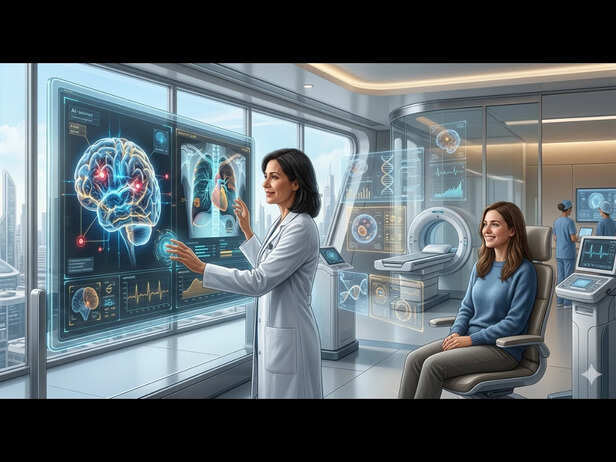
Smarter Diagnoses, Better Outcomes: AI's Growing Role in Healthcare
One of the most meaningful applications of artificial intelligence is in healthcare. Medical professionals increasingly rely on AI systems to analyze scans, detect abnormalities, and assist in diagnosing diseases. AI tools can review thousands of medical images far faster than a human can and identify subtle patterns that may indicate conditions such as certain cancers, eye disorders, or heart problems. This technology does not replace doctors. Instead, it provides another layer of support, helping specialists make more informed decisions. For patients, earlier detection often means quicker treatment, better outcomes, and greater peace of mind. In many parts of the world where medical resources are stretched thin, AI is helping bridge gaps in healthcare access.
Making Traffic Jams Slightly Less Miserable
Reducing Food Waste at Home
Breaking Language Barriers in Real Time
The Most Powerful AI Is Often the One We Barely Notice
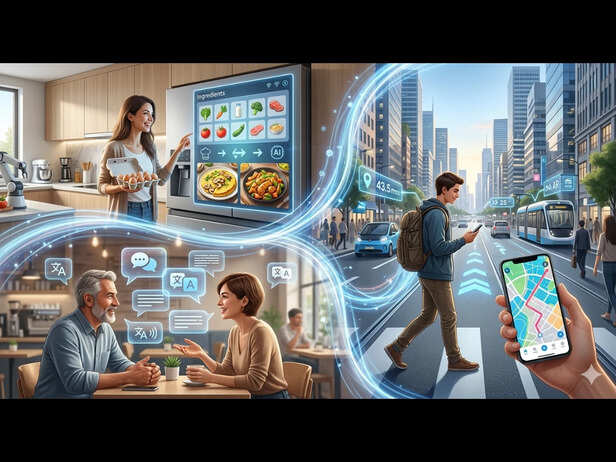
From Kitchen Counters to City Streets: AI at Work in Everyday Life
Artificial intelligence may still inspire debates about jobs, privacy, and ethics, but its everyday contributions are becoming impossible to ignore. The most successful AI systems are not necessarily humanoid robots or futuristic inventions. They are the invisible helpers that organize our schedules, guide us through traffic, support doctors, reduce waste, and help us understand one another. As AI continues to evolve, its greatest impact will likely come from solving ordinary frustrations that once seemed unavoidable. Rather than replacing human experiences, it has the potential to make daily life more efficient, connected, and less stressful for millions of people around the world.
Unlock insightful tips and inspiration on personal growth, productivity, and well-being. Stay motivated and updated with the latest at My Life XP.