How Hanuman Ji Transformed a Lost Soul into a King
Noopur Kumari | Jun 22, 2026, 07:00 IST
What makes this chaupai so special? Why does Tulsidas Ji mention Sugriva immediately after describing Hanuman Ji’s immeasurable glory? And what hidden message does it contain for ordinary people struggling with fear, confusion, and self-doubt? The answer is both inspiring and life-changing. This verse teaches that true greatness is not measured by power or wealth but by the ability to uplift others. Through Sugriva's story, Tulsidas Ji shows how divine guidance can transform even the most broken soul into a leader. Let's uncover the deeper meaning hidden within these sacred words.

Many people recite the Hanuman Chalisa every day, but very few pause to understand the profound wisdom hidden within its verses. One such line is: "Tum Upkar Sugrivahin Keenha, Ram Milaye Rajpad Deenha." At first glance, it appears to describe Hanuman Ji's help to Sugriva. But beneath these simple words lies a timeless lesson about faith, transformation, and divine guidance. This chaupai reveals not only Hanuman Ji's greatness but also a powerful roadmap for anyone seeking purpose, strength, and spiritual growth.
![The Infinite Glory of Hanuman Ji]()
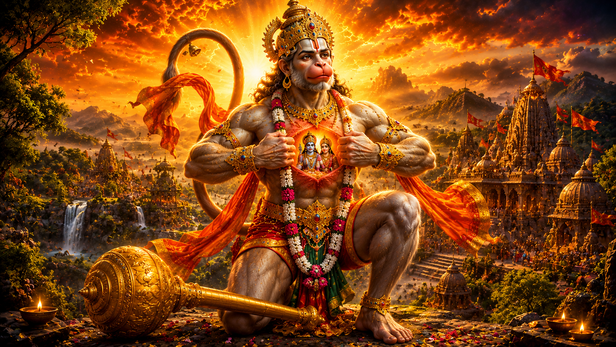
The verses before this chaupai explain that even powerful celestial beings like Kubera, guardians of the directions, scholars, poets, and divine beings cannot fully describe Hanuman Ji's greatness. This is not because they lack knowledge, but because Hanuman Ji’s devotion to Lord Ram is beyond ordinary understanding. Tulsidas Ji creates a striking contrast here. After describing an immeasurable greatness that words cannot capture, he immediately points to a simple act of kindness. Through this contrast, we learn that true spiritual greatness often reveals itself through humble service rather than grand displays of power.
![Sugriva in Exile]()
Before meeting Hanuman Ji, Sugriva was not a king enjoying power and respect. He was living in fear, separated from his kingdom and constantly threatened by his brother Vali. His confidence was shattered, and his future seemed uncertain. Like many people today, Sugriva had forgotten his own potential because his struggles had become larger than his hope. Tulsidas Ji uses Sugriva's story because it reflects the condition of countless individuals who feel trapped by circumstances. Sometimes the biggest obstacle is not the situation itself but losing faith in our own ability to rise above it.
The turning point came when Hanuman Ji introduced Sugriva to Lord Ram. This was far more than a simple meeting. It was the connection between a lost soul and divine purpose. Hanuman Ji recognized what Sugriva could not see in himself. Through wisdom, humility, and devotion, he created a bridge that would forever alter Sugriva’s life. This moment teaches a profound lesson: sometimes transformation begins not with a miracle but with meeting the right guide. Hanuman Ji became the catalyst that helped Sugriva move from fear to faith and from uncertainty to strength.
The Real Meaning Behind “Ram Milaye”
Most people interpret "Ram Milaye" as simply introducing Sugriva to Lord Ram. Spiritually, however, the meaning goes much deeper. Lord Ram symbolizes truth, righteousness, and divine consciousness. Hanuman Ji represents the force that connects the individual soul with these higher values. Tulsidas Ji suggests that when devotion enters our lives, it leads us toward wisdom and purpose. Just as Sugriva found direction through Lord Ram, every person can discover clarity when guided by faith. The verse reminds us that genuine transformation begins when we align ourselves with truth and higher principles.
The phrase "Rajpad Deenha" literally means that Sugriva regained his kingdom. Yet the deeper symbolism is equally powerful. The throne represents self-mastery, confidence, and the restoration of inner authority. Sugriva's greatest victory was not merely becoming king again; it was overcoming fear and reclaiming his rightful identity. Many people surrender control of their lives to anxiety, doubt, or external pressures. Through Sugriva's story, Tulsidas Ji reminds us that spiritual growth helps us regain command over our thoughts, decisions, and destiny.
The story of Sugriva is surprisingly relevant today. People often feel overwhelmed by career pressures, relationships, failures, and uncertainty about the future. Like Sugriva, they may feel disconnected from their true strengths. Hanuman Ji's example teaches that guidance, devotion, and perseverance can transform even the darkest situations. Instead of focusing solely on problems, we must seek wisdom, build faith, and remain open to opportunities for growth. The chaupai reminds us that no matter how difficult life becomes, transformation remains possible when we embrace the right path.
What Tulsidas Ji Wants Us to Remember
The most beautiful message of this chaupai is that Hanuman Ji used his extraordinary power not for personal gain but to uplift another soul. Despite possessing immeasurable strength and wisdom, he chose service over recognition. Tulsidas Ji highlights Sugriva's story to show that true greatness is measured by how many lives we elevate. Every act of guidance, support, and compassion reflects the spirit of Hanuman Ji. The verse encourages us to become instruments of positive change, helping others reconnect with their own strength, purpose, and potential.
Unlock insightful tips and inspiration on personal growth, productivity, and well-being. Stay motivated and updated with the latest at My Life XP.
1. What is the meaning of "Tum Upkar Sugrivahin Keenha, Ram Milaye Rajpad Deenha"?
This chaupai from the Hanuman Chalisa means that Hanuman Ji helped Sugriva by introducing him to Lord Ram and ultimately assisting him in regaining his kingdom. It symbolizes how divine guidance can transform a person's destiny.
2. Why is Sugriva mentioned in this Hanuman Chalisa verse?
Sugriva is mentioned because his life changed completely after meeting Lord Ram through Hanuman Ji. Tulsidas Ji uses his story as an example of how faith, devotion, and proper guidance can help overcome fear and adversity.
3. What does "Ram Milaye" signify spiritually?
Spiritually, "Ram Milaye" represents connecting the individual soul with truth, righteousness, and divine wisdom. Hanuman Ji acts as the bridge that leads devotees toward a higher purpose and spiritual growth.
4. What is the deeper meaning of "Rajpad Deenha"?
While it literally refers to Sugriva regaining his throne, symbolically it represents reclaiming self-confidence, inner strength, leadership, and control over one's life after a period of struggle.
5. Why does Tulsidas Ji highlight Hanuman Ji’s help to Sugriva?
Tulsidas Ji highlights this event to demonstrate that true greatness lies in uplifting others. Despite possessing immense power, Hanuman Ji chose selfless service and helped Sugriva rediscover his purpose and potential.
When Greatness Becomes Impossible to Describe

The Infinite Glory of Hanuman Ji
The verses before this chaupai explain that even powerful celestial beings like Kubera, guardians of the directions, scholars, poets, and divine beings cannot fully describe Hanuman Ji's greatness. This is not because they lack knowledge, but because Hanuman Ji’s devotion to Lord Ram is beyond ordinary understanding. Tulsidas Ji creates a striking contrast here. After describing an immeasurable greatness that words cannot capture, he immediately points to a simple act of kindness. Through this contrast, we learn that true spiritual greatness often reveals itself through humble service rather than grand displays of power.
The Forgotten King Living in Fear
Sugriva in Exile
Before meeting Hanuman Ji, Sugriva was not a king enjoying power and respect. He was living in fear, separated from his kingdom and constantly threatened by his brother Vali. His confidence was shattered, and his future seemed uncertain. Like many people today, Sugriva had forgotten his own potential because his struggles had become larger than his hope. Tulsidas Ji uses Sugriva's story because it reflects the condition of countless individuals who feel trapped by circumstances. Sometimes the biggest obstacle is not the situation itself but losing faith in our own ability to rise above it.
The Meeting That Changed Everything
The Real Meaning Behind “Ram Milaye”
Why the Throne Represents More Than Power
The Hidden Lesson for Modern Life
What Tulsidas Ji Wants Us to Remember
Unlock insightful tips and inspiration on personal growth, productivity, and well-being. Stay motivated and updated with the latest at My Life XP.
Frequently Asked Questions (FAQs)
This chaupai from the Hanuman Chalisa means that Hanuman Ji helped Sugriva by introducing him to Lord Ram and ultimately assisting him in regaining his kingdom. It symbolizes how divine guidance can transform a person's destiny.
2. Why is Sugriva mentioned in this Hanuman Chalisa verse?
Sugriva is mentioned because his life changed completely after meeting Lord Ram through Hanuman Ji. Tulsidas Ji uses his story as an example of how faith, devotion, and proper guidance can help overcome fear and adversity.
3. What does "Ram Milaye" signify spiritually?
Spiritually, "Ram Milaye" represents connecting the individual soul with truth, righteousness, and divine wisdom. Hanuman Ji acts as the bridge that leads devotees toward a higher purpose and spiritual growth.
4. What is the deeper meaning of "Rajpad Deenha"?
While it literally refers to Sugriva regaining his throne, symbolically it represents reclaiming self-confidence, inner strength, leadership, and control over one's life after a period of struggle.
5. Why does Tulsidas Ji highlight Hanuman Ji’s help to Sugriva?
Tulsidas Ji highlights this event to demonstrate that true greatness lies in uplifting others. Despite possessing immense power, Hanuman Ji chose selfless service and helped Sugriva rediscover his purpose and potential.