The instinct is to sort the vaccines the week before you fly, alongside the travel insurance and the foreign exchange. It feels logical, vaccines are a formality, a stamp in a booklet, a box to tick. The biology does not cooperate with that timeline.
Immunity is not immediate. The body needs time to read a vaccine, build a response, and consolidate that response into something durable. For some diseases, that process takes days. For others, it takes several weeks, and a few vaccines require more than one dose to work at all, with the doses spaced apart by design. Leaving the vaccination appointment until the week of travel is not cutting it fine. For several destinations, it means leaving without protection that actually functions.
Some Vaccines Are a Course, Not a Single Shot
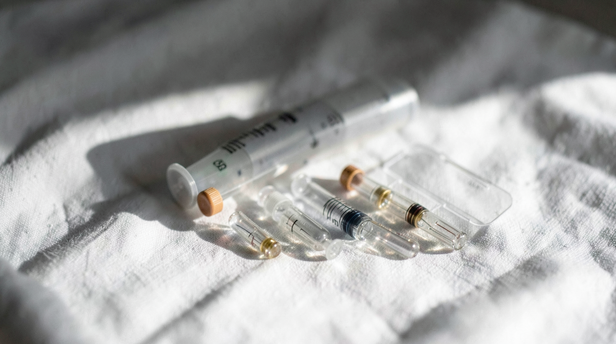
![Medical vials and syringe]()
Medical vials and syringe
Image credit : MyLifeXP Bureau
The hepatitis B vaccine is a standard example. Full protection requires three doses: the first, a second one month later, a third six months after that. An accelerated schedule exists, some clinics offer a compressed version over three to four weeks, but even the accelerated version cannot be completed in a single appointment. A traveller who walks into a clinic five days before departure and asks for hepatitis B cover is walking out with one dose and no functional immunity for the trip.
Japanese encephalitis, relevant for rural travel across parts of South and Southeast Asia, also requires two doses, given at least a week apart, with full immunity taking effect a week after the second dose. That is a minimum of three weeks from first appointment to working protection. Rabies pre-exposure prophylaxis follows a similar pattern: three doses over three to four weeks. None of these are obscure vaccines for unusual destinations, they come up in standard pre-travel consultations for popular routes.
Even Single-Dose Vaccines Need a Head Start
Yellow fever is a single injection, but the International Health Regulations require ten days before the certificate is considered valid at a border. Some countries will turn travellers away or quarantine them if the certificate is dated fewer than ten days before arrival. This is not a technicality that gets waived at the gate. It is a legal entry requirement, enforced at the point of arrival.
Typhoid, available as either an injection or an oral course, needs time to build protection regardless of form. The oral version is a course of capsules taken on alternate days over a week, with immunity developing in the days that follow. Neither form is effective if taken the day before exposure begins.
Even the seasonal flu vaccine, which travellers to certain destinations are advised to take, requires roughly two weeks to produce a meaningful immune response. The body's antibody production does not accelerate because the flight is booked.
The Destination Determines the List, and the List Determines the Timeline
![Journey's Beginning]()
Journey's Beginning
Image credit : MyLifeXP Bureau
There is no universal vaccination schedule for travel. The diseases that matter depend on where you are going, what you will be doing there, and how long you will stay. Rural itineraries carry different risks than urban ones. A trek through forested areas in a monsoon-prone region raises the rabies and Japanese encephalitis conversation in a way that a city hotel stay does not. A river journey raises hepatitis A and typhoid. A medical or humanitarian trip raises the baseline for almost everything.
This means the first step is not booking a vaccine appointment. It is knowing enough about the itinerary to have an informed conversation with a travel health clinic or a doctor who can look at the specific route. That conversation, and the appointments that follow from it, takes time. A destination with three or four recommended vaccines, each with its own schedule, can require six to eight weeks of lead time from first appointment to full protection before departure.
Existing Immunity and Childhood Records Matter
Some vaccines travellers need are updates to doses already received in childhood, not new courses. Tetanus, diphtheria, and polio boosters are commonly needed after a gap of ten years. Hepatitis A is often partially covered from childhood vaccination in some countries, and a single booster may be sufficient rather than a full course. Checking vaccination records before the clinic appointment saves time and sometimes money, and it changes the timeline, because a booster takes effect faster than a primary course.
Travellers who cannot locate their childhood records should tell the clinic. A blood test can check immunity levels for some diseases. For others, repeating the vaccine is considered safe even if some immunity already exists, and the clinic will advise accordingly.
What Happens When the Timeline Has Already Slipped
A traveller who realises with two weeks to go that they have not started the process is not without options, but the options are narrower. A travel health clinic can prioritise the vaccines that matter most for the specific destination and offer accelerated schedules where they exist. Some protection is better than none, and a partial course of hepatitis B, for instance, still offers some defence even if the full course cannot be completed before departure.
The honest answer a clinic will give is that some of the protection simply cannot be compressed into two weeks. The body's immune timeline is fixed. What the clinic can do is make sure the traveller understands exactly what cover they have and what they are travelling without, so the decisions made on the ground, about food, about water, about animal contact, about medical access, are made with accurate information rather than a false sense of being covered.
The vaccines are not the formality. The time to build immunity from them is the part that cannot be rushed, and that is what the schedule is actually protecting.
Unlock insightful tips and inspiration on personal growth, productivity, and well-being. Stay motivated and updated with the latest at
My Life XP.