January Acne vs Hormonal Acne: How to Tell the Difference
Pragya Paliwal | 30ec 30, 2025, 15:23 IST
Acne breakouts in January are common but often misread as hormonal acne. This article explains how lifestyle changes during the festive season, late nights, alcohol, heavy makeup, winter dehydration, and disrupted skincare routines can trigger temporary January acne that looks similar to hormonal breakouts. It highlights the key differences between the two based on causes, appearance, duration, and location on the face, while also offering clear, practical guidance on how to treat each type without damaging the skin barrier.

The New Year begins with fresh resolutions, winter chills and for many people, an unexpected acne breakout. As mirrors start showing new pimples in January, a common question arises: Is this just winter skin acting up, or is it hormonal acne making a comeback?
Understanding the difference is important because January acne and hormonal acne have very different triggers and solutions. Treating them the same way often leads to frustration and more breakouts.
Let’s decode what your skin is really trying to tell you.
![Acne skin]() January is a perfect storm for skin problems. The festive season brings late nights, heavy makeup, alcohol, sugary foods, and inconsistent skincare routines. Add winter weather to that mix, and your skin barrier weakens quickly.
January is a perfect storm for skin problems. The festive season brings late nights, heavy makeup, alcohol, sugary foods, and inconsistent skincare routines. Add winter weather to that mix, and your skin barrier weakens quickly.
Cold air reduces moisture levels, indoor heaters dry out the skin further, and dehydration becomes common. In response, the skin often produces excess oil to compensate, leading to clogged pores and sudden breakouts.
This type of acne is usually temporary and linked to lifestyle changes rather than internal hormonal shifts.
January acne is situational acne triggered by environmental and lifestyle stressors rather than long term hormonal imbalance.
Common signs of January acne:
Hormonal acne is driven by fluctuations in hormones like androgens, cortisol, estrogen, or progesterone. It is common in adults, especially women, and often follows a pattern.
Common signs of hormonal acne:
![Pimples]() If your acne is seasonal, the goal is repair, not aggression.
If your acne is seasonal, the goal is repair, not aggression.
Hormonal acne requires a more strategic approach.
If acne:
![Skincare]() Not every January breakout is hormonal and not every acne needs aggressive treatment. Sometimes, your skin is simply reacting to seasonal stress, dehydration, and lifestyle overload.
Not every January breakout is hormonal and not every acne needs aggressive treatment. Sometimes, your skin is simply reacting to seasonal stress, dehydration, and lifestyle overload.
Understanding the difference helps you respond with patience instead of panic. Give your skin time, restore balance, and let January be about recovery, not punishment.
Unlock insightful tips and inspiration on personal growth, productivity, and well-being. Stay motivated and updated with the latest at My Life XP.
Understanding the difference is important because January acne and hormonal acne have very different triggers and solutions. Treating them the same way often leads to frustration and more breakouts.
Let’s decode what your skin is really trying to tell you.
Why Acne Peaks in January
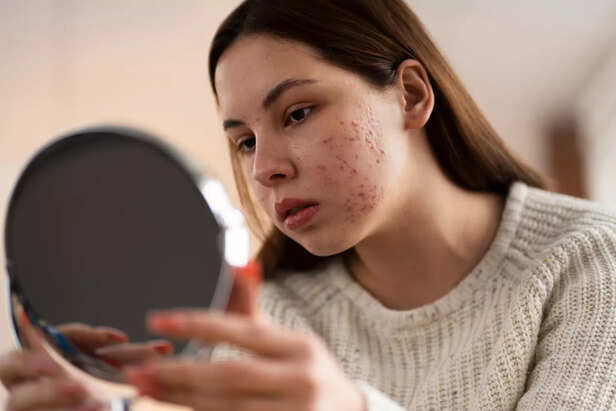
Acne skin
Cold air reduces moisture levels, indoor heaters dry out the skin further, and dehydration becomes common. In response, the skin often produces excess oil to compensate, leading to clogged pores and sudden breakouts.
This type of acne is usually temporary and linked to lifestyle changes rather than internal hormonal shifts.
What Is January Acne?
Common signs of January acne:
- Appears suddenly after New Year celebrations
- Mostly small pimples, whiteheads, or blackheads
- Found on cheeks, forehead, nose, or jawline
- Skin may feel tight, flaky, or irritated
- Improves once routine, sleep, and hydration return to normal
What Is Hormonal Acne?
Common signs of hormonal acne:
- Deep, painful, cystic pimples
- Mostly appears on chin, jawline, and lower cheeks
- Flare-ups before periods or during stress
- Persists for months, not weeks
- Often leaves dark spots or scars
How to Treat January Acne
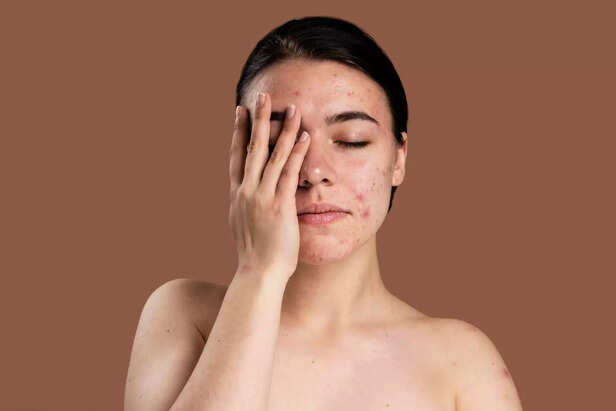
Pimples
- Switch to a gentle, hydrating cleanser
- Use a ceramide based moisturizer to strengthen the skin barrier
- Avoid over exfoliation and harsh actives
- Drink more water and reduce sugar intake
- Remove makeup thoroughly, especially after events
- Focus on sleep and stress recovery
How to Treat Hormonal Acne
- Use salicylic acid or benzoyl peroxide sparingly
- Add retinoids gradually to regulate cell turnover
- Manage stress levels and sleep cycles
- Track breakouts around your menstrual cycle
- Consult a dermatologist if acne is painful or persistent
When Should You Be Concerned?
- Lasts beyond February
- Is painful and recurring
- Leaves scars or dark marks
- Appears even with a consistent routine
The Bottom Line

Skincare
Understanding the difference helps you respond with patience instead of panic. Give your skin time, restore balance, and let January be about recovery, not punishment.
Unlock insightful tips and inspiration on personal growth, productivity, and well-being. Stay motivated and updated with the latest at My Life XP.