This Ancient Temple Ritual Is More Powerful Than You Think : The Truth About Pradakshina
Noopur Kumari | Thu, 12 Feb 2026
Pradakshina is the sacred act of walking clockwise around a temple or deity while keeping God on your right side. In Hindu tradition, this simple movement carries deep spiritual meaning. Ancient Vedic scriptures and temple architecture support this ritual as a way to place the Divine at the center of life. Spiritual teachers explain that Pradakshina promotes karma cleansing, mental clarity, and emotional balance. The circular motion symbolizes the cosmic cycle of creation and surrender. Many devotees report feeling calm and protected after performing it. Rooted in faith and supported by tradition, Pradakshina connects body, mind, and soul in powerful alignment.

Pradakshina
Image credit : ChatGPT(AI)
Have you ever seen devotees slowly walking in circles around a temple, a Shiva Lingam, or a sacred tree? This sacred act is called Pradakshina, one of the oldest spiritual practices in Hinduism. Rooted in Vedic tradition and temple architecture principles, Pradakshina symbolizes keeping the Divine at the center of life. According to scriptures and spiritual teachers, moving clockwise aligns the body and mind with cosmic energy. Many ask, why do Hindus go around temples and is there science behind it? Experts explain that mindful walking improves focus, reduces stress, and deepens devotion. Pradakshina blends faith, philosophy, and subtle energy awareness into one powerful ritual.
![Temple Devotional Walk]()
Pradakshina, a sacred Hindu ritual, literally means moving toward the right side, which symbolizes purity and auspicious energy in Vedic tradition. When devotees walk clockwise around a temple or deity, they affirm that the Divine is the center of their life. Just as planets revolve around the Sun, human life finds balance when it revolves around spiritual truth. Ancient scriptures and temple traditions describe this act as a powerful reminder to reduce ego and strengthen faith. Spiritual teachers explain that such mindful movement creates inner calm, focus, and devotion. When God stands at the center, worries lose control and peace naturally grows within the heart.
Ancient Hindu temples are built using Vastu Shastra and precise sacred geometry, reflecting deep spiritual science and architectural expertise. The sanctum, or garbhagriha, represents the cosmic center of creation. When devotees perform Pradakshina, they symbolically revolve around this divine axis, just as planets orbit the sun. Hindu scriptures describe the Divine as the source and center of all existence. This sacred walk aligns the human body and mind with universal rhythms. Spiritual scholars explain that such rituals cultivate humility, awareness, and inner balance. Pradakshina is not just tradition. It is a conscious journey through cosmic order that strengthens faith and spiritual connection.
![Devotee Walking Around Shiva Lingam]()
Mindful Pradakshina is more than a temple ritual. Hindu scriptures and respected spiritual teachers explain that conscious circumambulation helps cleanse past karma and build inner discipline. When devotees walk slowly around the deity with prayer and focus, every step becomes a sacred offering. Chanting mantras or remembering God’s name creates mental clarity and emotional balance. This repetition calms negative thoughts and strengthens spiritual awareness. According to traditional teachings, karma reduces through intentional and righteous action. Pradakshina symbolizes surrendering past mistakes and choosing a life guided by truth, devotion, and higher consciousness. It is simple, powerful, and deeply transformative.
Pradakshina is more than a religious ritual. It is a powerful practice that supports mental wellness and emotional balance. Walking slowly around a temple improves breathing rhythm and sharpens concentration. Many psychologists confirm that mindful repetitive movement reduces stress and anxiety. Hindu temple architecture is designed using sacred geometry and sound resonance principles, creating a calming spiritual environment. Walking barefoot connects the body with natural elements, promoting grounding and inner stability. This ancient tradition blends devotion with scientific insight. Pradakshina offers spiritual growth, mental clarity, and holistic well being, making it deeply relevant in modern life.
In Hindu tradition, the number of Pradakshina rounds holds deep symbolic meaning rooted in scripture and sacred philosophy. One round represents unity with the Divine, reminding devotees that God is the center of life. Three rounds symbolize the three gunas of nature: sattva, rajas, and tamas. Seven rounds reflect the seven chakras linked to spiritual awakening. Around the Tulsi plant, eleven rounds are often performed for purity and protection. Sacred hills like Arunachala are circled fully as an act of surrender and transformation. These numbers are not random rituals but expressions of ancient wisdom, devotion, and spiritual discipline.
Unlock insightful tips and inspiration on personal growth, productivity, and well-being. Stay motivated and updated with the latest at My Life XP.
1. What is Pradakshina in Hinduism?
Pradakshina is the sacred act of walking clockwise around a temple, deity, sacred tree, or holy object while keeping it on your right side. It symbolizes respect, surrender, and placing the Divine at the center of life.
2. Why do devotees walk clockwise during Pradakshina?
In Hindu tradition, the right side is considered auspicious. Walking clockwise represents harmony with cosmic energy and alignment with dharma, or righteous living.
3. How many rounds of Pradakshina should be performed?
The number varies by tradition and deity. One, three, seven, or eleven rounds are common. Each number carries symbolic spiritual meaning rooted in ancient texts.
4. Is there scientific reasoning behind Pradakshina?
Mindful walking improves focus, reduces stress, and creates emotional balance. Temple architecture is designed to promote calmness and positive vibrations.
5. Can Pradakshina remove negative karma?
Spiritual teachers explain that sincere devotion and mindful action help purify thoughts and intentions, which gradually reduces karmic burden.
Keeping God at the Center
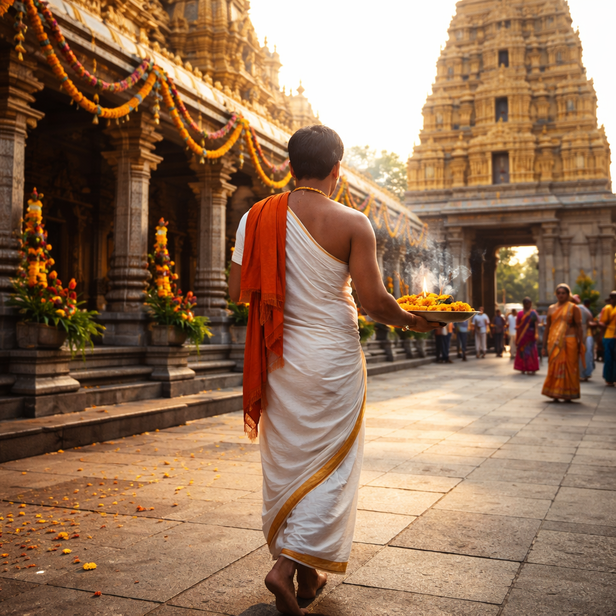
Temple Devotional Walk
Image credit : CHATGPT(AI)
Pradakshina, a sacred Hindu ritual, literally means moving toward the right side, which symbolizes purity and auspicious energy in Vedic tradition. When devotees walk clockwise around a temple or deity, they affirm that the Divine is the center of their life. Just as planets revolve around the Sun, human life finds balance when it revolves around spiritual truth. Ancient scriptures and temple traditions describe this act as a powerful reminder to reduce ego and strengthen faith. Spiritual teachers explain that such mindful movement creates inner calm, focus, and devotion. When God stands at the center, worries lose control and peace naturally grows within the heart.
Symbol of the Cosmic Universe
Cleansing Karma Through Movement
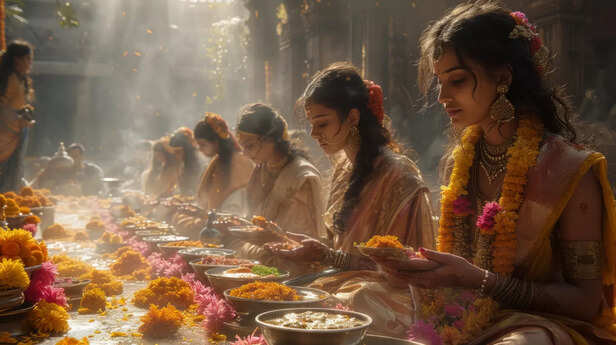
Devotee Walking Around Shiva Lingam
Image credit : Freepik
Mindful Pradakshina is more than a temple ritual. Hindu scriptures and respected spiritual teachers explain that conscious circumambulation helps cleanse past karma and build inner discipline. When devotees walk slowly around the deity with prayer and focus, every step becomes a sacred offering. Chanting mantras or remembering God’s name creates mental clarity and emotional balance. This repetition calms negative thoughts and strengthens spiritual awareness. According to traditional teachings, karma reduces through intentional and righteous action. Pradakshina symbolizes surrendering past mistakes and choosing a life guided by truth, devotion, and higher consciousness. It is simple, powerful, and deeply transformative.
Scientific and Psychological Benefits
Number of Rounds Has Meaning
Unlock insightful tips and inspiration on personal growth, productivity, and well-being. Stay motivated and updated with the latest at My Life XP.
Frequently Asked Questions (FAQs)
Pradakshina is the sacred act of walking clockwise around a temple, deity, sacred tree, or holy object while keeping it on your right side. It symbolizes respect, surrender, and placing the Divine at the center of life.
2. Why do devotees walk clockwise during Pradakshina?
In Hindu tradition, the right side is considered auspicious. Walking clockwise represents harmony with cosmic energy and alignment with dharma, or righteous living.
3. How many rounds of Pradakshina should be performed?
The number varies by tradition and deity. One, three, seven, or eleven rounds are common. Each number carries symbolic spiritual meaning rooted in ancient texts.
4. Is there scientific reasoning behind Pradakshina?
Mindful walking improves focus, reduces stress, and creates emotional balance. Temple architecture is designed to promote calmness and positive vibrations.
5. Can Pradakshina remove negative karma?
Spiritual teachers explain that sincere devotion and mindful action help purify thoughts and intentions, which gradually reduces karmic burden.