Thinking of Going Vegan? Here’s What You Should Know First
Ananya Mishra | Tue, 20 Jan 2026
Veganism is becoming popular for health, ethical and environmental reasons, but it needs careful planning. Cutting out animal foods can affect nutrition, digestion and daily lifestyle if done without awareness. Understanding nutrient needs, protein sources, gut adjustment and practical challenges helps people decide whether a vegan lifestyle suits their body routine and long-term health goals.

Vegan
Image credit : Freepik
Veganism has gained popularity in the past decade. Many people choose it because of health reasons, food preferences or for environmental sustainability. However if someone plans to turn vegan, they should keep a few things in mind before fully committing to it.
Nutrients like vitamin B12, iron, calcium, omega-3 fatty acids and complete proteins are mainly present in animal based products. It can be difficult to fulfill daily requirements of these nutrients with just plant based food, but it is not impossible. Foods like legumes, tofu, nuts, seeds, fortified plant milks, and supplements if needed should be included for a nourishing diet.
![Protein Quality and Variety Matter]()
Plant proteins are not complete by themselves. Foods like dal and rice, quinoa, soy, beans and seeds should be mixed together in order to obtain all the necessary amino acids. Muscle recovery might become difficult and energy levels also drop because of lack of protein.
![Bloating]()
Suddenly converting to a vegan diet can cause some confusion in the body. The gut needs time to adapt to a certain type of diet. A person might feel bloated, gassy or heavy after meals. It is usually because fiber intake increases in a vegan diet.
Veganism can be high maintenance and costlier. It might also be difficult to find vegetarian friendly food everywhere while travelling or dining out. It is smart to research before going out to such places.
Pregnant women, elderly, children and athletes need to be extra careful when converting to this diet. Their nutritional needs are different from average adults.
Unlock insightful tips and inspiration on personal growth, productivity, and well-being. Stay motivated and updated with the latest at My Life XP.
Frequently Asked Questions (FAQs)
Nutritional Planning Is Essential
Protein Quality and Variety Matter
Protein Quality and Variety Matter
Image credit : Freepik
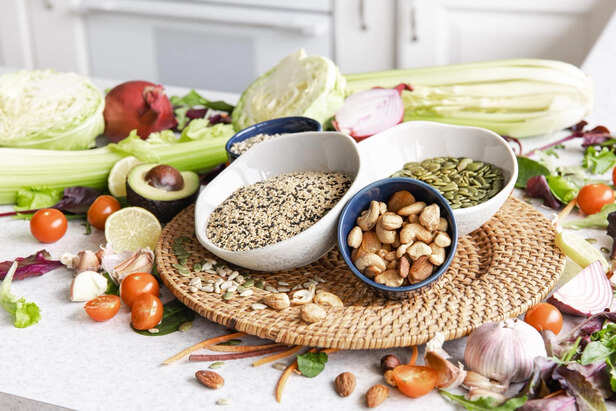
Plant proteins are not complete by themselves. Foods like dal and rice, quinoa, soy, beans and seeds should be mixed together in order to obtain all the necessary amino acids. Muscle recovery might become difficult and energy levels also drop because of lack of protein.
Digestive Changes and Gut Adjustment

Bloating
Image credit : Freepik
Suddenly converting to a vegan diet can cause some confusion in the body. The gut needs time to adapt to a certain type of diet. A person might feel bloated, gassy or heavy after meals. It is usually because fiber intake increases in a vegan diet.
Lifestyle, Budget and Social Factors
Who Should Be Extra Careful
Unlock insightful tips and inspiration on personal growth, productivity, and well-being. Stay motivated and updated with the latest at My Life XP.
Frequently Asked Questions (FAQs)
- Is a vegan diet healthy for everyone?
A vegan diet can be healthy, but it may not suit everyone. It depends on age, lifestyle and proper nutrition planning. - Do vegans get enough protein?
Yes, if they eat a mix of foods like lentils, beans, tofu, nuts and seeds. Variety is important for complete protein. - Is vegan food expensive?
Basic vegan foods are affordable, but packaged vegan products and eating out can be costly.