Real vs Fake Smile: How to Tell the Difference Easily
Ananya Mishra | Wed, 21 Jan 2026
Not every smile reflects happiness or dishonesty. Many people smile out of habit, politeness or emotional protection. Understanding the difference between genuine and forced smiles helps improve emotional awareness and communication. By observing facial muscles, body language and timing, it becomes easier to read emotions without jumping to conclusions, leading to more empathetic and meaningful interactions.

Smile
Image credit : Freepik
Fake smiles do not necessarily indicate dishonesty. They also might be used in most instances as a coping mechanism. Since childhood, people are taught to smile at everyone across as pleasant in almost every situation. It can bring positive vibes to a conversation.
![Real Smile]()
Scientific methods can easily differentiate between a fake smile and a real smile.
This is referred to as the Duchenne smile. A genuine smile involves two types of muscles, namely the zygomaticus major which raises the mouth corners, and orbicularis oculi which makes wrinkles around eyes. These muscles cannot be controlled and hence makes it easier to recognise a real smile. A real smile also releases dopamine which makes it feel more warm and genuine.
On the other hand, fake smiles involve muscles only around the mouth. The eyes look tense in such situations.
It is quite easy to recognise these kinds of smiles because of body language.
Smiling with crossed arms, stiff posture or no eye contact is a common sign of emotional discomfort.
Fake smiles also do not last for too long. They can be flashed and disappear suddenly.
![Why Recognising Fake Smiles Matters]()
Recognising fake smiles and real smiles help improve emotional intelligence and empathy. One should not be quick to judge a person. It is not necessary that a person is rude or dishonest. It also helps in having more considerate and meaningful conversations.
Unlock insightful tips and inspiration on personal growth, productivity, and well-being. Stay motivated and updated with the latest at My Life XP.
Frequently Asked Questions (FAQs)
The Science Behind a Duchenne Smile

Real Smile
Image credit : Freepik
Scientific methods can easily differentiate between a fake smile and a real smile.
This is referred to as the Duchenne smile. A genuine smile involves two types of muscles, namely the zygomaticus major which raises the mouth corners, and orbicularis oculi which makes wrinkles around eyes. These muscles cannot be controlled and hence makes it easier to recognise a real smile. A real smile also releases dopamine which makes it feel more warm and genuine.
On the other hand, fake smiles involve muscles only around the mouth. The eyes look tense in such situations.
Practical Ways to Spot a Fake Smile
Smiling with crossed arms, stiff posture or no eye contact is a common sign of emotional discomfort.
Fake smiles also do not last for too long. They can be flashed and disappear suddenly.
Why Recognising Fake Smiles Matters
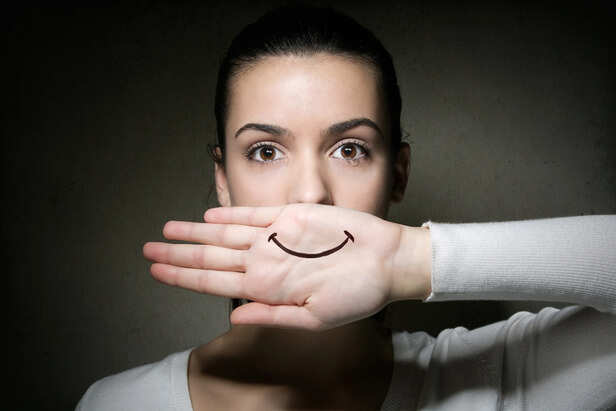
Why Recognising Fake Smiles Matters
Image credit : Freepik
Recognising fake smiles and real smiles help improve emotional intelligence and empathy. One should not be quick to judge a person. It is not necessary that a person is rude or dishonest. It also helps in having more considerate and meaningful conversations.
Unlock insightful tips and inspiration on personal growth, productivity, and well-being. Stay motivated and updated with the latest at My Life XP.
Frequently Asked Questions (FAQs)
- What is a fake smile?
A fake smile is when someone smiles only to be polite or hide emotions, not because they feel happy. - How can I tell if a smile is real?
A real smile includes eye wrinkles and relaxed facial muscles, not just a smiling mouth. - Does understanding smiles help relationships?
Yes, it improves empathy, communication and emotional understanding. - Why do people use fake smiles?
People use fake smiles to avoid awkward situations, hide stress or appear friendly.