Why Desire Refuses to Leave Even Inside Temples
Noopur Kumari | Wed, 21 Jan 2026
Ancient Hindu scriptures and temple traditions explain that devotion does not erase desire. Instead, desire gradually transforms. Spiritual texts, lived experience, and temple stories show that people carry hopes and longings into sacred spaces because the heart seeks understanding, not denial. This article explains why desire follows devotees into temples and how mythology teaches gentle guidance rather than suppression. When desire is softened and purified through prayer and reflection, it becomes a source of clarity and balance. Rooted in trusted spiritual teachings, this perspective highlights emotional healing, self awareness, and lasting inner growth.

Devotee in Deep Prayer
Image credit : ANI
Many people enter temples hoping to leave desire behind. Shoes remain outside, phones fall silent, and hands fold in prayer. Yet the heart still carries wishes for love, success, respect, and relief from pain. Hindu mythology openly accepts this human truth. Temples were never meant to destroy desire, but to refine it. Spiritual experience and scriptural wisdom explain that desire exists because life exists. In sacred spaces, desire slowly changes form. It becomes calmer, more aware, and more balanced. True devotion begins when desire is understood, guided, and aligned with higher consciousness.
![Devotee Standing Before Deity]()
Most people visit temples with a clear intention. Some seek peace of mind, some pray for love, and others look for answers to personal struggles. Hindu mythology shows that even kings and sages approached the gods with desires in their hearts. Desire is not seen as disrespect but as sincerity. Spiritual experience suggests that temples offer a safe space where people can accept their wishes without guilt. Hindu philosophy explains that prayer begins with truth and self awareness. Desire survives because it guides the soul toward divine connection and inner growth.
![Vishnu Granting a Boon]()
In Hindu mythology, gods listen before they guide. Shiva accepted Parvati’s longing and transformed it into spiritual strength. Vishnu heard Dhruva’s ambition and shaped it into wisdom through devotion. These stories, preserved in trusted scriptures, show that desire is not rejected by the divine. It is refined through understanding and lived experience. Spiritual teachers explain that growth begins with honest intention, not forced detachment. Temples exist to welcome people as they truly are. This acceptance builds trust, emotional healing, and gradual inner discipline that leads to mature devotion and self awareness.
![Quiet Temple Corridor]()
Outside the temple, desire often feels restless and noisy. Inside temples, the atmosphere naturally calms the mind. Bells, chants, and silence help slow racing thoughts. Hindu mythology and spiritual experience explain that when the mind becomes steady, desire does not disappear but changes its nature. Greed slowly turns into hope. Anger settles into prayer. Obsession shifts toward surrender. Spiritual scholars describe this as emotional purification. That is why many devotees feel lighter after temple visits, even when life problems remain unchanged. The mind becomes calmer, stronger, and better prepared to face reality with balance.
Hindu philosophy does not focus on removing desire but on guiding it wisely. Classical scriptures explain that desire is a natural human force. Dharma provides ethical direction, while bhakti refines emotion through devotion. Temples serve as spiritual classrooms where people learn where to place their hopes and ambitions. Instead of endless chasing, devotees are encouraged to seek balance, duty, and responsibility. Spiritual teachers and lived experience suggest that when desire is guided with awareness, it no longer creates suffering. It begins to heal the mind, strengthen relationships, and support meaningful growth in daily life.
Unlock insightful tips and inspiration on personal growth, productivity, and well-being. Stay motivated and updated with the latest at My Life XP.
1. Does Hindu philosophy consider desire a sin?
No. Hindu philosophy views desire as a natural part of human life. It teaches guidance and balance rather than suppression.
2. Why do people still feel desire inside temples?
Because desire is connected to the human mind. Temples calm the mind and help reshape desire, not erase it.
3. What role does bhakti play in desire?
Bhakti refines desire by turning emotional longing into devotion, patience, and trust.
4. How does dharma guide desire?
Dharma sets ethical limits, helping people align their desires with responsibility and harmony.
5. What is the main lesson of temple rituals?
Temple rituals teach awareness and balance, helping desire transform into clarity, peace, and emotional healing.
Desire Is the Reason We Come
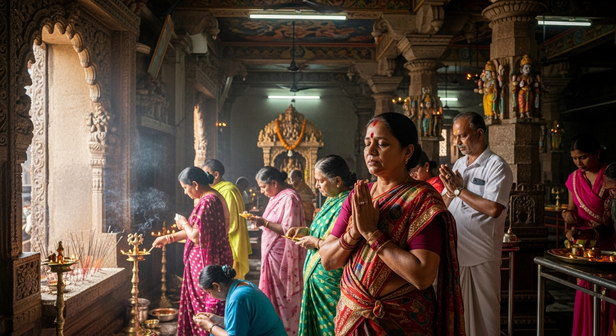
Devotee Standing Before Deity
Image credit : AI
Most people visit temples with a clear intention. Some seek peace of mind, some pray for love, and others look for answers to personal struggles. Hindu mythology shows that even kings and sages approached the gods with desires in their hearts. Desire is not seen as disrespect but as sincerity. Spiritual experience suggests that temples offer a safe space where people can accept their wishes without guilt. Hindu philosophy explains that prayer begins with truth and self awareness. Desire survives because it guides the soul toward divine connection and inner growth.
Gods Never Rejected Desire
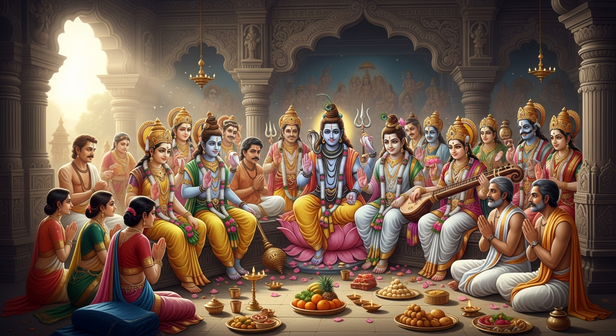
Vishnu Granting a Boon
Image credit : AI
In Hindu mythology, gods listen before they guide. Shiva accepted Parvati’s longing and transformed it into spiritual strength. Vishnu heard Dhruva’s ambition and shaped it into wisdom through devotion. These stories, preserved in trusted scriptures, show that desire is not rejected by the divine. It is refined through understanding and lived experience. Spiritual teachers explain that growth begins with honest intention, not forced detachment. Temples exist to welcome people as they truly are. This acceptance builds trust, emotional healing, and gradual inner discipline that leads to mature devotion and self awareness.
Desire Changes Shape in Silence
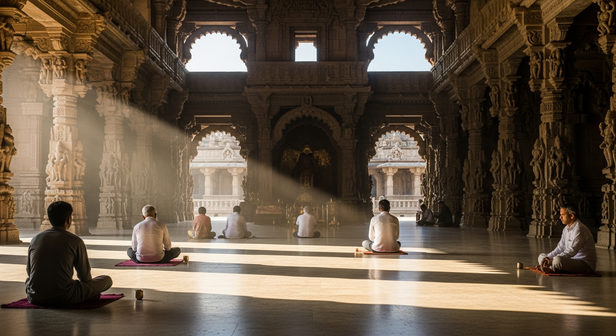
Quiet Temple Corridor
Image credit : AI
Outside the temple, desire often feels restless and noisy. Inside temples, the atmosphere naturally calms the mind. Bells, chants, and silence help slow racing thoughts. Hindu mythology and spiritual experience explain that when the mind becomes steady, desire does not disappear but changes its nature. Greed slowly turns into hope. Anger settles into prayer. Obsession shifts toward surrender. Spiritual scholars describe this as emotional purification. That is why many devotees feel lighter after temple visits, even when life problems remain unchanged. The mind becomes calmer, stronger, and better prepared to face reality with balance.
Temples Teach Direction, Not Denial
Unlock insightful tips and inspiration on personal growth, productivity, and well-being. Stay motivated and updated with the latest at My Life XP.
Frequently Asked Questions (FAQs)
No. Hindu philosophy views desire as a natural part of human life. It teaches guidance and balance rather than suppression.
2. Why do people still feel desire inside temples?
Because desire is connected to the human mind. Temples calm the mind and help reshape desire, not erase it.
3. What role does bhakti play in desire?
Bhakti refines desire by turning emotional longing into devotion, patience, and trust.
4. How does dharma guide desire?
Dharma sets ethical limits, helping people align their desires with responsibility and harmony.
5. What is the main lesson of temple rituals?
Temple rituals teach awareness and balance, helping desire transform into clarity, peace, and emotional healing.