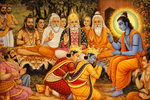
If You Understand These 5 Ideas, You Understand Hinduism
Noopur Kumari | Tue, 20 Jan 2026
This article explains the five principal beliefs of Hinduism in clear and simple language. Dharma, Karma, Bhakti, Moksha, and Ahimsa are presented with emotional depth and practical meaning rooted in real life experience. Each belief is shown as a living guide that shapes daily actions, relationships, and inner peace. Drawing from ancient wisdom and trusted scriptures, the article reflects the expertise of Hindu philosophy and its timeless relevance. Hinduism is explained here not as ritual or fear, but as a conscious way of living that encourages responsibility, compassion, and self awareness.

5 Core Beliefs of Hinduism
Image credit : AI
Hinduism is not a rulebook. It is a gentle guide for living with awareness, kindness, and balance. Shaped by the lived experience of many sages over thousands of years, it teaches responsible action, deep love, and the gradual reduction of suffering. Instead of forcing belief, Hinduism encourages reflection and understanding. At its core are five simple ideas that quietly influence daily choices and inner growth. These principles are not complex philosophy. They are practical wisdom tested through real life, trusted across generations, and still deeply relevant today.
![Balanced Life Guided by Dharma]()
Dharma means living in harmony with what is right for you at each stage of life. It is not the same for everyone. A child, a parent, a worker, and a monk all carry different responsibilities. Dharma asks a simple but powerful question. What is the right action for me right now. When dharma is followed with honesty, life feels balanced and clear. When it is ignored, confusion and inner conflict arise. Hindu wisdom shows that dharma is not about perfection. It is about sincerity, awareness, and responsibility. This timeless teaching remains practical, trusted, and deeply rooted in lived human experience.
![Seeds of Action Becoming Results]()
Karma means action and its natural result. Every thought, word, and deed creates an effect that shapes life over time. It is not a system of reward or punishment, but a law as real as cause and effect. Kind actions create peace and clarity, while harmful actions bring unrest and struggle. Hindu wisdom teaches responsibility without fear. Fate is not fixed. Present choices matter deeply. The future is continuously shaped by what one does today. Karma empowers people to improve life through awareness, discipline, and conscious action.
![Seeds of Action Becoming Results]()
Bhakti means devotion guided by love and trust. It teaches that loving God sincerely is enough for spiritual growth. Through prayer, chanting, service, and remembrance, people express bhakti in simple daily ways. Hindu tradition presents God as close and caring, like a friend or a parent, not distant or fearful. Bhakti makes spirituality personal, gentle, and emotionally safe. In a world driven by ego and pressure, bhakti reminds us that humility, surrender, and love are real strengths. This path has been trusted for centuries because it comforts the heart and transforms faith into lived experience.
Moksha is freedom from suffering and ignorance, taught in Hindu philosophy through centuries of lived spiritual experience. It does not mean escaping life but understanding it with clarity and awareness. When a person realises they are more than the body, roles, and desires, fear slowly reduces. Peace becomes possible even in ordinary daily life. Hinduism, guided by trusted scriptures and sages, offers many authentic paths to moksha such as right action, devotion, knowledge, and meditation. No single path is forced. Each soul follows its own sincere journey toward lasting inner freedom.
Ahimsa means non violence in action, speech, and thought. Hinduism teaches through lived experience that all life is interconnected and sacred. Ahimsa is not weakness or fear. It is conscious strength that chooses compassion over anger and understanding over cruelty. Ancient scriptures and sages explain that harsh words and harmful thoughts also create suffering. Practicing ahimsa makes people more aware of how they treat others, animals, and themselves. Over time, this mindful way of living builds inner calm, healthier relationships, and lasting peace within and around a person.
Unlock insightful tips and inspiration on personal growth, productivity, and well-being. Stay motivated and updated with the latest at My Life XP.
What is the true meaning of Ahimsa in Hinduism?
Ahimsa means non violence in thoughts, words, and actions. It teaches respect for all life and awareness of how even small actions affect others.
Does Ahimsa mean avoiding all conflict?
No. Ahimsa does not mean weakness or silence. It means handling conflict with compassion, restraint, and understanding instead of anger or harm.
Why are thoughts and words included in Ahimsa?
Hindu wisdom recognises that thoughts and words shape reality. Harsh speech and negative thinking can cause deep emotional harm.
How can Ahimsa be practiced in daily life?
Through kind speech, mindful actions, ethical food choices, and respectful relationships with people, animals, and nature.
Dharma: Living the Right Way

Balanced Life Guided by Dharma
Image credit : AI
Dharma means living in harmony with what is right for you at each stage of life. It is not the same for everyone. A child, a parent, a worker, and a monk all carry different responsibilities. Dharma asks a simple but powerful question. What is the right action for me right now. When dharma is followed with honesty, life feels balanced and clear. When it is ignored, confusion and inner conflict arise. Hindu wisdom shows that dharma is not about perfection. It is about sincerity, awareness, and responsibility. This timeless teaching remains practical, trusted, and deeply rooted in lived human experience.
Karma: Every Action Matters
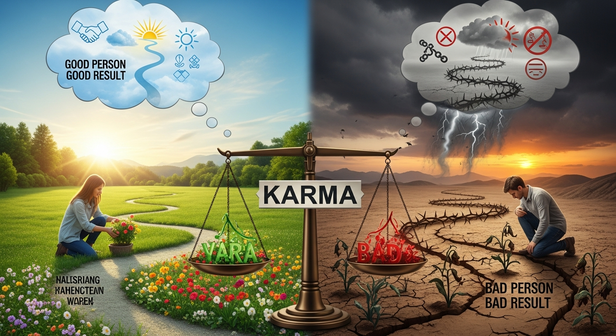
Seeds of Action Becoming Results
Image credit : AI
Karma means action and its natural result. Every thought, word, and deed creates an effect that shapes life over time. It is not a system of reward or punishment, but a law as real as cause and effect. Kind actions create peace and clarity, while harmful actions bring unrest and struggle. Hindu wisdom teaches responsibility without fear. Fate is not fixed. Present choices matter deeply. The future is continuously shaped by what one does today. Karma empowers people to improve life through awareness, discipline, and conscious action.
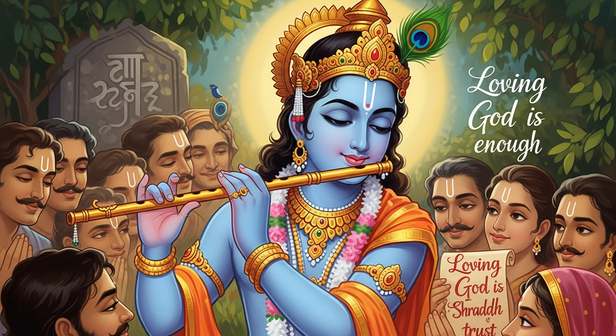
Bhakti: Love as a Path
Seeds of Action Becoming Results
Image credit : AI
Bhakti means devotion guided by love and trust. It teaches that loving God sincerely is enough for spiritual growth. Through prayer, chanting, service, and remembrance, people express bhakti in simple daily ways. Hindu tradition presents God as close and caring, like a friend or a parent, not distant or fearful. Bhakti makes spirituality personal, gentle, and emotionally safe. In a world driven by ego and pressure, bhakti reminds us that humility, surrender, and love are real strengths. This path has been trusted for centuries because it comforts the heart and transforms faith into lived experience.
Moksha: Freedom from Suffering
Ahimsa: Living Without Harm
Unlock insightful tips and inspiration on personal growth, productivity, and well-being. Stay motivated and updated with the latest at My Life XP.
Frequently Asked Questions (FAQs)
Ahimsa means non violence in thoughts, words, and actions. It teaches respect for all life and awareness of how even small actions affect others.
Does Ahimsa mean avoiding all conflict?
No. Ahimsa does not mean weakness or silence. It means handling conflict with compassion, restraint, and understanding instead of anger or harm.
Why are thoughts and words included in Ahimsa?
Hindu wisdom recognises that thoughts and words shape reality. Harsh speech and negative thinking can cause deep emotional harm.
How can Ahimsa be practiced in daily life?
Through kind speech, mindful actions, ethical food choices, and respectful relationships with people, animals, and nature.