These 10 Avatars of Lord Shiva Hide Powerful Secrets About Life and Death
Noopur Kumari | Tue, 10 Feb 2026
The ten avatars of Lord Shiva reveal powerful layers of existence, guiding humanity through balance, protection, wisdom, and compassion. Rooted in sacred texts and spiritual tradition, these forms reflect Shiva’s role as both transformer and teacher. Each avatar addresses a core human struggle such as fear, time, ego, or attachment, offering timeless guidance for inner growth. Devotees who understand these manifestations experience deeper emotional connection, stronger faith, and mental clarity. From fierce protectors to serene yogic forms, Shiva’s avatars remind us that liberation comes through awareness and surrender. This ancient wisdom continues to inspire resilience, devotion, and spiritual awakening in modern life.

10 Avatars of Lord Shiva
Image credit : Pixabay
Lord Shiva stands as one of the most worshipped deities in Hinduism and a central force of the sacred Trinity. Rooted in ancient scriptures and lived devotional experience, Shiva represents transformation guided by wisdom, not destruction. While Brahma initiates creation and Vishnu sustains life, Shiva reshapes the universe to restore balance and truth. His many avatars, described in the Vedas, Puranas, and Shaiva traditions, reveal practical spiritual lessons for human life. Each form teaches courage in adversity, detachment from ego, inner balance, and the path to enlightenment. These divine manifestations continue to inspire ethical living, resilience, and deep spiritual awakening for devotees today.
![Nataraja the Cosmic Dancer]()
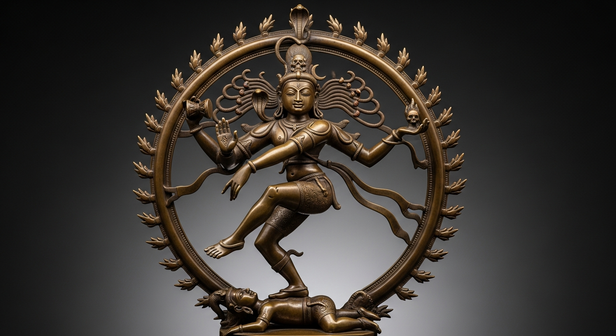
In the Nataraja form, Lord Shiva appears as the divine cosmic dancer performing the sacred Tandava. According to Shaiva philosophy and classical scriptures, this dance reflects the eternal cycle of creation, preservation, and dissolution operating together in the universe. The ring of fire around Nataraja represents constant change and the rhythm of time, while Shiva pressing the demon Apasmara under his foot symbolizes the victory of wisdom over ignorance. From a spiritual perspective, Nataraja teaches devotees that transformation is essential for growth and self realization. Worship of this form inspires balance, awareness, and acceptance of life’s continuous evolution.
![Kaal Bhairava the Lord of Time]()
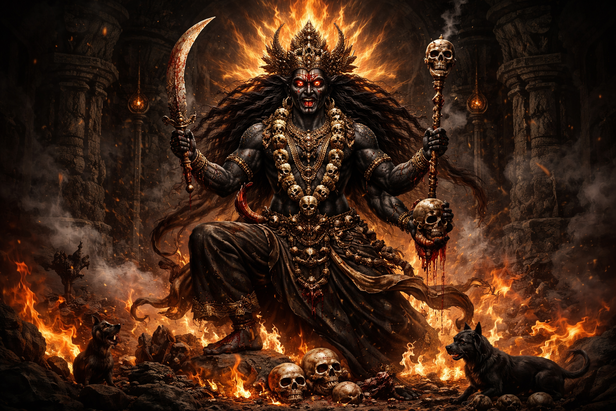
Kaal Bhairava is one of the most powerful manifestations of Lord Shiva, worshipped as the supreme master of time and death. Rooted in Shaiva scriptures and temple traditions, this fierce form reminds devotees that human life is temporary and deeply precious. Spiritual teachers and devotees believe that worship of Kaal Bhairava removes fear, ignorance, and unhealthy attachments. He guides seekers toward discipline, responsibility, and inner awareness. Temples dedicated to Kaal Bhairava emphasize ethical living and self control. By meditating on this form, devotees gain courage to face change, respect time, and move steadily toward spiritual growth and self realization.
![Ardhanarishvara the Divine Union]()
Ardhanarishvara presents Lord Shiva as half male and half female, united with Goddess Parvati in one divine form. Ancient scriptures and spiritual traditions explain that this manifestation represents perfect balance in the universe. It teaches that creation becomes complete only when consciousness and energy exist together in harmony. This wisdom highlights the equal importance of masculine and feminine forces in life and spirituality. Rooted in authoritative Hindu texts and centuries of devotional experience, Ardhanarishvara inspires inner balance, respect, and unity. Understanding this form helps devotees cultivate harmony within themselves and the world, making it a powerful symbol of spiritual completeness and timeless truth.
Mahakaal embodies Lord Shiva’s supreme authority over time and destiny. Ancient scriptures and temple traditions describe Mahakaal as the force that removes fear of death and safeguards dharma. Devotees across generations trust this form of Shiva for guidance during life’s most difficult phases. Worship of Mahakaal is believed to protect against negative energies and strengthen inner courage. Rooted in spiritual experience and authoritative belief, Mahakaal reminds seekers that time itself is under divine control. This understanding brings peace, faith, and resilience, helping devotees face uncertainty with confidence and surrender to the higher will of Lord Shiva.
Bhairava represents fierce compassion and divine protection rooted in ancient Shaiva wisdom. According to scriptures and lived devotional experience, Bhairava destroys ego, ignorance, and fear so the soul can awaken to truth. This transformative destruction is not violent but purifying, guiding devotees toward courage, clarity, and inner discipline. Spiritual teachers describe Bhairava worship as a powerful path for those facing intense life challenges, uncertainty, or emotional blockages. By surrendering fear and false identity, devotees develop resilience and confidence. Bhairava’s energy reminds humanity that true protection comes from inner strength, self awareness, and alignment with higher consciousness, making him one of the most trusted and revered forms of Lord Shiva.
In the sacred form of Dakshinamurthy, Lord Shiva appears as the supreme teacher of humanity. Seated calmly beneath a banyan tree, he transmits wisdom not through words but through profound silence. This powerful image highlights self realization, deep meditation, and inner awakening as the true paths to liberation. Rooted in Vedic philosophy and spiritual tradition, Dakshinamurthy reminds seekers that real knowledge arises from within, not from rituals alone. Saints and scholars across generations have revered this form as the source of yogic insight and enlightenment. His presence inspires mindfulness, clarity, and spiritual discipline, guiding devotees toward lasting inner peace and higher consciousness.
Aghora represents Lord Shiva’s deepest ascetic wisdom and fearless acceptance of death. Rooted in ancient Shaiva traditions, this form is closely linked to cremation grounds, symbolizing truth beyond illusion. Spiritual scholars explain that Aghora teaches detachment from material desire and ego driven fear. By confronting mortality directly, devotees learn that life is temporary while consciousness is eternal. Yogic texts and lived spiritual practices show Aghora as a guide toward inner liberation and resilience. This understanding builds spiritual maturity, emotional strength, and clarity. Aghora’s energy reminds seekers that transformation begins when fear ends and awareness rises above worldly attachment.
Rudra is one of the earliest Vedic forms of Lord Shiva, described in the Rigveda as the force of nature that commands storms, thunder, and transformation. Ancient sages experienced Rudra as both fearsome and healing, showing deep spiritual wisdom rooted in lived devotion and scriptural authority. His destructive energy is not chaos but purification, clearing what has become stagnant or harmful. By dissolving the old, Rudra prepares the foundation for renewal and rebirth. This teaching remains relevant today, reminding seekers that personal growth often begins with release. Understanding Rudra strengthens faith, deepens meditation, and reveals Shiva as the eternal guide of transformation.
Pashupatinath represents Lord Shiva as the supreme guardian of all living beings. This divine form reflects deep compassion that extends beyond humans to animals, forests, and the natural world. Ancient scriptures and temple traditions show Pashupatinath as a reminder that life is sacred in every form. From a spiritual perspective, this aspect of Shiva teaches ethical living, non violence, and environmental responsibility. Devotees believe honoring Pashupatinath strengthens inner empathy and respect for creation. In today’s world, this symbolism feels especially relevant, inspiring harmony with nature, mindful choices, and a deeper spiritual connection rooted in care, balance, and universal compassion.
Veerabhadra emerged from Lord Shiva’s intense grief and righteous anger after the loss of Sati, making him one of the most powerful warrior manifestations in Hindu mythology. Ancient scriptures describe Veerabhadra as the embodiment of divine justice, created to restore moral order and punish arrogance and injustice. His story reflects deep spiritual wisdom rooted in Shaiva traditions, showing that anger guided by dharma becomes protection, not destruction. For devotees, Veerabhadra inspires courage, ethical strength, and unwavering commitment to truth. His presence reminds humanity that standing against injustice is a sacred duty and that righteousness always finds divine support in times of moral crisis.
The avatars of Lord Shiva are far more than sacred legends. They serve as powerful spiritual guides for human life, offering timeless lessons on balance, courage, detachment, and inner wisdom. Each form reflects a stage of consciousness that helps devotees face fear, overcome ego, and move toward liberation. Rooted in ancient scriptures and lived devotion, these avatars strengthen faith and spiritual discipline. Experienced seekers and scholars agree that Shiva’s presence is not limited to temples or rituals. He lives within every soul that seeks truth, transformation, and self realization. Understanding these divine forms awakens inner strength and compassion. Har Har Mahadev.
Unlock insightful tips and inspiration on personal growth, productivity, and well-being. Stay motivated and updated with the latest at My Life XP.
1. What are the avatars of Lord Shiva?
The avatars of Lord Shiva are divine manifestations that represent different aspects of his power, wisdom, and purpose. Each form teaches unique spiritual lessons.
2. How many main avatars of Lord Shiva are there?
There are ten widely recognized avatars, including Nataraja, Kaal Bhairava, Ardhanarishvara, Mahakaal, Bhairava, Dakshinamurthy, Aghora, Rudra, Pashupatinath, and Veerabhadra.
3. Why did Shiva take these avatars?
Shiva took these forms to protect dharma, guide devotees, destroy ignorance, and reveal spiritual truths about life, death, and liberation.
4. Can worshipping Shiva’s avatars bring spiritual benefits?
Yes. Devotees gain courage, wisdom, balance, protection, and inner peace by understanding and honoring these divine forms.
5. Are Shiva’s avatars connected to human life lessons?
Absolutely. Each avatar teaches lessons about detachment, courage, fearlessness, balance of energies, and spiritual growth.
6. Where can devotees learn more about these forms?
Ancient scriptures, temples, and spiritual texts provide knowledge, while guided teachings and meditation help connect with Shiva’s energy.
Nataraja
Nataraja the Cosmic Dancer
Image credit : Google_AI_Studio_(AI)
In the Nataraja form, Lord Shiva appears as the divine cosmic dancer performing the sacred Tandava. According to Shaiva philosophy and classical scriptures, this dance reflects the eternal cycle of creation, preservation, and dissolution operating together in the universe. The ring of fire around Nataraja represents constant change and the rhythm of time, while Shiva pressing the demon Apasmara under his foot symbolizes the victory of wisdom over ignorance. From a spiritual perspective, Nataraja teaches devotees that transformation is essential for growth and self realization. Worship of this form inspires balance, awareness, and acceptance of life’s continuous evolution.
Kaal Bhairava
Kaal Bhairava the Lord of Time
Image credit : ChatGPT(AI)
Kaal Bhairava is one of the most powerful manifestations of Lord Shiva, worshipped as the supreme master of time and death. Rooted in Shaiva scriptures and temple traditions, this fierce form reminds devotees that human life is temporary and deeply precious. Spiritual teachers and devotees believe that worship of Kaal Bhairava removes fear, ignorance, and unhealthy attachments. He guides seekers toward discipline, responsibility, and inner awareness. Temples dedicated to Kaal Bhairava emphasize ethical living and self control. By meditating on this form, devotees gain courage to face change, respect time, and move steadily toward spiritual growth and self realization.
Ardhanarishvara
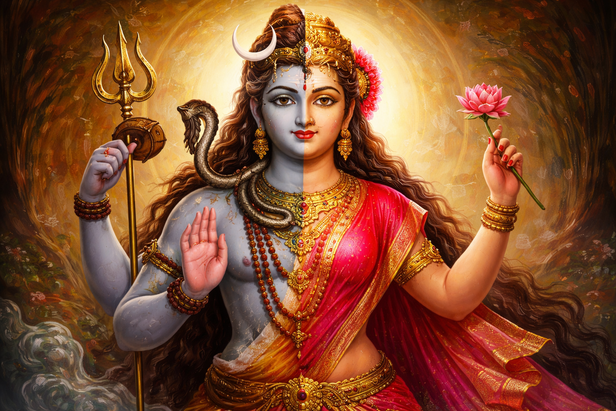
Ardhanarishvara the Divine Union
Image credit : ChatGpt(AI)
Ardhanarishvara presents Lord Shiva as half male and half female, united with Goddess Parvati in one divine form. Ancient scriptures and spiritual traditions explain that this manifestation represents perfect balance in the universe. It teaches that creation becomes complete only when consciousness and energy exist together in harmony. This wisdom highlights the equal importance of masculine and feminine forces in life and spirituality. Rooted in authoritative Hindu texts and centuries of devotional experience, Ardhanarishvara inspires inner balance, respect, and unity. Understanding this form helps devotees cultivate harmony within themselves and the world, making it a powerful symbol of spiritual completeness and timeless truth.
Mahakaal
Bhairava
Dakshinamurthy
Aghora
Rudra
Pashupatinath
Veerabhadra
10 Manifestations of Lord Shiva
Unlock insightful tips and inspiration on personal growth, productivity, and well-being. Stay motivated and updated with the latest at My Life XP.
Frequently Asked Questions (FAQs)
The avatars of Lord Shiva are divine manifestations that represent different aspects of his power, wisdom, and purpose. Each form teaches unique spiritual lessons.
2. How many main avatars of Lord Shiva are there?
There are ten widely recognized avatars, including Nataraja, Kaal Bhairava, Ardhanarishvara, Mahakaal, Bhairava, Dakshinamurthy, Aghora, Rudra, Pashupatinath, and Veerabhadra.
3. Why did Shiva take these avatars?
Shiva took these forms to protect dharma, guide devotees, destroy ignorance, and reveal spiritual truths about life, death, and liberation.
4. Can worshipping Shiva’s avatars bring spiritual benefits?
Yes. Devotees gain courage, wisdom, balance, protection, and inner peace by understanding and honoring these divine forms.
5. Are Shiva’s avatars connected to human life lessons?
Absolutely. Each avatar teaches lessons about detachment, courage, fearlessness, balance of energies, and spiritual growth.
6. Where can devotees learn more about these forms?
Ancient scriptures, temples, and spiritual texts provide knowledge, while guided teachings and meditation help connect with Shiva’s energy.