You kept your voice level. You chose your words. You did not cry, did not raise your voice, did not storm out. By any visible measure, you stayed calm. Then the conversation ended, and you walked to another room, and your hands started trembling. Maybe your legs too. Maybe a strange cold flush across your chest. The argument is over and your body is only now falling apart.
This is not a contradiction. It is, in fact, the system working exactly as it was built to.
Your Body Treated the Argument as a Physical Threat
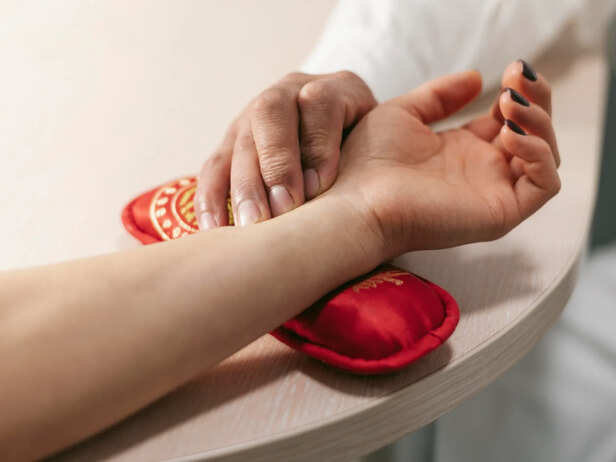
![How Blood Circulation Affects Your Hands and Feet]()
How Blood Circulation Affects Your Hands and Feet
Image credit : Freepik
The moment conflict began, the raised voice, the tense silence, the first sentence that landed wrong, your nervous system made a decision your conscious mind had no part in. It activated the sympathetic branch: the fight-or-flight state. Adrenaline and cortisol moved into your bloodstream. Your heart rate climbed. Blood shifted toward your large muscle groups. Your pupils dilated slightly. Your digestion paused.
None of this required you to feel frightened. The body does not wait for permission from your thoughts. It reads tone, volume, facial expression, and proximity, and it responds to threat-signals the way it has for as long as humans have existed. An argument between two people in a kitchen registers to the older parts of your brain much the same way a confrontation in the open once did. The body prepares to run or to fight.
You did neither. You sat still and spoke carefully. But the preparation happened anyway.
Staying Calm Is Its Own Kind of Effort
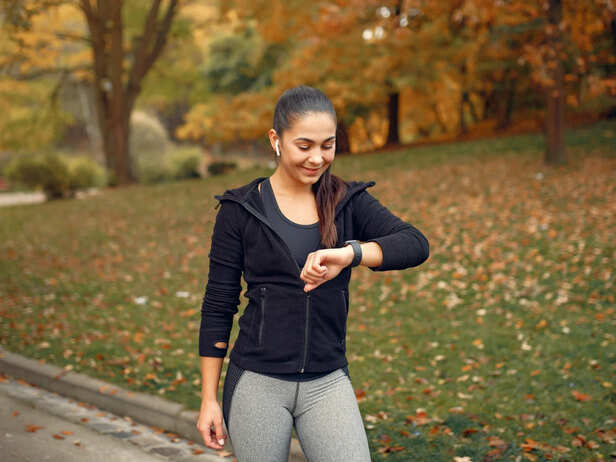
![Daily Walking for Better Bone Health]()
Daily Walking for Better Bone Health
Image credit : Freepik
What you experienced as composure required real physiological work. The prefrontal cortex, the part of the brain that manages reasoning, language, and impulse regulation, was actively suppressing the stress response your body had already launched. You were, in a literal sense, overriding an alarm that was already ringing.
This suppression is not passive. It draws on the same system it is trying to calm. Holding a steady voice while your heart is hammering takes muscular effort. Choosing words carefully while cortisol is telling you to move fast takes cognitive effort. The calm you showed was real, but it was not free. Your body was running two states simultaneously: the emergency response and the override.
The Shake Is the Release, Not the Breakdown
When the argument ends and the social pressure to remain composed lifts, the suppression stops. The adrenaline that had nowhere to go while you were keeping it together now moves through your system without the override holding it back. The trembling in your hands is that discharge.
Some animals do this visibly and immediately after a threat passes, a physical shudder that runs through the whole body. Humans do it too, though we tend to interpret it as weakness or delayed distress. It is neither. It is the nervous system completing a cycle it started when the conflict began. The shake is the end of the response, not the beginning of one.
Cortisol clears more slowly than adrenaline. This is why the shaking might settle in minutes while the flat, wrung-out feeling lasts hours. The two hormones have different half-lives in the bloodstream, and the body processes them on its own schedule regardless of how resolved the argument feels to you.
Why It Happens More After Arguments You Win, or Handle Well
There is a pattern many people notice: the shake is worse after arguments they felt they managed well, not after ones where they lost control. This makes sense once you understand what the suppression cost.
When you lose your temper, some of the adrenaline discharges through the outburst itself, through raised volume, through movement, through the physical act of expressing the emotion. When you stay composed, none of it discharges during. The whole load carries to the end. The better you held it together, the more there is to release when the holding stops.
This is not an argument for losing your temper. It is an explanation for why the people who manage conflict most carefully sometimes feel the worst afterward.
What the Shaking Is Telling You, and What to Do With It
The trembling is information, not a problem to stop. It tells you that your body took the conflict seriously even when your mind decided to stay measured. That is worth knowing, because it means repeated conflict of this kind, even conflict you handle gracefully, is accumulating a physiological load.
In the short term, the shake resolves on its own. Moving helps: a short walk, slow deliberate breathing, or even holding something warm. These are not remedies so much as ways of giving the nervous system a signal that the threat has passed and movement is now safe. Cold water on the wrists does the same thing through a different route, a mild vagal activation that nudges the parasympathetic system back online.
If the shaking after ordinary disagreements is severe, lasts more than an hour, or comes with chest tightness, heart pounding that does not settle, or a sense of unreality, those are worth a conversation with a doctor rather than a home remedy.
What the shake is not: a sign that you are weak, that you did not actually handle things well, or that something is wrong with your emotional regulation. The people who shake least after arguments are often the ones who felt least threatened to begin with, or the ones who discharged the stress during rather than after. Neither is necessarily better. The body that shakes afterward held something together. That is what the shaking says.
Conflict leaves a mark in the body whether or not it leaves one in the conversation. The argument you stayed calm through was still an argument. Your hands already knew that. They were just waiting for you to be somewhere safe enough to say so.
Experiencing frequent stress, fatigue, or health challenges? Your name energy may be worth exploring. Check it here. Unlock insightful tips and inspiration on personal growth, productivity, and well-being. Stay motivated and updated with the latest at
My Life XP.