What if eight verses could become a daily prayer for wealth, prosperity and a respected place in society? The Mahalakshmi Ashtakam is a sacred hymn dedicated to Goddess Mahalakshmi and traditionally attributed to Lord Indra. Found in the Padma Purana, this stotra contains eight verses praising the Goddess and her divine qualities. It is especially remembered by devotees seeking her blessings for prosperity, abundance and good fortune. But there is a particular verse in this prayer that makes its connection with status and royal comforts especially interesting.
The Stotra Composed by Devaraj Indra
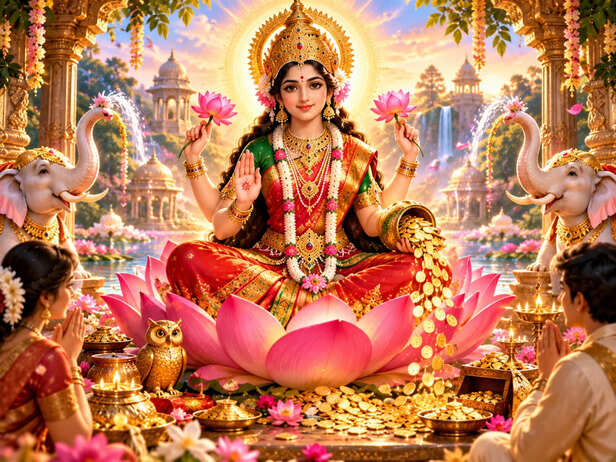
![Goddess Lakshmi’s]()
Goddess Lakshmi’s
Image credit : chatgpt(ai)
The Mahalakshmi Ashtakam is a revered Sanskrit hymn dedicated to Goddess Mahalakshmi. According to its traditional account in the Padma Purana, Devaraj Indra composed this prayer in praise of the Goddess. The word Ashtakam refers to a composition of eight verses, and each verse describes different divine qualities of Mahalakshmi. Devotees recite this stotra to seek blessings for prosperity, abundance, good fortune and well-being. Its central message is a heartfelt expression of devotion towards the Goddess who is worshipped as the giver of wealth and auspiciousness.
Why Is Mahalakshmi Ashtakam So Special?
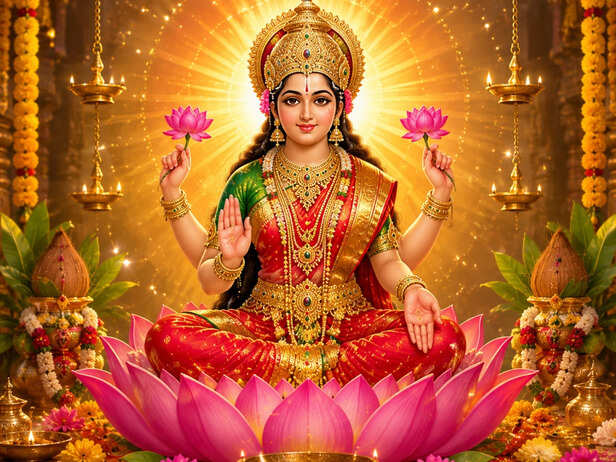
![Goddess Varalakshmi Seated on a Lotus]()
Goddess Varalakshmi Seated on a Lotus
Image credit : chatgpt(ai)
Unlike prayers that focus on just one aspect of the Goddess, the Mahalakshmi Ashtakam praises her divine power, beauty, compassion and ability to remove difficulties. It describes Lakshmi as the Goddess who blesses her devotees with prosperity and protects them from hardship. The eight verses also connect her with divine strength and the preservation of the universe. For devotees, reciting this stotra is not simply about asking for money. It is also an expression of gratitude and a prayer for a life filled with abundance, peace and auspiciousness.
The Verse Linked to Status and Royal Comforts
One of the most discussed lines in this stotra is Rajyam Prapnoti Sarvada. It is traditionally understood as a blessing associated with attaining a kingdom or a position of authority. Devotees interpret this as a prayer for success, recognition, respect and a dignified position in society. The verse adds another dimension to the meaning of prosperity. It is not limited to material wealth but also includes the ability to earn respect and live with dignity. This is why many devotees consider Mahalakshmi Ashtakam a prayer for overall abundance.
The Connection With Wealth and Prosperity
Goddess Lakshmi is traditionally worshipped as the deity of wealth, fortune and abundance. The Mahalakshmi Ashtakam reflects these qualities through its verses, which praise her as the source of prosperity and divine blessings. According to the traditional phalashruti, or description of the benefits of recitation, devotees who regularly chant this hymn are believed to receive her grace and experience freedom from financial difficulties. The prayer expresses the hope that a household remains blessed with food, wealth and the resources needed for a comfortable life.
Why Is It Recited Twice a Day?
The traditional phalashruti of Mahalakshmi Ashtakam describes the benefits of reciting the hymn regularly. Its concluding verses mention the practice of chanting it twice a day and associate it with blessings, prosperity and freedom from difficulties. Many devotees prefer to recite it in the morning and evening as part of their daily prayers. The regular practice also gives them time to remember the Goddess and express gratitude. Devotion, consistency and faith are central to this tradition, rather than treating the prayer as a guaranteed shortcut to material success.
What Does the Stotra Teach Beyond Wealth?
The deeper meaning of Mahalakshmi Ashtakam goes beyond the desire to become wealthy. Goddess Lakshmi represents auspiciousness, well-being and abundance in different forms. A prayer to her can also remind devotees to value the resources they already have and use them wisely. Wealth becomes meaningful when it supports a peaceful household, helps others and brings stability to life. Through its eight verses, the stotra encourages devotees to remember the divine qualities of Lakshmi and seek her blessings with sincerity and humility.
Make Mahalakshmi Ashtakam Part of Your Prayer
Devotees can include Mahalakshmi Ashtakam in their daily worship by choosing a peaceful time, keeping the prayer space clean and reciting all eight verses with attention. Morning and evening are commonly preferred times for this practice. Those unfamiliar with Sanskrit can listen to an accurate recitation and gradually learn the verses. The traditional phalashruti encourages regular chanting, but devotion should remain sincere rather than driven by fear or expectations of guaranteed rewards. The most meaningful practice is one that brings faith, gratitude and a sense of peace into everyday life.
Unlock insightful tips and inspiration on personal growth, productivity, and well-being. Stay motivated and updated with the latest at
My Life XP.