Why Does the Sun's Entry Into Scorpio Mark the Beginning of a Sacred 41-Day Journey?
Sudha Mishra | Published:
The Sun's entry into Scorpio marks an important transition in the Hindu solar calendar and signals the beginning of a spiritually significant period for Lord Ayyappa devotees. Known as Vrishchika Sankranti, this transition is closely associated with the Mandala season at Sabarimala, when devotees begin a 41-day period of prayer, discipline and self-restraint. But why do thousands of devotees follow this demanding spiritual routine before visiting Lord Ayyappa's temple?

Vrishchika Sankranti: The Sacred 41-Day Journey of Lord Ayyappa Devotees<br>
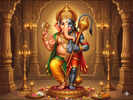
Image credit : ChatGPT AI
Why Is Vrishchika Sankranti Spiritually Important?
This transition also holds special importance for devotees of Lord Ayyappa, particularly in Kerala, where it signals the beginning of the Mandala pilgrimage season at the famous Sabarimala temple.
The occasion marks the beginning of a period when devotees prepare themselves for a pilgrimage through prayer, simplicity and self-discipline. Rather than treating the temple visit as an ordinary journey, they consider it an opportunity to practise devotion and control over their thoughts and actions.
What Is the Sacred 41-Day Mandala Vrat?
During this period, devotees follow a disciplined routine to prepare themselves physically, mentally and spiritually before visiting the temple.
The observance generally begins by wearing a sacred mala (prayer garland), often made of Rudraksha or Tulsi beads. A devotee usually receives the mala from a spiritual guide or Guru Swami, who helps them follow the traditional practices.
The 41 days are not simply about avoiding certain foods or following restrictions. They are intended to encourage devotees to develop patience, humility, self-control and devotion.
For many devotees, this period becomes an opportunity to step away from everyday distractions and focus more deeply on spiritual life.
Why Do Ayyappa Devotees Follow 41 Days of Discipline?
During these 41 days, devotees traditionally follow several practices:
- Brahmacharya: They practise celibacy and maintain control over physical desires.
- Simple living: They avoid unnecessary comforts and try to lead a modest lifestyle.
- Vegetarian food: Many devotees follow a strict vegetarian diet and avoid intoxicating substances.
- Daily prayers: They offer prayers to Lord Ayyappa, chant devotional hymns and participate in bhajans.
- Self-control: They try to avoid anger, dishonesty, negative thoughts and harmful behaviour.
- Respect for others: They practise humility and treat people with kindness, regardless of their social background.
The exact customs can vary between families, regions and spiritual traditions, but the central purpose remains devotion and self-restraint.
What Is the Connection Between Lord Ayyappa and the 41-Day Journey?
His story is associated with the destruction of the demoness Mahishi and the establishment of dharma. Sabarimala is traditionally believed to be the place where Lord Ayyappa chose to reside in a yogic form.
For devotees, the pilgrimage is therefore not just about reaching a temple. It is about following the ideals associated with Lord Ayyappa, including discipline, equality, devotion and control over worldly desires.
Why Do Devotees Wear Black During the Mandala Vrat?
What Is the Significance of the Irumudi Kettu?
This ritual symbolises that the journey to Lord Ayyappa is undertaken with devotion, preparation and a willingness to follow spiritual discipline.
Why Is the Mandala Season More Than Just a Temple Pilgrimage?
41 days, they attempt to move away from unnecessary distractions and develop qualities such as patience, kindness and self-control.The journey also has a strong community aspect. People from different backgrounds come together, follow similar practices and address one another as Swami.For many devotees, the experience becomes a reminder that spirituality is not limited to visiting temples or performing rituals. It also involves how people behave, treat others and manage their desires.
The official Sabarimala temple website describes the purpose of the 41-day Vrutham as developing discipline and healthy habits through sustained self-control and prayer.
A Solar Transition That Inspires Spiritual Discipline
In 2026, Vrishchika Sankranti falls on 16 November, when the Sun is expected to enter Scorpio at approximately 7:48 PM IST. The Malayalam month of Vrischikam and the associated Mandala season begin around 17 November. One important distinction is that the 41-day Mandala Vrat begins individually when a devotee wears the sacred mala and undertakes the observance. It is not compulsory for every devotee to begin their personal vow at exactly the same moment as the solar transition.Ultimately, the Mandala season reminds devotees that a spiritual journey begins with discipline and faith long before they reach the temple. For those who follow Lord Ayyappa, these 41 days are an opportunity to practise simplicity, strengthen devotion and bring positive changes into everyday life.
Unlock insightful tips and inspiration on personal growth, productivity, and well-being. Stay motivated and updated with the latest at My Life XP.