Imagine celebrating the wedding anniversary of Lord Ram and Goddess Sita, yet choosing not to marry your own daughter on that very day. This is a fascinating tradition followed by some families in Mithila, where Sita is not remembered only as a goddess but also as the beloved daughter of the region. Every year, Vivah Panchami celebrates the divine wedding of Ram and Sita, but behind the celebrations lies an emotional belief that surprises many devotees. Why do some families avoid weddings on a day associated with such a sacred union? The answer lies in the difficult chapters of Sita's life after her marriage.
When Is Vivah Panchami in 2026?
![Ram and Sita’s Golden Wedding Ceremony]()
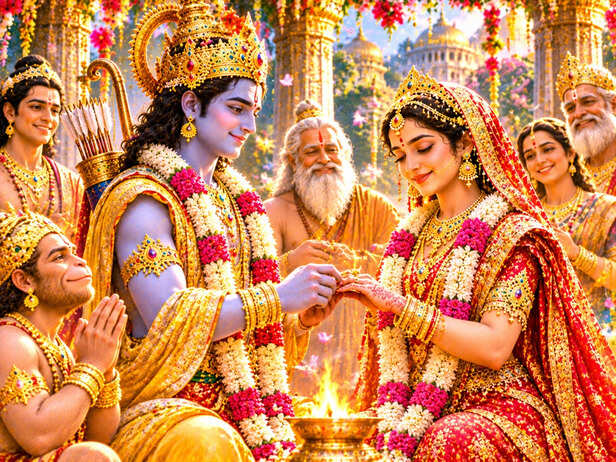
Ram and Sita’s Golden Wedding Ceremony
Image credit : chatgpt(ai)
Vivah Panchami will be observed on Monday, December 14, 2026. It falls on the fifth day of the Shukla Paksha in the month of Margashirsha. According to the New Delhi Panchang, the Panchami Tithi begins at 4:47 PM on December 13 and ends at 7:15 PM on December 14. Devotees celebrate this occasion as the anniversary of Ram and Sita's divine wedding. The festival holds special importance in Mithila, Janakpur and Ayodhya, where temples organise prayers and traditional wedding celebrations.
The Story Behind Ram and Sita's Wedding
![Goddess Sita in Ashoka Vatika]()
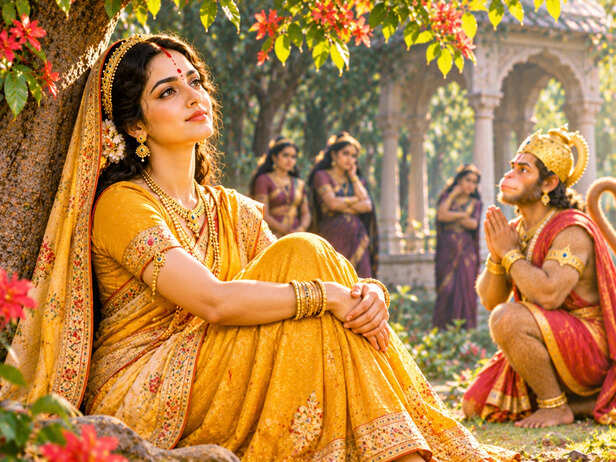
Goddess Sita in Ashoka Vatika
Image credit : chatgpt(ai)
According to the Ramayana tradition, King Janak of Mithila announced that his daughter Sita would marry the man who could lift and string Lord Shiva's mighty bow. Several powerful kings and warriors attempted the challenge but failed. Then, following the guidance of Sage Vishwamitra, Lord Ram stepped forward. He lifted the bow effortlessly and attempted to string it, but the powerful weapon broke into two pieces. Sita then placed the victory garland around Ram's neck, marking the beginning of their divine union.
Why Do Some Families Avoid Weddings on This Day?
Here comes the surprising part. In parts of Mithila and Nepal, some families traditionally avoid arranging their daughters' weddings on Vivah Panchami. The reason is connected to the hardships Sita experienced after marrying Ram. Despite being married into the royal family of Ayodhya, she faced fourteen years of forest exile, abduction by Ravana and the difficult period that followed her return. Some families believe that beginning a daughter's married life on the anniversary of this marriage would be an uncomfortable reminder of Sita's suffering. This is a regional folk belief, not a universal religious prohibition.
Why Is Sita Considered Mithila's Own Daughter?
For the people of Mithila, Sita is much more than a divine figure. She is Janak Nandini, the beloved daughter of their land. Her marriage is remembered like a daughter's departure from her parental home, while her later hardships remain deeply connected with regional folk traditions. This emotional bond explains why some families hesitate to celebrate their own daughters' weddings on Vivah Panchami. The custom reflects the affection with which Sita is remembered in Mithila, where her joys and sorrows are treated as those of a daughter from their own family.
Why Do Ayodhya and Janakpur Celebrate It Grandly?
Although some families avoid arranging personal weddings on this day, Vivah Panchami is celebrated with great enthusiasm in Ayodhya and Janakpur. In Janakpur, Nepal, the Janaki Mandir becomes a major centre of festivities, with traditional wedding ceremonies, processions and cultural programmes. Ayodhya also celebrates the occasion through Ram Vivah Utsav, devotional songs and symbolic wedding rituals. These celebrations honour the divine union of Ram and Sita rather than the hardships that followed in their lives.
How Can Devotees Celebrate Vivah Panchami?
Devotees can observe Vivah Panchami by worshipping Lord Ram and Goddess Sita at home or visiting a temple. One popular practice is to read the Bal Kand of the Ramcharitmanas, which describes their meeting, the breaking of Shiva's bow and their wedding. Some households also arrange a symbolic marriage ceremony for the divine couple, offer flowers and sweets, and sing traditional wedding songs. The occasion is an opportunity to pray for love, mutual respect and harmony in family life.
The Real Meaning Behind This Unique Tradition
The tradition of avoiding daughters' weddings on Vivah Panchami reveals an emotional side of Mithila's connection with Goddess Sita. While the rest of the country celebrates Ram and Sita's divine wedding, some families remember the difficult chapters of Sita's married life and choose not to arrange weddings on the same date. Neither practice represents a universal rule. Both reflect different ways of remembering the same sacred story. This Vivah Panchami, remember the divine couple, read the Ramcharitmanas and celebrate the values of love, dignity and devotion.
Unlock insightful tips and inspiration on personal growth, productivity, and well-being. Stay motivated and updated with the latest at
My Life XP.