Are You Chanting Om the Right Way? Ancient Vedic Rules Most People Don’t Know
Noopur Kumari | Wed, 25 Feb 2026
Everyone chants Om. It is spoken in yoga classes, whispered in temples, and repeated in meditation rooms across the world. But are we chanting it correctly? The sacred syllable Om is not just a sound it is vibration, breath, rhythm, and awareness combined. In the Taittiriya Upanishad, six precise rules are given to preserve the purity of Vedic chanting. When applied to Om, these principles transform a simple sound into a powerful spiritual experience. Let us discover the right way to chant Om with clarity, devotion, and ancient wisdom.

Chanting Om
Image credit : ChatGPT(AI)
Om is considered the primordial sound of creation. It represents the universe, consciousness, and divine energy. In Hindu philosophy, Om is not merely spoken it is experienced. Ancient sages understood that sound shapes the mind. That is why the Taittiriya Upanishad explains six essential rules for accurate chanting: Varṇa (pronunciation), Svara (pitch), Mātrā (length), Balam (strength), Sāma (musical balance), and Santāna (continuity). These are not complicated rituals. They are simple guidelines to ensure the sound vibrates correctly within the body and mind. When Om is chanted with awareness, it calms the nervous system, sharpens focus, and deepens meditation. Let us explore how to chant Om in the right way.
![Sound Begins with Clarity]()
Varṇa refers to precise pronunciation, which is essential in Vedic chanting. The sacred syllable Om is correctly expressed as A U M, blended into one seamless vibration. The sound A rises from the base of the throat, opening the chest and creating expansion. The sound U gently moves upward, resonating through the heart and chest region. The sound M closes at the lips, producing a soft humming vibration that settles in the head. Each part should be pronounced clearly and mindfully, not rushed into a short Om. When articulated with awareness, the vibration flows harmoniously through the body, creating steadiness, focus, and inner calm.
Svara means pitch or tone, and it plays a vital role in Vedic chanting. Traditionally, three tonal levels are used: low, middle, and high. These subtle variations preserve the purity of sacred sound vibrations. When chanting Om, the voice should remain steady and comfortable, never loud or strained, and never too soft or fading. Begin with a gentle rise during the A and U sounds, then allow the M to gradually soften and settle. The transition should feel smooth and effortless. When pitch is balanced and natural, the breath aligns with the sound, and the mind slowly enters a state of calm awareness.
![Slow, Not Rushed]()
Mātrā refers to the proper duration of sound in Vedic chanting. When chanting Om, speed matters greatly. It should never be rushed or spoken abruptly. Traditionally, the “A” begins clearly, the “U” gently rolls forward, and the “M” is prolonged slightly longer, allowing it to hum softly before dissolving into silence. For example, chant it as A U Mmmm, then pause. That quiet pause is not empty. It is where the vibration settles into the mind and body. Slow chanting deepens resonance, steadies breathing, sharpens focus, and creates a calm, centered state of awareness within.
Mātrā refers to the proper duration of sound. When chanting Om, the timing must be calm and balanced, never rushed. The sound unfolds in three gentle parts. The “A” begins in the throat and is brief yet clear. The “U” flows forward through the mouth and remains smooth and slightly extended. The “M” is the longest part, humming softly as the lips close, allowing the vibration to spread through the head and chest. After the sound fades, remain in silence for a few seconds. This quiet pause is essential. It allows the vibration to settle deeply, bringing clarity, focus, and inner stillness.
![From Sound to Silence]()
Santāna means continuity. Om should flow as one unbroken sound, not separate syllables. “A-U-M” merges smoothly into a single vibration. After the sound fades, sit quietly for a few seconds. This silence is part of the chant. It represents awareness beyond sound. The complete experience includes vibration and stillness together. This continuity creates inner stability and emotional balance. Chanting Om correctly is not about perfection; it is about awareness. The ancient sages preserved these rules so that the sound’s power remains intact. When you pronounce clearly, maintain balanced pitch, chant with proper length, use gentle strength, and allow smooth continuity, Om becomes transformative.
Om is more than a word it is a sacred vibration that connects breath, body, and mind. The six rules described in the Taittiriya Upanishad remind us that even a simple sound deserves attention and respect. When chanted properly, Om reduces stress, improves concentration, and brings emotional stability. You do not need special equipment or rituals. Just sit comfortably, breathe deeply, and chant with awareness. The right way to chant Om is not complicated it is mindful, balanced, and sincere. And in that sincerity, the sound becomes a doorway to inner peace.
Unlock insightful tips and inspiration on personal growth, productivity, and well-being. Stay motivated and updated with the latest at My Life XP.
1. What is the correct way to chant Om?
The correct way to chant Om is to pronounce it as A-U-M in one smooth flow. The “A” begins in the throat, the “U” moves through the mouth, and the “M” ends with a gentle humming sound. After chanting, sit quietly for a few seconds to feel the vibration settle within you.
2. How long should Om be chanted?
Om should be chanted slowly and calmly. The first two sounds, A and U, are shorter, while the M is slightly longer and fades into silence. The pause after chanting is equally important for mental clarity.
3. Why is silence important after chanting Om?
Silence allows the vibration of the sound to settle in the body and mind. This stillness deepens awareness and enhances the calming effect of the chant.
4. Can beginners chant Om without guidance?
Yes, beginners can chant Om easily. Sit comfortably, breathe deeply, and chant in a natural tone without strain. Focus on smooth flow and steady breathing.
5. How many times should Om be chanted daily?
Many people chant Om three, eleven, or twenty-one times. The number is flexible. What matters most is sincerity, focus, and consistency.
Clear Pronunciation (Varṇa)
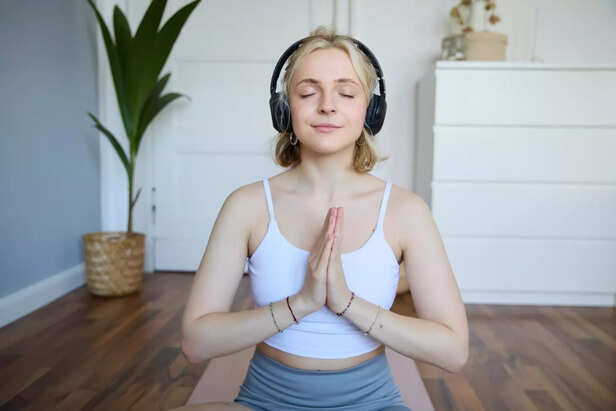
Sound Begins with Clarity
Image credit : Freepik
Varṇa refers to precise pronunciation, which is essential in Vedic chanting. The sacred syllable Om is correctly expressed as A U M, blended into one seamless vibration. The sound A rises from the base of the throat, opening the chest and creating expansion. The sound U gently moves upward, resonating through the heart and chest region. The sound M closes at the lips, producing a soft humming vibration that settles in the head. Each part should be pronounced clearly and mindfully, not rushed into a short Om. When articulated with awareness, the vibration flows harmoniously through the body, creating steadiness, focus, and inner calm.
Balanced Pitch (Svara)
Proper Length (Mātrā)

Slow, Not Rushed
Image credit : Freepik
Mātrā refers to the proper duration of sound in Vedic chanting. When chanting Om, speed matters greatly. It should never be rushed or spoken abruptly. Traditionally, the “A” begins clearly, the “U” gently rolls forward, and the “M” is prolonged slightly longer, allowing it to hum softly before dissolving into silence. For example, chant it as A U Mmmm, then pause. That quiet pause is not empty. It is where the vibration settles into the mind and body. Slow chanting deepens resonance, steadies breathing, sharpens focus, and creates a calm, centered state of awareness within.
Gentle Strength (Balam & Sāma)
Continuous Flow (Santāna)

From Sound to Silence
Image credit : Freepik
Santāna means continuity. Om should flow as one unbroken sound, not separate syllables. “A-U-M” merges smoothly into a single vibration. After the sound fades, sit quietly for a few seconds. This silence is part of the chant. It represents awareness beyond sound. The complete experience includes vibration and stillness together. This continuity creates inner stability and emotional balance. Chanting Om correctly is not about perfection; it is about awareness. The ancient sages preserved these rules so that the sound’s power remains intact. When you pronounce clearly, maintain balanced pitch, chant with proper length, use gentle strength, and allow smooth continuity, Om becomes transformative.
From Sound to Silence
Unlock insightful tips and inspiration on personal growth, productivity, and well-being. Stay motivated and updated with the latest at My Life XP.
Frequently Asked Questions (FAQs)
The correct way to chant Om is to pronounce it as A-U-M in one smooth flow. The “A” begins in the throat, the “U” moves through the mouth, and the “M” ends with a gentle humming sound. After chanting, sit quietly for a few seconds to feel the vibration settle within you.
2. How long should Om be chanted?
Om should be chanted slowly and calmly. The first two sounds, A and U, are shorter, while the M is slightly longer and fades into silence. The pause after chanting is equally important for mental clarity.
3. Why is silence important after chanting Om?
Silence allows the vibration of the sound to settle in the body and mind. This stillness deepens awareness and enhances the calming effect of the chant.
4. Can beginners chant Om without guidance?
Yes, beginners can chant Om easily. Sit comfortably, breathe deeply, and chant in a natural tone without strain. Focus on smooth flow and steady breathing.
5. How many times should Om be chanted daily?
Many people chant Om three, eleven, or twenty-one times. The number is flexible. What matters most is sincerity, focus, and consistency.