Could Deleted Votes Have Changed 31 Bengal Seats?
Noopur Kumari | Tue, 12 May 2026
Imagine losing an election by a few hundred votes while thousands of names are simultaneously removed from voter lists in the same constituency. That is exactly the argument now being pushed before the Supreme Court. TMC leaders claim the BJP’s winning margins in 31 seats were smaller than the number of deleted voters under adjudication. The Election Commission strongly disagrees and says legal remedies already exist through election petitions. But the Supreme Court’s response has added a new twist the court has allowed fresh applications to be filed, opening the door for deeper judicial examination of the issue.

TMC’s Explosive Claim
Image credit : ANI
What happens when the number of deleted voters becomes bigger than the winning margin in an election seat? That question is now at the centre of a major political and legal debate in West Bengal after All India Trinamool Congress made explosive claims before the Supreme Court of India. The party alleged that deletions during the Special Intensive Revision (SIR) of electoral rolls may have materially affected results in multiple constituencies. Suddenly, a technical electoral process has turned into one of the most closely watched political controversies in the country.
![the Vote Deletion Claim Raising Questions]()
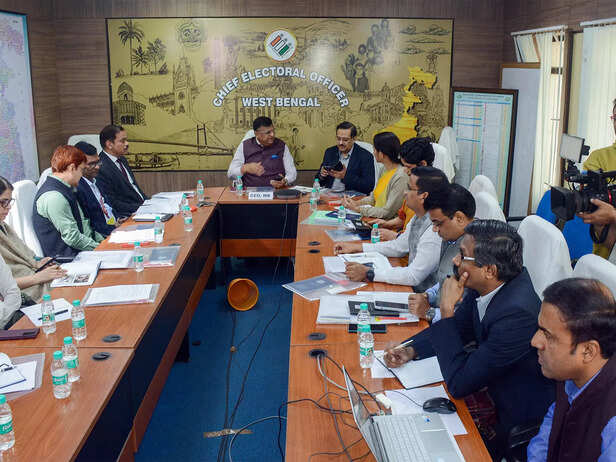
According to submissions made before the Supreme Court, TMC leaders argued that in 31 assembly constituencies, the BJP’s victory margin was smaller than the number of voters removed during the Special Intensive Revision process. In one example discussed during the hearing, a candidate reportedly lost by only 862 votes while more than 5,400 names were removed for adjudication. The claim immediately intensified political debate because it suggested that voter deletions may have influenced final election outcomes. While these allegations are still under legal examination, the controversy has sparked broader public questions about electoral transparency and voter list verification procedures.
![Supreme Court Opens Door For Fresh Examination]()
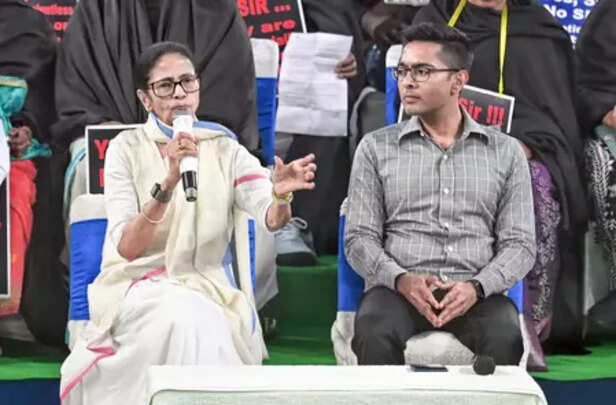
During the hearing, the Supreme Court bench indicated that claims related to election results being materially affected due to voter deletions may require separate examination through fresh applications. Justice Joymalya Bagchi reportedly observed that if deleted votes exceed victory margins, the issue could deserve judicial scrutiny. The court also focused heavily on delays in resolving pending appeals linked to additions and deletions in electoral rolls. Instead of immediately accepting or rejecting the allegations, the bench signalled that the matter needed structured legal review. That response instantly gave the controversy larger national and political significance beyond West Bengal alone.
Senior advocates appearing before the court argued that lakhs of appeals linked to voter additions and deletions remain unresolved. Concerns were raised that at the current pace, some cases may take years to conclude. This delay became one of the most sensitive parts of the hearing because unresolved appeals directly affect public trust in the electoral process. The Supreme Court indicated that expediting these appeals would become a priority. Legal observers believe the court now faces a difficult balance — ensuring electoral integrity while also avoiding unnecessary disruption to completed election outcomes and democratic stability.
The Election Commission of India opposed the submissions strongly during the hearing. Lawyers representing the commission argued that disputes related to electoral outcomes should be addressed through election petitions instead of broader constitutional challenges. The commission maintained that legal mechanisms already exist for handling grievances connected to voter additions or deletions. This argument reflects a larger institutional concern about maintaining the established election dispute framework. While the TMC claims possible material impact on results, the Election Commission insists the process must follow existing legal remedies designed specifically for election-related controversies.
This controversy is no longer just about a few constituencies in West Bengal. It has opened larger national questions about electoral roll management, transparency, and public trust in democratic systems. Voter list revisions happen regularly across India, but allegations linking deletions directly to election outcomes naturally create political tension. The case also highlights how even technical administrative processes can suddenly become emotionally charged public issues. For ordinary citizens, the core concern remains simple whether every eligible voter receives a fair chance to participate in democracy without errors, delays, or confusion affecting the final result.
Elections are often decided by narrow margins, which is why even small disputes over voter lists can quickly become major national controversies. The current legal battle in West Bengal has transformed an administrative process into a politically explosive debate involving democracy, transparency, and public trust. While the Supreme Court has not reached any final conclusion yet, its willingness to examine fresh applications ensures the controversy is far from over. And as legal proceedings continue, one question will keep dominating political discussions: can deleted voters change the outcome of democracy itself?
Unlock insightful tips and inspiration on personal growth, productivity, and well-being. Stay motivated and updated with the latest at My Life XP.
1. What claim did TMC make in the Supreme Court?
All India Trinamool Congress claimed that deletions during the Special Intensive Revision (SIR) of electoral rolls may have materially affected election results in several constituencies in West Bengal.
2. Why is the voter deletion issue controversial?
The controversy arose because TMC argued that in 31 constituencies, the BJP’s winning margin was reportedly smaller than the number of deleted voters under adjudication.
3. What did the Supreme Court say about the matter?
The Supreme Court of India said fresh applications regarding claims of materially affected results could be filed and examined separately.
4. What is the Special Intensive Revision (SIR)?
SIR is a process used to verify and update electoral rolls by reviewing voter eligibility, additions, corrections, and deletions.
5. What example was highlighted during the hearing?
According to submissions made in court, one candidate reportedly lost by 862 votes in a constituency where more than 5,400 voter names were removed for adjudication.
The Numbers That Triggered Political Shockwaves
the Vote Deletion Claim Raising Questions
Image credit : ANI
According to submissions made before the Supreme Court, TMC leaders argued that in 31 assembly constituencies, the BJP’s victory margin was smaller than the number of voters removed during the Special Intensive Revision process. In one example discussed during the hearing, a candidate reportedly lost by only 862 votes while more than 5,400 names were removed for adjudication. The claim immediately intensified political debate because it suggested that voter deletions may have influenced final election outcomes. While these allegations are still under legal examination, the controversy has sparked broader public questions about electoral transparency and voter list verification procedures.
The Supreme Court’s Response Changed The Debate
Supreme Court Opens Door For Fresh Examination
Image credit : IANS
During the hearing, the Supreme Court bench indicated that claims related to election results being materially affected due to voter deletions may require separate examination through fresh applications. Justice Joymalya Bagchi reportedly observed that if deleted votes exceed victory margins, the issue could deserve judicial scrutiny. The court also focused heavily on delays in resolving pending appeals linked to additions and deletions in electoral rolls. Instead of immediately accepting or rejecting the allegations, the bench signalled that the matter needed structured legal review. That response instantly gave the controversy larger national and political significance beyond West Bengal alone.
Why Pending Appeals Became A Major Concern
The Election Commission Strongly Opposed The Claims
Why This Case Matters Beyond One State
The Bigger Questions Around Electoral Trust
Unlock insightful tips and inspiration on personal growth, productivity, and well-being. Stay motivated and updated with the latest at My Life XP.
Frequently Asked Questions (FAQs)
All India Trinamool Congress claimed that deletions during the Special Intensive Revision (SIR) of electoral rolls may have materially affected election results in several constituencies in West Bengal.
2. Why is the voter deletion issue controversial?
The controversy arose because TMC argued that in 31 constituencies, the BJP’s winning margin was reportedly smaller than the number of deleted voters under adjudication.
3. What did the Supreme Court say about the matter?
The Supreme Court of India said fresh applications regarding claims of materially affected results could be filed and examined separately.
4. What is the Special Intensive Revision (SIR)?
SIR is a process used to verify and update electoral rolls by reviewing voter eligibility, additions, corrections, and deletions.
5. What example was highlighted during the hearing?
According to submissions made in court, one candidate reportedly lost by 862 votes in a constituency where more than 5,400 voter names were removed for adjudication.