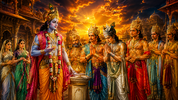
Did Shiva Break His Own Rules? A Story No One Talks About
Noopur Kumari | Wed, 06 May 2026
We often believe divine beings are perfect, unchanging, and always in control. But what if the truth is more complex? There was a moment when even Shiva faced a situation where following his own rules meant losing something deeply personal. A choice had to be made not between right and wrong, but between law and love. And that decision changed everything. It revealed a side of divinity rarely discussed one that feels, reacts, and transforms. This story challenges what we think we know about balance, emotion, and the true nature of strength.

Shiva
Image credit : Freepik
We often believe divine beings are perfect, unchanging, and always in control. But what if the truth is more complex? There was a moment when even Shiva faced a situation where following his own rules meant losing something deeply personal. A choice had to be made not between right and wrong, but between law and love. And that decision changed everything. It revealed a side of divinity rarely discussed one that feels, reacts, and transforms. This story challenges what we think we know about balance, emotion, and the true nature of strength.
![The Silence Before Destruction]()
The story begins with Sati, the first consort of Shiva. When her father insulted Shiva publicly, she chose to sacrifice herself in protest. This moment shattered the balance. Shiva, known for detachment, was suddenly consumed by grief and anger. The calm yogi was no longer still. This was not just loss it was a turning point. The universe itself felt the shift. For the first time, emotion began to overpower the very principles Shiva stood for. And what followed was something no one could have predicted.
![The Rise of Cosmic Anger]()
Shiva is known to be beyond attachment. But in this moment, that boundary broke. His grief turned into intense rage, leading to the creation of Veerabhadra, a fierce form born to destroy. This act wasn’t just reaction it was a decision. A decision driven by emotion rather than cosmic balance. The destruction that followed was massive. It wasn’t controlled, measured, or neutral. It was personal. And that’s what makes this moment so powerful. It shows that even the most detached force can experience something deeply human.
![Balance vs Emotion]()
This is where the real question arises. Did Shiva break his own rules? The answer isn’t simple. Shiva represents balance, destruction, and transformation but always with purpose. Yet here, his actions were driven by grief. It wasn’t just cosmic duty. It was emotional response. This blurs the line between divine law and personal feeling. But maybe that’s the point. Maybe this story isn’t about breaking rules but about showing that even divine energy understands the depth of emotion.
This story isn’t just mythology it’s a reflection of life. We all create rules for ourselves. Stay calm. Stay strong. Stay in control. But there are moments when emotions take over. And in those moments, we feel like we’ve failed. But this story suggests something else. It shows that breaking your own rules doesn’t always mean weakness. Sometimes, it means you are human. It means you felt deeply. And that feeling itself has meaning.
The real lesson is not about destruction it’s about understanding balance. Emotions are not the enemy. Ignoring them is. The key is not to suppress feelings but to understand them. Shiva’s story reminds us that even in moments of chaos, transformation is possible. After destruction comes renewal. After loss comes growth. And after breaking comes rebuilding. The goal is not perfection it’s awareness. Because true strength lies not in never breaking but in knowing how to rise again.
Unlock insightful tips and inspiration on personal growth, productivity, and well-being. Stay motivated and updated with the latest at My Life XP.
1. Did Shiva really break his own rules?
Not exactly. The story reflects a moment where Shiva expressed intense emotion after losing Sati. It’s less about breaking rules and more about revealing a deeper aspect of divine consciousness.
2. Why is this story important?
It shows that even the highest form of balance can experience emotion. The story highlights the connection between detachment and feeling, making it relatable on a human level.
3. Who was Sati and what happened to her?
Sati was Shiva’s first consort. She sacrificed herself after her father disrespected Shiva, leading to a powerful emotional and cosmic reaction.
4. What is the role of Veerabhadra in this story?
Veerabhadra was created by Shiva in anger to destroy the source of Sati’s humiliation. He represents the intense force born from grief and injustice.
5. What does this story teach us?
It teaches that emotions are not weakness. Even divine forces acknowledge them. True balance comes from understanding emotions, not suppressing them.
The Moment That Changed Everything
The Silence Before Destruction
Image credit : Pixabay
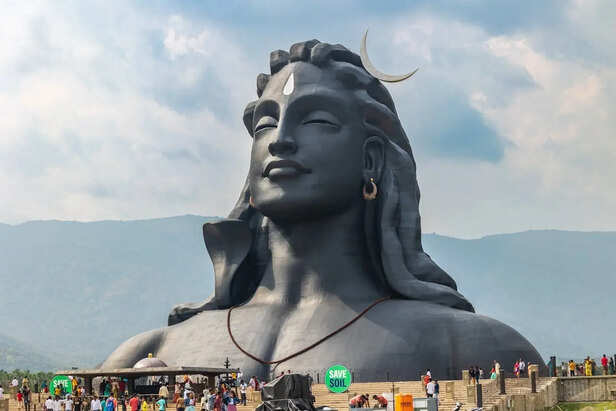
The story begins with Sati, the first consort of Shiva. When her father insulted Shiva publicly, she chose to sacrifice herself in protest. This moment shattered the balance. Shiva, known for detachment, was suddenly consumed by grief and anger. The calm yogi was no longer still. This was not just loss it was a turning point. The universe itself felt the shift. For the first time, emotion began to overpower the very principles Shiva stood for. And what followed was something no one could have predicted.
When Detachment Turned Into Rage

The Rise of Cosmic Anger
Image credit : Pixabay
Shiva is known to be beyond attachment. But in this moment, that boundary broke. His grief turned into intense rage, leading to the creation of Veerabhadra, a fierce form born to destroy. This act wasn’t just reaction it was a decision. A decision driven by emotion rather than cosmic balance. The destruction that followed was massive. It wasn’t controlled, measured, or neutral. It was personal. And that’s what makes this moment so powerful. It shows that even the most detached force can experience something deeply human.
Did Shiva Break His Own Rules?
Balance vs Emotion
Image credit : Pixabay
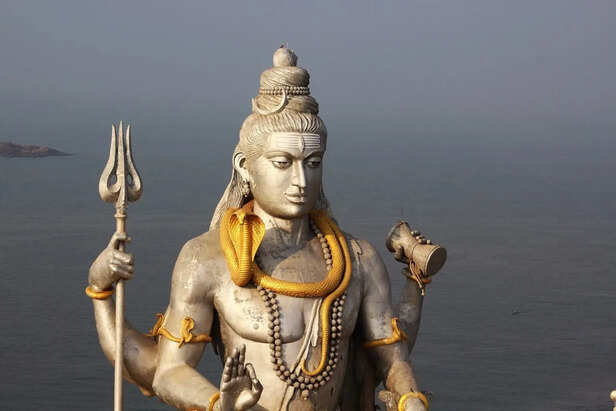
This is where the real question arises. Did Shiva break his own rules? The answer isn’t simple. Shiva represents balance, destruction, and transformation but always with purpose. Yet here, his actions were driven by grief. It wasn’t just cosmic duty. It was emotional response. This blurs the line between divine law and personal feeling. But maybe that’s the point. Maybe this story isn’t about breaking rules but about showing that even divine energy understands the depth of emotion.
The Deeper Meaning Behind the Story
What This Teaches Us Today
Unlock insightful tips and inspiration on personal growth, productivity, and well-being. Stay motivated and updated with the latest at My Life XP.
Frequently Asked Questions (FAQs)
Not exactly. The story reflects a moment where Shiva expressed intense emotion after losing Sati. It’s less about breaking rules and more about revealing a deeper aspect of divine consciousness.
2. Why is this story important?
It shows that even the highest form of balance can experience emotion. The story highlights the connection between detachment and feeling, making it relatable on a human level.
3. Who was Sati and what happened to her?
Sati was Shiva’s first consort. She sacrificed herself after her father disrespected Shiva, leading to a powerful emotional and cosmic reaction.
4. What is the role of Veerabhadra in this story?
Veerabhadra was created by Shiva in anger to destroy the source of Sati’s humiliation. He represents the intense force born from grief and injustice.
5. What does this story teach us?
It teaches that emotions are not weakness. Even divine forces acknowledge them. True balance comes from understanding emotions, not suppressing them.