Is the Moon Secretly Pulling the Strings on Your Mood?
Bindu Mishra | Thu, 05 Jun 2025
Humans have long gazed at the Moon, attributing everything from romance to madness to its celestial glow. But could there be some truth behind the age-old idea that the Moon impacts our moods? Ancient civilizations thought so and modern science, surprisingly, is beginning to explore this possibility with renewed interest.

How Moon affects your emotions
Image credit : Freepik
A Long History of Lunar Belief
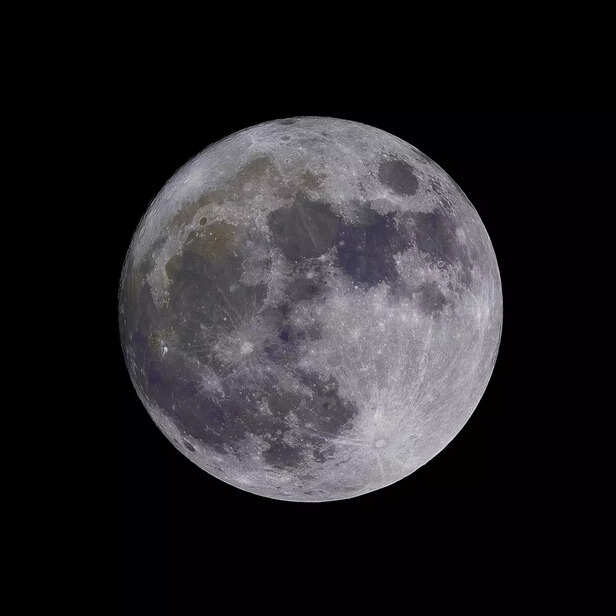
Moon
Image credit : Freepik
The connection between the Moon and human behaviour dates back thousands of years. The term “lunatic” stems from luna, the Latin word for Moon, reflecting the belief that certain phases especially the full moon could induce erratic behaviorr. Folklore from various cultures links the full moon to insomnia, aggression, increased crime rates, and emotional upheaval.
While some of these ideas may seem outdated or superstitious, their persistence invites a closer look: what if the Moon really does tug at more than just the tides?
The Science of Lunar Influence
Gravitational Pull: More Than Just Tides?
So scientifically speaking, while the Moon certainly impacts the planet, its gravitational effects on individual humans are too small to significantly alter behaviour or mood.
Circadian Rhythms and Sleep Patterns
Poor sleep is directly linked to changes in mood, irritability, and even depression. If lunar phases subtly disrupt our rest, they might indirectly contribute to mood fluctuations.
Mood Swings, Menstrual Cycles, and the Moon
Anthropologically, some theories propose that in ancient times, women’s menstrual cycles might have been more in sync with the Moon when artificial light wasn’t a factor. Today, factors like stress, diet, and screen exposure complicate that potential link.
Full Moon: Fiction or Fact?
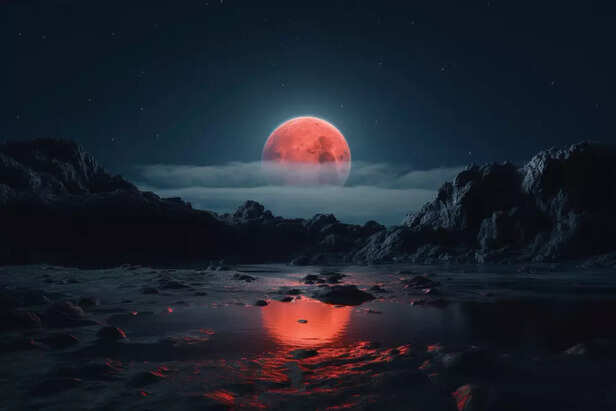
Full Moon
Image credit : Freepik
Popular culture often paints the full moon as a time of heightened emotion or chaos. Emergency rooms, psychiatric units, and even police stations are often rumored to be busier during full moons. But do the numbers back this up?
Scientific studies have shown mixed results. A meta-analysis published in 1985 reviewed over 100 studies and found no consistent evidence of increased violence or psychiatric issues during a full moon. However, a 2009 Swiss study did report more animal bites in humans during full moons, hinting at possible behavioral changes.
What’s more likely is that the full moon serves as a psychological trigger a bright, highly visible celestial event that makes us more aware of our emotions and surroundings, leading to a perception that more is happening, even if it's not statistically significant.
Spiritual and Psychological Perspectives
spritual
Image credit : Freepik
Beyond science, many spiritual traditions associate moon phases with emotional and energetic shifts. In astrology, the Moon rules emotions, intuition, and the inner self. Each moon phase from the new moon’s reflective stillness to the full moon’s illuminating power is believed to influence emotional expression and mental clarity.
Psychologists also point out that belief itself can affect behavior. If someone expects to feel anxious or energized during a full moon, they may unconsciously act in ways that fulfill that belief. This is known as the placebo effect, and it can be surprisingly powerful.
How to Track Your Mood with the Moon
If you're curious about the connection between your emotions and the lunar cycle, try tracking your mood over one or two months alongside the moon phases. Here’s how:
Keep a Moon Journal: Record your mood, energy levels, and sleep quality each day. Note the lunar phase.
Use Apps or Calendars: Lunar tracking apps can alert you to upcoming full and new moons.
Identify Patterns: After a few weeks, you may start to notice trends. For example, you might feel introspective during the waning moon and energized around the full moon.
This approach won’t offer definitive scientific proof, but it may give you personal insights into your emotional rhythms.
Should You Take Lunar Influence Seriously?
However, it’s also important not to use the Moon as an excuse to avoid responsibility for your actions or emotions. Feeling off during a full moon doesn’t justify irrational behavior, but recognizing the pattern might help you manage it better.
The Verdict: Is the Moon Pulling Your Emotional Strings?
emotional strings managed by moon?
Image credit : Freepik
The Moon’s influence on human mood is not fully confirmed by science, but neither is it completely dismissed. While the gravitational effect on individuals is minimal, evidence suggests that lunar phases might affect sleep, psychological states, and even menstrual cycles.
Ultimately, whether the Moon is truly manipulating your mood or simply serving as a mirror for inner changes, its power real or perceived is something worth exploring. Like the tides, our emotions ebb and flow. And perhaps, just perhaps, the Moon is helping guide the way.
Unlock insightful tips and inspiration on personal growth, productivity, and well-being. Stay motivated and updated with the latest at My Life XP.
Frequently Asked Questions ( FAQ's)
- Can the Moon really affect my mood?
There’s no conclusive scientific proof, but some studies suggest lunar phases may impact sleep and emotional regulation. Many people report mood shifts during full or new moons, but this may also be psychological or symbolic. - Why do I feel anxious or restless during a full moon?
Poor sleep is more common around the full moon, which may explain heightened emotions or restlessness. The brightness and visibility of a full moon can also make people more aware of their inner states. - Is there a connection between the Moon and menstrual cycles?
The average menstrual cycle closely mirrors the Moon’s cycle, and some believe there's a natural synchrony. While intriguing, this link isn’t scientifically proven and varies from person to person. - How can I tell if the Moon affects me personally?
Try tracking your mood, energy, and sleep across one or two lunar cycles using a journal or app. Over time, patterns may emerge that help you understand your emotional rhythms better.