Why Strong Men Cry in Silence: What Hanuman Understood About Pain
Noopur Kumari | Mon, 16 Feb 2026
This article highlights five powerful moments from the life of Lord Hanuman that reveal the meaning of silent strength. Rooted in the sacred teachings of the Ramayana, these stories reflect courage guided by compassion, loyalty shaped by devotion, and emotional control grounded in wisdom. Hanuman’s character shows that real masculinity is not about dominance but about service and inner balance. Backed by scriptural tradition and spiritual scholarship, his example remains deeply relevant today. These timeless lessons inspire resilience, emotional maturity, and faith driven leadership in modern life.

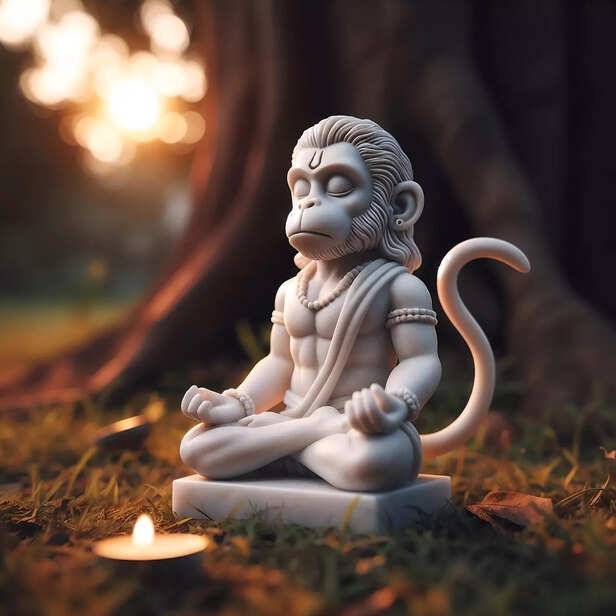
Hanuman
Image credit : ChatGPT (AI)
Strength is often seen as loud, fearless, and unbreakable. But true strength can also be silent. In Hindu tradition, Lord Hanuman is remembered as the mightiest warrior and the greatest devotee. Yet beneath his power was deep emotion, humility, and quiet endurance. His life in the Ramayana reveals that even the strongest hearts feel pain. Hanuman teaches that courage is not the absence of tears. It is the ability to carry pain with dignity and devotion.
![Hanuman Bowing to Rama]()
Though powerful enough to move mountains, Hanuman always bowed before Lord Rama. His strength never became arrogance. He chose service over pride. Many strong men hide their struggles because they feel they must appear invincible. Hanuman shows that humility is greater than ego. True strength means knowing your power and still remaining gentle. Silent endurance does not mean weakness. It reflects control and deep inner balance shaped by devotion.
![Hanuman Searching for Sita]()
When Sita was taken to Lanka, Lord Hanuman crossed the vast ocean alone to find her, as described in the Ramayana. His mission was filled with danger, doubt, and emotional weight, yet he carried the sorrow of Lord Rama silently. He did not seek sympathy. He chose action over complaint. This powerful episode reflects responsibility, loyalty, and emotional resilience. Hanuman teaches that true strength lies in perseverance and service. His journey continues to inspire millions who carry silent burdens with courage and faith.
![Hanuman Reveals His Heart]()
In one famous story, Hanuman tears open his chest to reveal Rama and Sita living in his heart. This act symbolizes pure devotion and emotional transparency. Strong men often hide feelings to protect others. Hanuman teaches that love is not weakness. Deep emotion strengthens character. When pain is guided by faith and purpose, it transforms into spiritual power. Devotion gave Hanuman emotional resilience.
In Lanka, Lord Hanuman faced humiliation and extreme danger when his tail was set on fire by the forces of Ravana. Instead of reacting with anger or despair, Hanuman transformed pain into purposeful action and burned Lanka to protect dharma. This powerful episode from the Ramayana highlights emotional control, resilience, and righteous strength. Revered by scholars and devotees alike, Hanuman’s response teaches that true power lies in discipline and justice. His story continues to inspire millions seeking courage, faith, and moral clarity in difficult times.
After finding Sita in Lanka, Lord Hanuman returned humbly to Lord Rama without seeking praise. Described in the sacred Ramayana, this moment highlights the essence of true strength rooted in service and devotion. Hanuman’s actions reflect discipline, emotional control, and unwavering faith. Scholars and spiritual teachers often cite this episode as an example of selfless leadership. His quiet return shows that real power does not demand recognition. Silent endurance, guided by humility and purpose, becomes a source of inner greatness and lasting spiritual authority.
Unlock insightful tips and inspiration on personal growth, productivity, and well-being. Stay motivated and updated with the latest at My Life XP.
1. Why did Lord Hanuman not seek praise after finding Sita?
Lord Hanuman believed in selfless service. After locating Sita, he returned to Lord Rama with humility. His focus was duty, not recognition. This reflects the core teaching of devotion in the Ramayana.
2. What does Hanuman’s silent strength teach us?
Hanuman shows that true strength includes patience, emotional control, and faith. Silent endurance guided by purpose becomes a powerful form of inner resilience.
3. Is humility considered a strength in Hindu philosophy?
Yes. Hindu scriptures emphasize humility as a sign of wisdom and spiritual maturity. Hanuman’s character is often cited as the perfect example of strength balanced with devotion.
4. How is Hanuman viewed in modern spiritual teachings?
Spiritual leaders present Hanuman as a model of loyalty, courage, and disciplined service. His life inspires people to act with integrity without seeking validation.
5. Why is Hanuman still widely worshipped today?
Devotees believe Hanuman represents protection, devotion, and fearlessness. His story continues to guide individuals facing emotional and personal challenges.
Strength With Humility

Hanuman Bowing to Rama
Image credit : ai studio.google.
Though powerful enough to move mountains, Hanuman always bowed before Lord Rama. His strength never became arrogance. He chose service over pride. Many strong men hide their struggles because they feel they must appear invincible. Hanuman shows that humility is greater than ego. True strength means knowing your power and still remaining gentle. Silent endurance does not mean weakness. It reflects control and deep inner balance shaped by devotion.
Pain of Separation

Hanuman Searching for Sita
Image credit : ChatGPT (AI)
When Sita was taken to Lanka, Lord Hanuman crossed the vast ocean alone to find her, as described in the Ramayana. His mission was filled with danger, doubt, and emotional weight, yet he carried the sorrow of Lord Rama silently. He did not seek sympathy. He chose action over complaint. This powerful episode reflects responsibility, loyalty, and emotional resilience. Hanuman teaches that true strength lies in perseverance and service. His journey continues to inspire millions who carry silent burdens with courage and faith.
Devotion Beyond Recognition
Hanuman Reveals His Heart
Image credit : Freepik
In one famous story, Hanuman tears open his chest to reveal Rama and Sita living in his heart. This act symbolizes pure devotion and emotional transparency. Strong men often hide feelings to protect others. Hanuman teaches that love is not weakness. Deep emotion strengthens character. When pain is guided by faith and purpose, it transforms into spiritual power. Devotion gave Hanuman emotional resilience.
Courage During Destruction
Silent Return After Victory
Unlock insightful tips and inspiration on personal growth, productivity, and well-being. Stay motivated and updated with the latest at My Life XP.
Frequently Asked Questions (FAQs)
Lord Hanuman believed in selfless service. After locating Sita, he returned to Lord Rama with humility. His focus was duty, not recognition. This reflects the core teaching of devotion in the Ramayana.
2. What does Hanuman’s silent strength teach us?
Hanuman shows that true strength includes patience, emotional control, and faith. Silent endurance guided by purpose becomes a powerful form of inner resilience.
3. Is humility considered a strength in Hindu philosophy?
Yes. Hindu scriptures emphasize humility as a sign of wisdom and spiritual maturity. Hanuman’s character is often cited as the perfect example of strength balanced with devotion.
4. How is Hanuman viewed in modern spiritual teachings?
Spiritual leaders present Hanuman as a model of loyalty, courage, and disciplined service. His life inspires people to act with integrity without seeking validation.
5. Why is Hanuman still widely worshipped today?
Devotees believe Hanuman represents protection, devotion, and fearlessness. His story continues to guide individuals facing emotional and personal challenges.