What Changes When A Woman Writes A Woman?
Noopur Kumari | Jun 12, 2026, 18:00 IST
For centuries, male and female writers have portrayed women differently. While many male writers often viewed women through beauty, romance, or idealism, female writers frequently explored inner struggles, emotional battles, social restrictions, and personal identity. This difference does not make one approach right and the other wrong. Instead, it reveals how experience shapes storytelling. Understanding this contrast helps us read literature with deeper awareness and discover voices that history sometimes overlooked.

A woman walks through the pages of literature. Sometimes she is described through her eyes, her beauty, her grace, and her charm. Other times she appears carrying silence, struggle, rebellion, and wounds that cannot be seen. Why does this difference exist? The answer is more fascinating than most readers realize. The moment the writer changes, the woman on the page often changes too. The same character can become an object of admiration in one story and a voice of resistance in another. This hidden shift reveals one of literature's most powerful truths
![A Writer Looking Through Two Different Windows]()
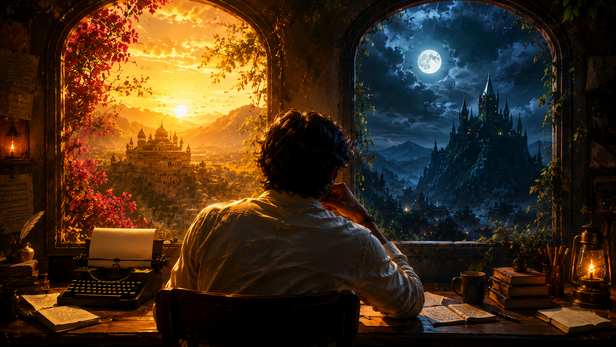
No writer approaches a character with a completely neutral mind. Personal experiences, social realities, and cultural expectations quietly influence every sentence. When male writers wrote women in many traditional literary works, they often focused on qualities visible from the outside. Female writers, however, frequently explored emotions hidden beneath the surface. The difference is not simply gender; it is perspective. One writer may observe a woman, while another may speak from within her experiences. That subtle shift changes the entire emotional depth of a story and creates completely different literary worlds.
![A Beautiful Portrait Hiding Silent Tears]()
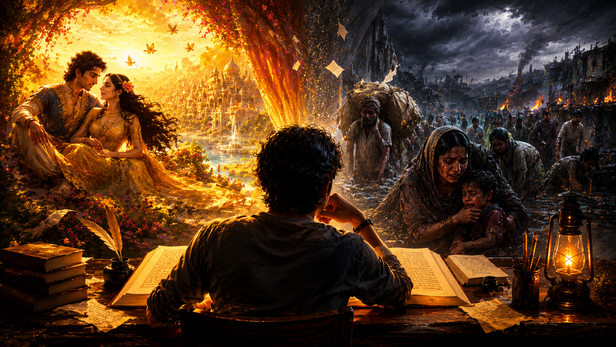
Many classic works describe women through beauty, elegance, and romantic appeal. These portrayals created memorable characters, but they often left little room for inner conflict. Readers admired the woman but rarely heard her deepest fears. Female writers frequently challenged this pattern. Instead of asking how a woman looked, they asked how she felt. They explored loneliness, sacrifice, and emotional burdens hidden behind social expectations. This shift transformed women from literary symbols into living individuals. The focus moved from appearance to experience, revealing stories that had remained unheard for generations.
When Meera wrote about love, she was also writing about pain. Her devotion carried separation, struggle, and resistance against social boundaries. Readers often remember her spiritual love, but beneath it lies a deeply personal cry for freedom. Unlike many romantic portrayals created from an external viewpoint, Meera's words emerge directly from lived experience. Her poetry feels intimate because it is not merely describing emotion; it is experiencing emotion. That is why her voice continues to resonate centuries later. It speaks not only of devotion but also of endurance and inner strength.
A writer can admire a flower from a distance or describe what it feels like to grow among thorns. This comparison reflects one of literature's most important distinctions. Many male writers brilliantly observed women's lives, while female writers often narrated the realities they personally understood. The result is a difference between observation and participation. Both approaches create meaningful literature, but they generate different emotional textures. One may emphasize admiration, while the other highlights survival. Readers who recognize this distinction discover deeper layers within every literary work they encounter.
As more women entered the literary world, new themes emerged. Questions about identity, freedom, marriage, expectations, and personal choice became central to storytelling. Female writers no longer waited to be described by others. They became narrators of their own realities. This shift changed literature forever. Characters gained complexity, contradictions, and authentic emotional depth. Women were no longer only mothers, lovers, or muses. They became thinkers, dreamers, rebels, and individuals with independent voices. Literature expanded because more perspectives finally found space on the page.
Many readers focus on plot while overlooking perspective. Yet perspective often determines what a story chooses to reveal and what it chooses to hide. Understanding who is telling the story helps explain why certain emotions receive attention while others remain silent. Reading literature through this lens allows us to appreciate both male and female voices more deeply. It encourages us to ask important questions. Whose experience is being represented? Whose voice is missing? The answers often reveal powerful truths hidden beneath even the most familiar literary works.
The real lesson is not that one gender writes better than the other. The lesson is that literature becomes stronger when many voices contribute to it. Male writers have created unforgettable female characters, and female writers have revealed realities that history often ignored. Together, these perspectives create a fuller picture of human experience. The beauty of literature lies in its ability to hold many truths at once. Every new voice adds another layer of understanding, helping readers see the world through eyes different from their own.
Unlock insightful tips and inspiration on personal growth, productivity, and well-being. Stay motivated and updated with the latest at My Life XP.
1. Do male and female writers always portray women differently?
Not always. Writing styles vary from person to person. However, a writer's experiences, social background, and perspective often influence how female characters are portrayed. This can sometimes create noticeable differences between male and female authors.
2. Why are female writers often associated with themes of pain and struggle?
Historically, women faced social restrictions and unequal opportunities. Many female writers drew from these lived experiences, exploring themes such as identity, freedom, sacrifice, and emotional resilience in their works.
3. Does focusing on beauty make a female character less meaningful?
Not necessarily. Beauty can be an important aspect of a character. The difference lies in whether the character is defined only by appearance or also given emotional depth, agency, and a unique voice.
4. Why is Meera Bai often cited in discussions about women's writing?
Meera Bai is frequently discussed because her poetry combines devotion, longing, personal suffering, and spiritual resistance. Her work is often viewed as a powerful expression of a woman's inner world.
5. Did male writers create strong female characters in literature?
Yes. Authors such as Munshi Premchand and Jaishankar Prasad created memorable female characters with complexity, intelligence, and emotional depth. Literature contains powerful examples from both male and female authors.
The Lens Behind Every Story
A Writer Looking Through Two Different Windows
No writer approaches a character with a completely neutral mind. Personal experiences, social realities, and cultural expectations quietly influence every sentence. When male writers wrote women in many traditional literary works, they often focused on qualities visible from the outside. Female writers, however, frequently explored emotions hidden beneath the surface. The difference is not simply gender; it is perspective. One writer may observe a woman, while another may speak from within her experiences. That subtle shift changes the entire emotional depth of a story and creates completely different literary worlds.
Beauty Often Speaks Louder Than Pain
A Beautiful Portrait Hiding Silent Tears
Many classic works describe women through beauty, elegance, and romantic appeal. These portrayals created memorable characters, but they often left little room for inner conflict. Readers admired the woman but rarely heard her deepest fears. Female writers frequently challenged this pattern. Instead of asking how a woman looked, they asked how she felt. They explored loneliness, sacrifice, and emotional burdens hidden behind social expectations. This shift transformed women from literary symbols into living individuals. The focus moved from appearance to experience, revealing stories that had remained unheard for generations.
Why Meera's Voice Still Feels Different
The Difference Between Seeing And Living
When Women Became Their Own Narrators
What Modern Readers Often Miss
Literature Becomes Richer With Every Voice
Unlock insightful tips and inspiration on personal growth, productivity, and well-being. Stay motivated and updated with the latest at My Life XP.
Frequently Asked Questions (FAQs)
Not always. Writing styles vary from person to person. However, a writer's experiences, social background, and perspective often influence how female characters are portrayed. This can sometimes create noticeable differences between male and female authors.
2. Why are female writers often associated with themes of pain and struggle?
Historically, women faced social restrictions and unequal opportunities. Many female writers drew from these lived experiences, exploring themes such as identity, freedom, sacrifice, and emotional resilience in their works.
3. Does focusing on beauty make a female character less meaningful?
Not necessarily. Beauty can be an important aspect of a character. The difference lies in whether the character is defined only by appearance or also given emotional depth, agency, and a unique voice.
4. Why is Meera Bai often cited in discussions about women's writing?
Meera Bai is frequently discussed because her poetry combines devotion, longing, personal suffering, and spiritual resistance. Her work is often viewed as a powerful expression of a woman's inner world.
5. Did male writers create strong female characters in literature?
Yes. Authors such as Munshi Premchand and Jaishankar Prasad created memorable female characters with complexity, intelligence, and emotional depth. Literature contains powerful examples from both male and female authors.