What Happens If Someone Dies During Panchak Here's What Tradition Says
Kashish Pandey | Jul 07, 2026, 19:00 IST
A death during Panchak is often viewed differently in Hindu tradition. Many families observe special rituals and prayers, believing they help bring peace to the departed soul and protect loved ones. While these customs are rooted in faith rather than science, they continue to hold deep cultural and emotional significance across many parts of India.

Losing someone you love is heartbreaking. In many Hindu families, however, grief is sometimes accompanied by another question—what if the death happens during Panchak? For generations, this five-day astrological period has been surrounded by beliefs that continue to spark curiosity. Some families carefully follow age-old rituals, while others see them as traditions that offer comfort in difficult times. But what exactly is Panchak, and why do so many people consider a death during this period significant?
![Moon]()
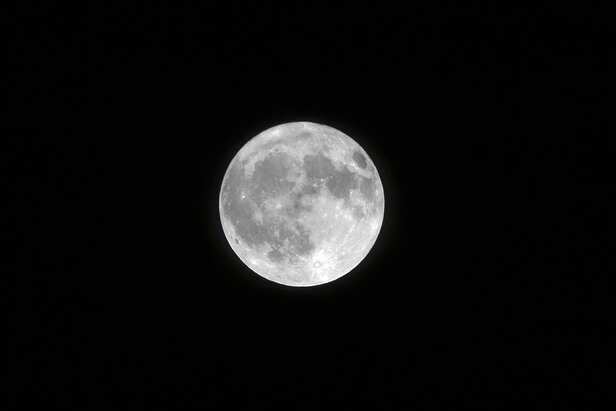
In Hindu astrology, Panchak refers to a five-day period when the Moon passes through five specific constellations. Although it occurs regularly, many traditional beliefs advise avoiding certain activities during these days, such as beginning construction, purchasing large household items, or performing important ceremonies.
The significance of Panchak varies widely across India. In some communities, it is observed with great care, while in others it receives little attention. Like many ancient traditions, its meaning has evolved over time, shaped by regional customs and family beliefs.
Why Is a
Among the many beliefs associated with Panchak, one of the most widely discussed is its connection to death. According to traditional Hindu beliefs followed in some communities, if a person dies during Panchak, additional religious rituals may be recommended before the final rites are performed.
Some people believe these ceremonies help prevent further sorrow or misfortune within the family. However, these ideas are based on religious and cultural traditions not on scientific evidence. For those who observe them, the rituals are often seen as an act of faith, remembrance, and respect rather than fear.
![crying for the death]()
Every region has its own customs, which is why Panchak rituals can look very different from one family to another. In many households, priests guide the family through additional prayers or ceremonies before the cremation or funeral rites.
Some traditions include symbolic offerings or special rituals believed to ensure peace for the departed soul. Others focus on prayers for the well-being of the surviving family members. These practices are deeply personal and are usually performed according to the family's traditions and the guidance of their spiritual elders.
Even today, when many people lead modern lives, Panchak customs continue to be followed in countless homes. For some, it's simply about respecting their parents' and grandparents' beliefs. For others, these rituals provide emotional strength during one of life's most painful moments.
When words fail, traditions often become a source of comfort. They give grieving families something meaningful to hold on to, helping them feel they have fulfilled their responsibilities toward their loved one according to their faith.
Unlock insightful tips and inspiration on personal growth, productivity, and well-being. Stay motivated and updated with the latest at My Life XP.
What Exactly Is Panchak?
Moon
In Hindu astrology, Panchak refers to a five-day period when the Moon passes through five specific constellations. Although it occurs regularly, many traditional beliefs advise avoiding certain activities during these days, such as beginning construction, purchasing large household items, or performing important ceremonies.
The significance of Panchak varies widely across India. In some communities, it is observed with great care, while in others it receives little attention. Like many ancient traditions, its meaning has evolved over time, shaped by regional customs and family beliefs.
Why Is a Death During Panchak Considered Important?
Among the many beliefs associated with Panchak, one of the most widely discussed is its connection to death. According to traditional Hindu beliefs followed in some communities, if a person dies during Panchak, additional religious rituals may be recommended before the final rites are performed.
Some people believe these ceremonies help prevent further sorrow or misfortune within the family. However, these ideas are based on religious and cultural traditions not on scientific evidence. For those who observe them, the rituals are often seen as an act of faith, remembrance, and respect rather than fear.
The Rituals Families Traditionally Follow
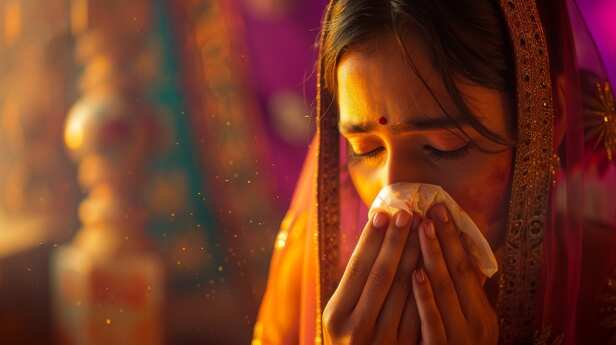
crying for the death
Every region has its own customs, which is why Panchak rituals can look very different from one family to another. In many households, priests guide the family through additional prayers or ceremonies before the cremation or funeral rites.
Some traditions include symbolic offerings or special rituals believed to ensure peace for the departed soul. Others focus on prayers for the well-being of the surviving family members. These practices are deeply personal and are usually performed according to the family's traditions and the guidance of their spiritual elders.
Why These Traditions Still Matter Today
Even today, when many people lead modern lives, Panchak customs continue to be followed in countless homes. For some, it's simply about respecting their parents' and grandparents' beliefs. For others, these rituals provide emotional strength during one of life's most painful moments.
When words fail, traditions often become a source of comfort. They give grieving families something meaningful to hold on to, helping them feel they have fulfilled their responsibilities toward their loved one according to their faith.
Death during Panchak continues to be surrounded by reverence, tradition, and spiritual beliefs. While many families observe special rituals during this period, these customs reflect cultural heritage rather than scientific certainty. Understanding these traditions helps us appreciate the rich diversity of Hindu practices and reminds us that, in times of loss, faith often becomes a source of strength, comfort, and hope.
Unlock insightful tips and inspiration on personal growth, productivity, and well-being. Stay motivated and updated with the latest at My Life XP.