Why Is the Stock Market Down Today?
Noopur Kumari | Jul 09, 2026, 12:47 IST
Market are going brutal time .sensex and nifty have been fell Donald trump said iran ceasefire was over oil price rising and fear about the strait of hormuz came roaring back .even AI stock led stock market sell-off continued to wreak on wall street . Here's this is story behind today stock market down

the Stock Market Down Today
Image credit : IANS
If you've Reviewed your portfolio and you felt disappointed today, you are not wrong. The BSE Sensex dropped 1,677 points, a 2.15% fall to close at 76,503.60, and the Nifty 50 lost close to 517 points to end at 23,882. At one point during the day, the Sensex was down almost 1,900 points. Investors lost around ₹9 lakh crore in a few hours.
But it's not an Indian story. The situation is the same all over the world: Asian markets from Tokyo to Seoul opened weakly, the Dow Jones and S&P 500 were already down before the markets opened in India and the general mood is get out of risk and get into safety. What is it that is responsible for this? Several things happened simultaneously, but it looks like there was one definite culprit.
![Turkey NATO Summit Trump]()
Speaking at a NATO summit, Trump said the ceasefire understanding between the US and Iran was "over," and that he didn't see much point continuing talks with Tehran. That's it, it was just one comment which pretty much started the selloff.
This is why it was important: investors had been betting that the ceasefire would go on for a while, at least. It was agreed that there should be a 60-day period of effort by both sides to move toward something more permanent. Rather, negotiations were apparently deadlocked, the United States initiated new military attacks against Iranian military targets, and Trump's remarks said, "This war isn't coming to a close anytime soon. Such uncertainty does not sit well with markets, and they did not like it.
![Increase in Oil Prices]()
When tensions between the US and Iran boil over, oil is typically the first commodity to shift and that's what happened today. Brent crude rose more than 6% to more than $78 per barrel. This is important because Iran is located just adjacent to one of the world's key oil shipping routes, the Strait of Hormuz.
Ships were reportedly being delayed around the strait and Iran has been pretty clear on its desire to have more say over who goes and what. If crude prices go up and even a threatening glimpse of the possibility of losing access to that route is enough to send prices skyrocketing then they become a problem for almost all businesses that trust on oil, from airlines to manufacturers. That's a big part of why stocks on so many different sectors were dropping today, not just one or two.
This was not a geopolitics issue alone. The Iran news hasn't even hit Wall Street and they're already having their own headache, a sell-off in AI stocks, particularly chipmakers, as investors begin to wonder whether all the money they've funneled into AI infrastructure is actually going to pay off as they thought it would. But that was already taking the Dow Jones and the S&P 500 down.
It turns out that these are two problems that are both growing and happening at the same time: one is a true war worry and a second is a tech valuation doubt. They would have been a rough day without either. As a duo, it was a really genuinely ugly session.
There are a couple of other small details that communicate the same message. The rupee was not only at its weakest point in nearly a month but also a typical sign of foreign capital moving out of risky investments.. India's VIX, essentially a measure of the level of trading volatility, surged more than 25%. That's no small feat. It tells you people that it is not an easy-going thing. The Sensex ended down by as many as 30 stocks all lost ground on the day. Consumer goods, auto makers, and airlines were struck particularly hard, not surprising because they're the types of businesses that are able to be hit the hardest when fuel and input raw material costs rise.
Well, no one really knows and anyone claiming to know is taking a guess. One thing is sure: markets will remain volatile as long as the situation with the United States and Iran is this volatile. Over the coming days, any new information, positive or negative, that is released could turn the Sensex, Nifty, Dow or S&P 500 significantly in either direction.
If there is any useful lesson to be learned, it's the one that most market strategists are repeating right now: don't panic, don't try to time the low, and if you are actively trading, limit your risk until there is greater clarity on the direction in which this is going.
Unlock insightful tips and inspiration on personal growth, productivity, and well-being. Stay motivated and updated with the latest at My Life XP.
But it's not an Indian story. The situation is the same all over the world: Asian markets from Tokyo to Seoul opened weakly, the Dow Jones and S&P 500 were already down before the markets opened in India and the general mood is get out of risk and get into safety. What is it that is responsible for this? Several things happened simultaneously, but it looks like there was one definite culprit.
The Root of Cause

Turkey NATO Summit Trump
Image credit : AP
Speaking at a NATO summit, Trump said the ceasefire understanding between the US and Iran was "over," and that he didn't see much point continuing talks with Tehran. That's it, it was just one comment which pretty much started the selloff.
This is why it was important: investors had been betting that the ceasefire would go on for a while, at least. It was agreed that there should be a 60-day period of effort by both sides to move toward something more permanent. Rather, negotiations were apparently deadlocked, the United States initiated new military attacks against Iranian military targets, and Trump's remarks said, "This war isn't coming to a close anytime soon. Such uncertainty does not sit well with markets, and they did not like it.
The Increase in Oil Prices Is Serious
Increase in Oil Prices
Image credit : ANI
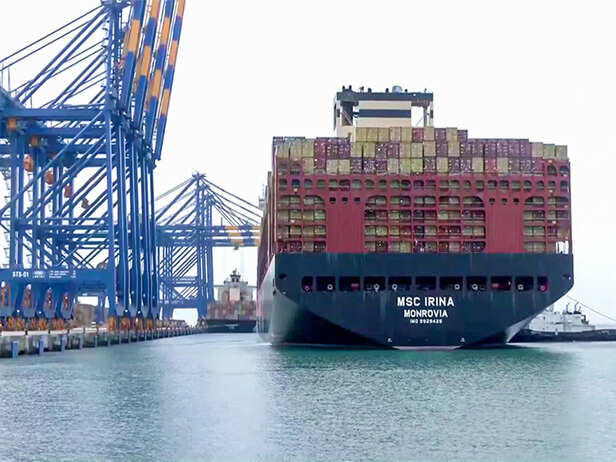
When tensions between the US and Iran boil over, oil is typically the first commodity to shift and that's what happened today. Brent crude rose more than 6% to more than $78 per barrel. This is important because Iran is located just adjacent to one of the world's key oil shipping routes, the Strait of Hormuz.
Ships were reportedly being delayed around the strait and Iran has been pretty clear on its desire to have more say over who goes and what. If crude prices go up and even a threatening glimpse of the possibility of losing access to that route is enough to send prices skyrocketing then they become a problem for almost all businesses that trust on oil, from airlines to manufacturers. That's a big part of why stocks on so many different sectors were dropping today, not just one or two.
AI Stocks Are Under Pressure
It turns out that these are two problems that are both growing and happening at the same time: one is a true war worry and a second is a tech valuation doubt. They would have been a rough day without either. As a duo, it was a really genuinely ugly session.
A Few More Signs That Investors Are Nervous
What Happens Place Following This?
If there is any useful lesson to be learned, it's the one that most market strategists are repeating right now: don't panic, don't try to time the low, and if you are actively trading, limit your risk until there is greater clarity on the direction in which this is going.
Unlock insightful tips and inspiration on personal growth, productivity, and well-being. Stay motivated and updated with the latest at My Life XP.
Frequently Asked Questions (FAQs)
- What is the main reason for the stock market crash?
According to Donald in NATO summit, he said the ceasefire understanding between the US and Iran was over, - Is market crash today
Not confirmed market crash today investors are preparing for due to growing risk, geopolitical tensions, and economic insecurity. - Should I sell and invest Stocks or Stay Invested?
Your decision depends on your goal. short term but long-term investors usually profit from holding - Is right time to buy stock
Constant investment when markets are declining often works better than timing the best point for purchase when one has a long-term view on the markets.