Why Jagannath's Rath Has No Iron Nails? The Hidden Mystery
Noopur Kumari | Jul 07, 2026, 18:00 IST
How can gigantic wooden chariots carry thousands of devotees without using a single iron nail? Why are they rebuilt every year instead of being preserved? Why do only specific families and tribal communities participate in their construction? Behind every wheel, every rope, and every carving lies a sacred tradition that has survived for centuries. These are not random customs but carefully preserved rituals that continue to surprise even modern minds. Here are the nine divine secrets that make Jagannath Rath Yatra one of the world's most extraordinary spiritual celebrations.

Every year, millions of devotees gather to witness the magnificent Jagannath Rath Yatra. They watch the massive wooden chariots roll through the streets with immense devotion. But very few know that these chariots are far more than beautifully crafted structures. Every piece of wood, every measurement, every ritual, and even their final fate follows sacred traditions that have remained unchanged for centuries. These extraordinary practices continue to amaze engineers, historians, and devotees alike. The deeper you explore, the more you realize that the Rath Yatra is not just a festival it is a living tradition filled with mysteries waiting to be discovered.
![Jagannath Rath Built Without Iron Nails]()
One of the greatest mysteries of the Rath Yatra is that not a single iron nail is used in constructing the three giant chariots. Skilled artisans rely on wooden joints, pegs, ropes, and traditional craftsmanship passed down through generations. Despite carrying enormous weight and travelling through crowded streets, these chariots remain remarkably stable. This ancient engineering continues to inspire modern experts who admire its strength and precision without relying on modern construction materials.
![The sacred chariots are assembled entirely with traditional wooden joinery.]()
The construction of the chariots follows sacred proportions rather than modern engineering drawings. Master craftsmen use traditional hand and finger measurements inherited from their ancestors. Every dimension is carefully followed according to ancient scriptures and temple customs. This remarkable practice has remained unchanged for centuries, preserving both the spiritual and architectural authenticity of the Rath Yatra.
The wood used for the three chariots is never chosen randomly. Specific tree species are selected through sacred rituals and sourced from designated forests. Tribal communities play an important role in identifying, cutting, and transporting the timber. Every step is performed with prayers and strict temple traditions, making the wood itself an essential part of the divine process before construction even begins.
Lord Jagannath, Lord Balabhadra, and Goddess Subhadra each travel in separate chariots that differ in size, colour, wheels, horses, and decorations. Jagannath's chariot features white horses, Balabhadra's has black horses, and Subhadra's is drawn by red horses. Every element represents deep spiritual symbolism described in ancient traditions, making each chariot unique in both appearance and meaning.
Considering the enormous size of the chariots, many wonder how they are stopped without modern brakes. The answer lies in a traditional system using thick wooden blocks placed against the giant wheels. Experienced temple workers carefully control the movement using time-tested techniques. This centuries-old method continues to function effectively, proving that traditional knowledge can remain practical even today.
Perhaps the most surprising tradition is that the magnificent chariots are dismantled after the Rath Yatra ends. Instead of preserving them, the sacred wood is respectfully reused for temple rituals and other religious purposes. This practice symbolizes the eternal cycle of creation, service, and renewal. Every year, new chariots are built with the same devotion, reminding devotees that faith lives through tradition rather than permanence.
The Jagannath Rath Yatra is much more than a grand procession. It is a living example of devotion, craftsmanship, community participation, and sacred tradition. Every ritual, every artisan, and every devotee contributes to preserving a heritage that has survived for centuries. These timeless practices continue to inspire millions, proving that some of the world's greatest wonders are built not just with skill, but with unwavering faith.
Unlock insightful tips and inspiration on personal growth, productivity, and well-being. Stay motivated and updated with the latest at My Life XP.
No Iron Nails Hold the Chariots Together
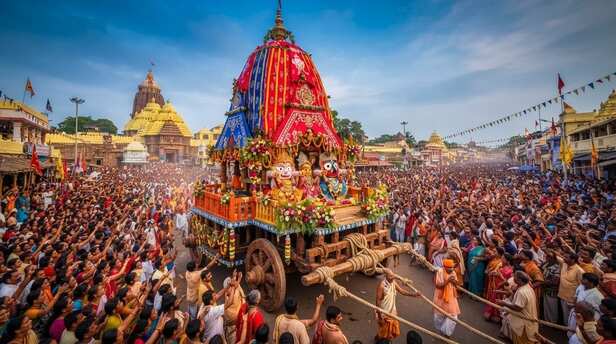
Jagannath Rath Built Without Iron Nails
One of the greatest mysteries of the Rath Yatra is that not a single iron nail is used in constructing the three giant chariots. Skilled artisans rely on wooden joints, pegs, ropes, and traditional craftsmanship passed down through generations. Despite carrying enormous weight and travelling through crowded streets, these chariots remain remarkably stable. This ancient engineering continues to inspire modern experts who admire its strength and precision without relying on modern construction materials.
Every Measurement Follows Sacred Tradition

The sacred chariots are assembled entirely with traditional wooden joinery.
The construction of the chariots follows sacred proportions rather than modern engineering drawings. Master craftsmen use traditional hand and finger measurements inherited from their ancestors. Every dimension is carefully followed according to ancient scriptures and temple customs. This remarkable practice has remained unchanged for centuries, preserving both the spiritual and architectural authenticity of the Rath Yatra.
The Sacred Wood Comes From Special Forests
Each Chariot Has Its Own Divine Identity
Ancient Braking Methods Still Work Perfectly
The Chariots Are Never Meant to Last Forever
A Festival That Preserves Living Heritage
Unlock insightful tips and inspiration on personal growth, productivity, and well-being. Stay motivated and updated with the latest at My Life XP.