Why Modi Avoids Real Press Conferences Shocked Critics
Noopur Kumari | May 25, 2026, 14:00 IST
Political image-making is not new. Every powerful leader in history has tried to control perception. But critics argue that something deeper is happening in India today where difficult questions are avoided, carefully edited visuals dominate headlines, and criticism increasingly feels unwelcome. The controversy around muted diplomatic videos and edited teleprompter images became symbolic of a larger debate. Is modern politics now more about performance than openness? And when media becomes more protective than questioning, does democracy quietly begin losing one of its strongest safeguards? Behind the viral clips and online arguments lies a bigger issue that continues dividing public opinion across the country.

In modern politics, image can become more powerful than reality itself. A carefully framed camera angle, a perfectly timed speech, or even muted audio from an official meeting can quietly shape how millions see a leader. But what happens when people begin noticing what is missing from the picture? Recently, debates around Prime Minister Narendra Modi, muted videos, hidden teleprompters, and controlled public appearances have sparked larger conversations about media, power, and political image-building in India. For supporters, it is smart communication. For critics, it raises uncomfortable questions about transparency, accountability, and the growing distance between leaders and unscripted public scrutiny
Narendra Modi is widely recognised as one of India’s strongest political communicators. His speeches, visuals, slogans, and public appearances are often crafted with extraordinary attention to presentation. Critics, however, argue that this level of image management sometimes crosses into excessive control. The debate intensified after edited images appeared to remove teleprompters from official photographs and muted diplomatic videos circulated online. For supporters, teleprompters are normal tools used by global leaders. But critics questioned why such details needed hiding at all. The controversy became less about technology and more about whether modern political branding is slowly replacing openness and natural public engagement.
One of the biggest criticisms against Narendra Modi is his limited interaction with unscripted press conferences. Critics say real journalism involves uncomfortable questions, spontaneous follow-ups, and accountability in front of the public. They argue carefully managed interviews create a safer environment where difficult subjects rarely receive direct answers. Supporters, however, believe Modi communicates effectively through speeches, public rallies, radio programs, and social media. This divide reflects a larger global shift where political leaders increasingly bypass traditional media structures and speak directly to audiences. But many believe democracies become healthier when leaders face scrutiny rather than only controlled public interactions.
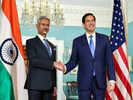
Several official diplomatic videos sparked online discussion after viewers noticed missing or muted audio during interactions with world leaders. Critics immediately questioned whether the silence was intentional to avoid awkward moments or communication errors becoming public. Supporters dismissed these claims as political exaggeration and social media trolling. Yet the controversy spread rapidly because silence often creates more curiosity than explanation. In the digital age, even small edits can trigger large public debates. People no longer only watch political events they analyse gestures, pauses, expressions, and missing details. The muted videos became symbolic of growing suspicion around how carefully political communication is now managed and controlled.
A major concern raised by critics is the changing relationship between media and political authority. They argue sections of the media now act less like watchdogs and more like protectors of power. According to critics, difficult economic questions, policy failures, and controversial decisions often receive softer treatment than they once did. This debate extends beyond one leader or one party. Across the world, political communication is becoming increasingly centralised, emotional, and personality-driven. The fear among many journalists and activists is that when media prioritises access over accountability, public trust begins weakening. Democracies depend not only on elections, but also on fearless questioning and independent reporting.
The deeper issue is not simply about teleprompters or edited videos. It is about how citizens define leadership, transparency, and democracy in the digital age. Every government wants positive coverage and strong messaging. But democracies also rely on criticism, disagreement, and public questioning. When political branding becomes too powerful, people begin wondering whether image matters more than truth. Critics fear growing intolerance toward dissent and independent voices. Supporters argue strong leadership naturally attracts attacks and exaggeration. Somewhere between those two positions lies an important democratic challenge ensuring political communication remains persuasive without silencing scrutiny, uncomfortable questions, or the voices that disagree with power.
Unlock insightful tips and inspiration on personal growth, productivity, and well-being. Stay motivated and updated with the latest at My Life XP.
1. Why are people discussing muted videos linked to Modi?
Critics raised questions after some official diplomatic videos involving Narendra Modi appeared with muted or missing audio, leading to online speculation and debate.
2. What is the teleprompter controversy about?
The controversy began when edited official images allegedly removed visible teleprompters during speeches or events, which critics said created unnecessary secrecy around a common communication tool.
3. Do world leaders normally use teleprompters?
Yes, many global leaders use teleprompters during speeches, diplomatic statements, and official events to maintain clarity and accuracy while addressing audiences.
4. Why do critics focus on press conferences?
Critics believe open press conferences allow journalists to ask unscripted and difficult questions, which they consider essential for transparency and democratic accountability.
5. What do supporters of Modi say about these criticisms?
Supporters argue that Narendra Modi communicates directly with the public through rallies, speeches, interviews, radio programs, and social media platforms.
The Politics Of Carefully Controlled Images
I would have asked the question no matter if it was a press conference or a press briefing, but it is ofcourse interesting for the critics that get hung up on this to note that my prime minister called it a press conference.
— Helle Lyng (@HelleLyngSvends) May 22, 2026
Anyways, if you call the press, there should always be… pic.twitter.com/oKWNRI0rIT
Narendra Modi is widely recognised as one of India’s strongest political communicators. His speeches, visuals, slogans, and public appearances are often crafted with extraordinary attention to presentation. Critics, however, argue that this level of image management sometimes crosses into excessive control. The debate intensified after edited images appeared to remove teleprompters from official photographs and muted diplomatic videos circulated online. For supporters, teleprompters are normal tools used by global leaders. But critics questioned why such details needed hiding at all. The controversy became less about technology and more about whether modern political branding is slowly replacing openness and natural public engagement.
Why Press Conferences Became A Bigger Question
Very great conversation with @samarthgrover87. Thank you! https://t.co/Tfmaw8iHRd
— Helle Lyng (@HelleLyngSvends) May 20, 2026
One of the biggest criticisms against Narendra Modi is his limited interaction with unscripted press conferences. Critics say real journalism involves uncomfortable questions, spontaneous follow-ups, and accountability in front of the public. They argue carefully managed interviews create a safer environment where difficult subjects rarely receive direct answers. Supporters, however, believe Modi communicates effectively through speeches, public rallies, radio programs, and social media. This divide reflects a larger global shift where political leaders increasingly bypass traditional media structures and speak directly to audiences. But many believe democracies become healthier when leaders face scrutiny rather than only controlled public interactions.
The Viral Debate Over Muted Videos
Why Critics Connect Media And Power
The Bigger Question Beyond One Leader
Unlock insightful tips and inspiration on personal growth, productivity, and well-being. Stay motivated and updated with the latest at My Life XP.
Frequently Asked Questions (FAQs)
Critics raised questions after some official diplomatic videos involving Narendra Modi appeared with muted or missing audio, leading to online speculation and debate.
2. What is the teleprompter controversy about?
The controversy began when edited official images allegedly removed visible teleprompters during speeches or events, which critics said created unnecessary secrecy around a common communication tool.
3. Do world leaders normally use teleprompters?
Yes, many global leaders use teleprompters during speeches, diplomatic statements, and official events to maintain clarity and accuracy while addressing audiences.
4. Why do critics focus on press conferences?
Critics believe open press conferences allow journalists to ask unscripted and difficult questions, which they consider essential for transparency and democratic accountability.
5. What do supporters of Modi say about these criticisms?
Supporters argue that Narendra Modi communicates directly with the public through rallies, speeches, interviews, radio programs, and social media platforms.