Notifications Trigger the Brain’s Reward System
At the core of notification addiction is dopamine, a neurotransmitter associated with reward, motivation, and anticipation. Notifications promise something socially or emotionally meaningful, a message, a like, a reply, or new information.
The brain does not just respond to rewards, it responds even more strongly to the anticipation of rewards. Every notification becomes a potential reward, triggering a small dopamine release that makes checking the phone feel satisfying, even before we know what the notification contains.
Variable Rewards Make Notifications Addictive
Notifications operate on what psychologists call a variable reward schedule. Sometimes a notification is important, sometimes it’s boring, sometimes it’s exciting. The unpredictability makes it addictive just like slot machines.
![Small Dopamine]()
Small Dopamine
Image credit : Unsplash
Because we don’t know what the next notification will be, we keep checking. The uncertainty itself becomes motivating, training the brain to stay alert for the next digital stimulus.
Social Validation Is a Powerful Psychological Hook
Many notifications are social in nature, messages, comments, likes, mentions, and reactions. Humans are deeply social beings who evolved to care about social approval and belonging. Each notification signals potential acceptance, recognition, or connection. This taps into our fear of missing out and our desire to stay socially relevant, making it emotionally difficult to ignore notifications.
Fear of Missing Out Keeps Us Checking
The fear that something important might be happening without us creates anxiety that drives compulsive checking. This fear of missing out is amplified by real time feeds, group chats, and online communities that never sleep.
![Constant Reminders]()
Constant Reminders
Image credit : Unsplash
Notifications serve as constant reminders that the digital world is always active and that we might be falling behind socially, professionally, or culturally if we disconnect.
Habit Formation Turns Checking into Automatic Behaviour
Over time, repeated checking becomes a habit loop. A trigger (notification), a behaviour (checking), and a reward (information or social feedback) form a cycle that the brain learns and automates. Eventually, the brain doesn’t even need the notification anymore. We start checking our phones out of boredom, anxiety, or reflex, even when no alert has arrived.
Design Choices That Maximize Engagement
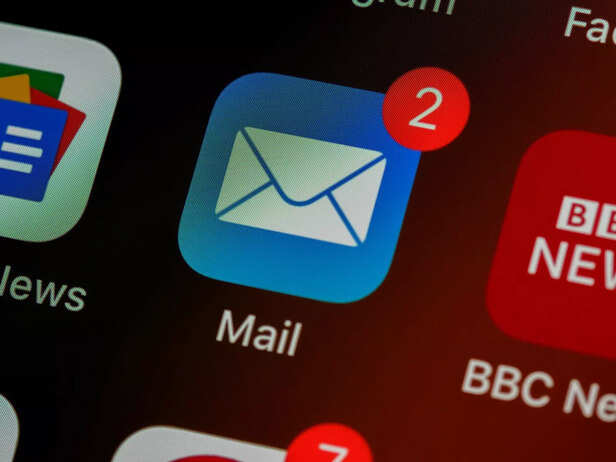
App designers intentionally use colours, sounds, vibrations, badges, and timing to maximize engagement. Red notification badges, for example, are chosen because they signal urgency and grab attention quickly. Notifications are engineered to interrupt us because interruption increases engagement. The more often we check, the more time we spend on platforms, and the more data and revenue they generate.
Psychological Costs of Constant Notifications
While notifications offer convenience and connection, they also fragment attention, reduce focus, increase stress, and weaken our ability to engage deeply with tasks or relationships.
![Psychological Costs of Notification]()
Psychological Costs of Notification
Image credit : Unsplash
Constant interruptions prevent the brain from entering deep work states and can create a persistent sense of urgency and distraction, contributing to anxiety and mental fatigue.
Taking Back Control of Our Attention
Notifications are not inherently bad. They inform, connect, and protect us. But they are powerful psychological tools that can easily overpower conscious control. Understanding how notifications affect the brain is the first step toward using technology intentionally rather than compulsively. When we become aware of the psychological hooks behind notifications, we gain the ability to redesign our relationship with our phones and reclaim control over our attention.
Unlock insightful tips and inspiration on personal growth, productivity, and well being. Stay motivated and updated with the latest at
My Life XP.
Frequently Asked Questions (FAQs)
- Why do notifications feel so addictive?
Notifications trigger the brain’s reward system by promising potentially meaningful or socially relevant information. The uncertainty of what the notification contains creates anticipation, which releases dopamine and reinforces the habit of checking repeatedly. - What is the role of dopamine in phone checking behaviour?
Dopamine is involved in motivation and anticipation rather than pleasure itself. Each notification acts as a cue that a reward might be available, causing a dopamine response that pushes us to check the phone even before knowing what the message is. - Can we reduce the psychological impact of notifications?
Yes. Turning off non essential notifications, scheduling specific times to check messages, using focus modes, and creating phone free periods can reduce compulsive checking and help restore attention and mental clarity.