What Makes Mahashivratri the Night of Awakening? The Ancient Secret of Shiva the First Yogi
Noopur Kumari | Fri, 13 Feb 2026
This article explains why Shiva is called the First Yogi and how Mahashivratri represents awakening of consciousness. In five simple yet powerful sections, you will understand the mythology, spiritual science, symbolism, rituals, and inner meaning of this sacred night. Each section includes an image title and caption to enhance emotional connection. Written in clear language and rooted in authentic spiritual knowledge, this guide is informative, shareable, and deeply meaningful.

Shiva as the First Yogi
Image credit : Freepik
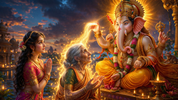
Mahashivratri is not just a festival of fasting and night-long prayers. It is known as the Night of Consciousness, a sacred time when spiritual energy is believed to rise and awaken the human mind. But why is this night considered so powerful? The answer lies in Lord Shiva as Adi Yogi, the First Yogi, who revealed the science of inner awakening to humanity. Ancient yogic traditions say this is the night when cosmic alignment supports meditation, clarity, and transformation. Most people celebrate the rituals, yet few understand the deeper secret. Mahashivratri is an invitation to move beyond darkness and discover higher awareness within.
![The First Yogi in Deep Meditation]()
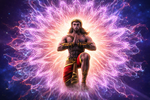
According to ancient yogic texts, Shiva became the Adi Yogi when he transmitted the knowledge of yoga to the Saptarishis. Sitting in deep meditation on Mount Kailash, he remained silent for years until seekers were ready. This moment marks the birth of yogic science. Shiva symbolizes complete mastery over body, mind, and energy. His stillness represents ultimate awareness. Mahashivratri honors this moment of transmission. Devotees meditate to align with that same consciousness. This night reminds humanity that enlightenment is not outside but within.
![The Cosmic Alignment of Mahashivratri]()
Mahashivratri is observed on a sacred night when planetary positions are believed to support the natural rise of human energy. According to established yogic science, keeping the spine straight and remaining awake helps channel this energy upward through subtle pathways in the body. That is why devotees fast, chant mantras, and meditate throughout the night. Consciousness means awareness beyond ordinary thoughts and emotions. Spiritual teachers explain that this night offers a rare opportunity for inner clarity and mental balance. With disciplined practice and focused intention, seekers can experience deeper stillness, emotional stability, and a powerful sense of spiritual awakening.
![Meaning Behind Shiva’s Symbols]()
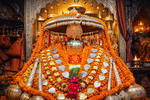
Lord Shiva’s form carries deep spiritual symbolism rooted in ancient yogic wisdom. His third eye represents higher perception and awakened awareness beyond ordinary sight. The crescent moon symbolizes mastery over time and emotional balance. The sacred Ganga flowing from his hair reflects purification of consciousness and the flow of divine knowledge. The serpent around his neck signifies control over fear, ego, and negative impulses. These are not decorative elements but profound spiritual teachings preserved in Shaivite scriptures. On Mahashivratri, reflecting on these symbols encourages discipline, mindfulness, and inner transformation, guiding devotees toward clarity, resilience, and higher consciousness through authentic spiritual practice.
The tradition of night vigil is deeply symbolic. Darkness represents ignorance. Wakefulness represents awareness. By remaining awake on Mahashivratri, devotees symbolically choose consciousness over unconscious living. Fasting purifies the body. Chanting stabilizes the mind. Meditation strengthens inner focus. Together, these practices create a sacred environment within. Spiritual teachers explain that this night magnifies intention. Even a small step toward self discipline can bring profound inner change. The vigil is not just physical wakefulness. It is spiritual alertness.
The deepest meaning of Mahashivratri is transformation. Shiva represents destruction of ignorance and rebirth of wisdom. On this night, devotees pray not only for blessings but for inner change. Letting go of anger, ego, and fear is the real offering. True worship happens when awareness replaces distraction. The festival teaches that enlightenment is a journey inward. Shiva as the First Yogi invites every individual to become conscious, disciplined, and compassionate. Mahashivratri becomes a reminder that divine energy lives within each soul.
Unlock insightful tips and inspiration on personal growth, productivity, and well-being. Stay motivated and updated with the latest at My Life XP.
1. Why is Mahashivratri called the Night of Consciousness?
Mahashivratri is believed to be the night when spiritual energies are naturally high, supporting meditation and inner awakening. Yogic tradition connects this night with heightened awareness and self realization.
2. Why is Lord Shiva known as the First Yogi?
Shiva is called Adi Yogi because he is said to have transmitted the science of yoga to the Saptarishis, beginning the spiritual path of self knowledge and transformation.
3. What does Shiva’s third eye symbolize?
The third eye represents higher perception, wisdom, and the ability to see beyond illusion and ego.
4. Why do devotees stay awake on Mahashivratri?
Staying awake symbolizes alertness and spiritual awareness. It is believed to help align the body and mind with cosmic energy.
5. What is the spiritual benefit of observing Mahashivratri?
Observing Mahashivratri with meditation, fasting, and prayer promotes self discipline, emotional balance, and deeper connection with inner consciousness.
Shiva as Adi Yogi
The First Yogi in Deep Meditation
Image credit : Freepik
According to ancient yogic texts, Shiva became the Adi Yogi when he transmitted the knowledge of yoga to the Saptarishis. Sitting in deep meditation on Mount Kailash, he remained silent for years until seekers were ready. This moment marks the birth of yogic science. Shiva symbolizes complete mastery over body, mind, and energy. His stillness represents ultimate awareness. Mahashivratri honors this moment of transmission. Devotees meditate to align with that same consciousness. This night reminds humanity that enlightenment is not outside but within.
Why It Is Called the Night of Consciousness
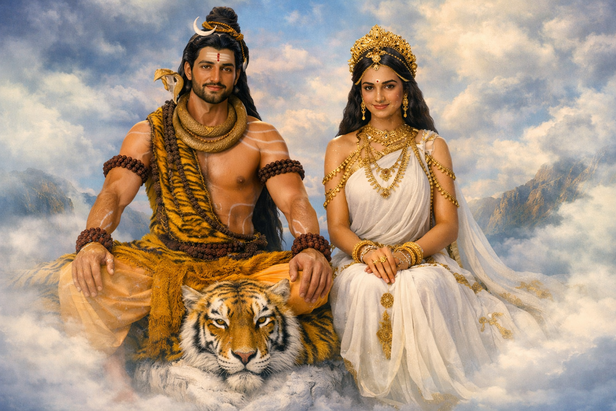
The Cosmic Alignment of Mahashivratri
Image credit : ChatGPT(AI)
Mahashivratri is observed on a sacred night when planetary positions are believed to support the natural rise of human energy. According to established yogic science, keeping the spine straight and remaining awake helps channel this energy upward through subtle pathways in the body. That is why devotees fast, chant mantras, and meditate throughout the night. Consciousness means awareness beyond ordinary thoughts and emotions. Spiritual teachers explain that this night offers a rare opportunity for inner clarity and mental balance. With disciplined practice and focused intention, seekers can experience deeper stillness, emotional stability, and a powerful sense of spiritual awakening.
The Symbolism of Shiva’s Form
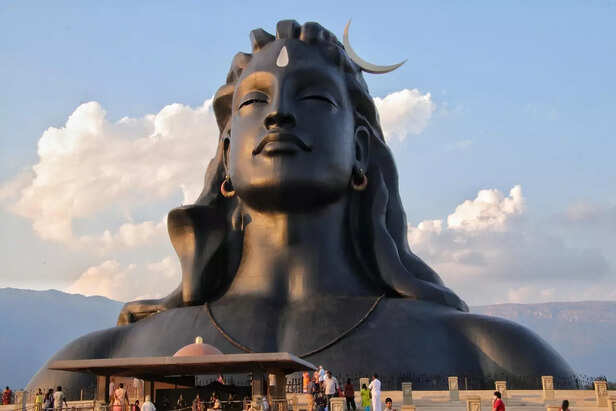
Meaning Behind Shiva’s Symbols
Image credit : Freepik
Lord Shiva’s form carries deep spiritual symbolism rooted in ancient yogic wisdom. His third eye represents higher perception and awakened awareness beyond ordinary sight. The crescent moon symbolizes mastery over time and emotional balance. The sacred Ganga flowing from his hair reflects purification of consciousness and the flow of divine knowledge. The serpent around his neck signifies control over fear, ego, and negative impulses. These are not decorative elements but profound spiritual teachings preserved in Shaivite scriptures. On Mahashivratri, reflecting on these symbols encourages discipline, mindfulness, and inner transformation, guiding devotees toward clarity, resilience, and higher consciousness through authentic spiritual practice.
The Power of Staying Awake
Mahashivratri as Inner Transformation
Unlock insightful tips and inspiration on personal growth, productivity, and well-being. Stay motivated and updated with the latest at My Life XP.
Frequently Asked Questions (FAQs)
Mahashivratri is believed to be the night when spiritual energies are naturally high, supporting meditation and inner awakening. Yogic tradition connects this night with heightened awareness and self realization.
2. Why is Lord Shiva known as the First Yogi?
Shiva is called Adi Yogi because he is said to have transmitted the science of yoga to the Saptarishis, beginning the spiritual path of self knowledge and transformation.
3. What does Shiva’s third eye symbolize?
The third eye represents higher perception, wisdom, and the ability to see beyond illusion and ego.
4. Why do devotees stay awake on Mahashivratri?
Staying awake symbolizes alertness and spiritual awareness. It is believed to help align the body and mind with cosmic energy.
5. What is the spiritual benefit of observing Mahashivratri?
Observing Mahashivratri with meditation, fasting, and prayer promotes self discipline, emotional balance, and deeper connection with inner consciousness.