There is no argument, no dramatic announcement. The art supplies sit untouched for a week, then two. The books stay on the shelf. She stops asking to go to practice. If you ask about it, she shrugs. It is easy to read this as a passing phase, and sometimes it is. But sometimes the quiet is telling you something the child does not yet have words for.
The Withdrawal Usually Has a Shape
![Abandoned Art Project]()
Abandoned Art Project
Image credit : MyLifeXP Bureau
Children do not often say "I feel like I am failing at this" or "someone laughed at me and I cannot forget it." What they do instead is stop. The activity becomes associated with a feeling they cannot name or manage, so they move away from it in the only way available to them: absence. The withdrawal is rarely sudden. In hindsight, parents often notice a gradual slowing, less time spent, less enthusiasm, more reasons to do something else, before the full stop arrives. That gradual slowing is worth paying attention to early, because it is easier to reach a child in the middle of a drift than after she has fully decided the thing is no longer hers.
What the Stopping Is Usually Not
It is rarely boredom in the simple sense. A child who is genuinely bored by something tends to say so, or to replace it immediately with something else she finds more interesting. When the replacement does not come, when she seems to have less energy for most things, not just the one activity, the withdrawal is pointing somewhere deeper. It is also rarely about the activity itself. A child who stops drawing has not stopped caring about drawing. She has stopped believing something about herself in relation to it: that she is good enough, that it is worth the risk of being seen, that the effort will feel the way it used to feel.
The Comparison Moment
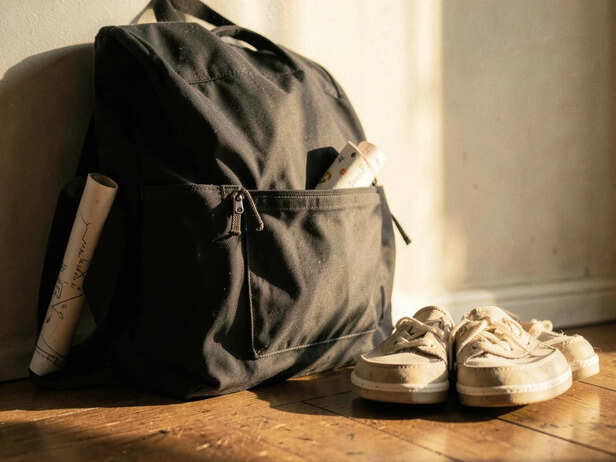
![Forgotten Art Supplies]()
Forgotten Art Supplies
Image credit : MyLifeXP Bureau
One of the most common triggers is a comparison she made, or one that was made for her. A classmate who draws better. A cousin who was praised while she was not. A teacher's comment that landed harder than intended. Children in India grow up inside a dense web of comparison, between siblings, between cousins, between neighbours' children, and they absorb these comparisons long before they can process them. A child who was told, even gently, that her friend's painting was more detailed, or that her brother practised more, may quietly decide that the activity is a place where she will always come second. Leaving it feels safer than staying and confirming that fear.
What Does Not Help
Pushing her back toward the activity, however gently framed, tends to deepen the withdrawal. So does performing enthusiasm, buying new supplies, signing her up for a class without asking, making a point of how much she used to love it. These moves, however well-intentioned, communicate that her stopping is a problem to be solved rather than a feeling to be understood. Asking "why did you stop" directly rarely works either. Children who cannot name the feeling will give the easiest available answer, which is usually "I don't know" or "I just don't want to." Both are honest, and neither is the whole story.
The One Thing That Usually Reaches Her
Sitting near her while she does something unrelated, without an agenda, without a question about the activity she left behind. A parent who is simply present and unhurried creates the conditions in which a child sometimes starts talking on her own. Not always, and not immediately. But the talking, when it comes, tends to come in that kind of quiet. If she does bring it up, the most useful response is not reassurance, "of course you're good at it", but curiosity: "what did it feel like when you stopped wanting to go?" Reassurance closes the conversation. A real question keeps it open.
When to Take It Seriously
A child withdrawing from one activity she used to love is worth gentle attention. A child withdrawing from most things she used to love, friends, food, play, sleep, is worth a conversation with someone who can assess what is happening. Developmental paediatricians and child counsellors are the right people to consult when withdrawal is broad rather than specific, or when it has lasted long enough that it has changed the child's general mood and energy. A parent who notices this pattern early and asks for help is not overreacting. The withdrawal is the child's way of communicating something she cannot yet say out loud. The job is to stay close enough to hear it.
The activity she left behind may come back on its own, or she may find something else entirely. What she is watching for, in the meantime, is whether the person she left it with is still interested in her, not in her output, not in her performance, but in her. That is the thing worth showing her you have not stopped doing.
Experiencing frequent stress, fatigue, or health challenges? Your name energy may be worth exploring. Check it here. Unlock insightful tips and inspiration on personal growth, productivity, and well-being. Stay motivated and updated with the latest at
My Life XP.