A child who ate half a roti at lunch is back in the kitchen an hour later asking what else there is. By dinner they have finished their plate, asked for more, and eaten the leftover rice you were saving for yourself. Nothing is wrong. Something is about to happen.
Growth spurts do not announce themselves with a height measurement or a doctor's note. They announce themselves at the table, sometimes days before anything visible changes. The hunger comes first.
What the Body Is Actually Doing
![Nourishing Indian Meal]()
Nourishing Indian Meal
Image credit : MyLifeXP Bureau
The skeleton grows in spurts, not steadily. Long bones, the femur, the tibia, the bones of the forearm, lengthen at the growth plates, which are soft cartilage zones near each end. During a spurt, cells at these plates divide faster than usual, and that cellular work costs energy. Muscle tissue grows alongside bone, because a longer bone needs more muscle to move it. Organ tissue expands to keep pace. All of it draws on calories, protein, and micronutrients at a rate the body cannot meet from its usual intake.
The signal that drives this is hormonal. Growth hormone is released in pulses during deep sleep, which is why children in a spurt often sleep longer and more heavily than usual. The hormone instructs the liver to produce IGF-1, which acts on the growth plates directly. The appetite surge is the body's downstream response to that increased metabolic demand, it is not the child being greedy or testing limits. It is a biological request.
What It Looks Like at the Table, Day by Day
The eating pattern during a spurt has a recognisable shape once you have seen it once. It tends to run for three to seven days, occasionally longer in adolescence. A few things to watch for:
Portions double without complaint. A child who normally eats one serving asks for two, then finishes both. There is no drama around it, they are simply hungry in a way they are not usually hungry.
The gap between meals shrinks. A child who could go four hours between lunch and a snack now comes looking after ninety minutes. The stomach is processing food at the same rate, but the demand has outpaced the supply.
Preferences temporarily flatten. A child who normally refuses dal may eat it without comment during a spurt, simply because the hunger is strong enough to override the usual objections. This is not a breakthrough in food behaviour, it usually reverses once the spurt ends.
Sleep increases alongside appetite. If your child is eating more and also napping longer, or going to bed without the usual resistance, both are part of the same event.
What to Feed During a Spurt
![Growing Pains]()
Growing Pains
Image credit : MyLifeXP Bureau
The body's priorities during a growth spurt are energy first, then protein, then the micronutrients that support bone and muscle, calcium, vitamin D, zinc, and iron. This does not require a rewritten meal plan. It requires more of what the child already eats well, with a few additions where there are gaps.
Staple grains, rice, roti, jowar, bajra, provide the energy base. Let portions expand freely. This is not the week to be concerned about how much starch is on the plate.
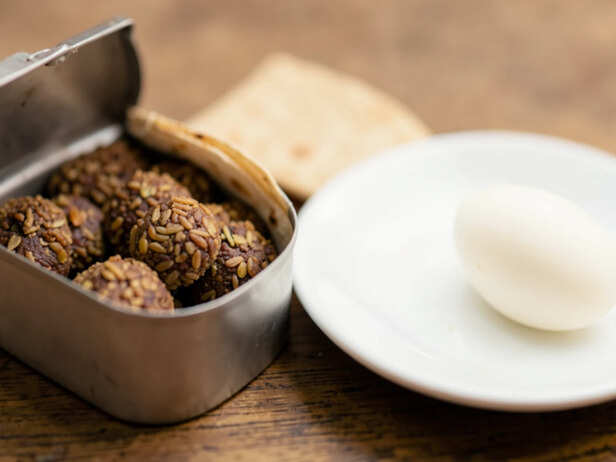
Protein from dal, eggs, paneer, curd, or meat supports the muscle growth happening alongside the bone growth. If your child eats eggs, a hard-boiled egg as a between-meal snack is a practical way to add protein without disrupting the meal structure.
Calcium comes most reliably from dairy, milk, curd, paneer, and from ragi, which has a calcium content that compares well with milk when eaten in useful quantities. A ragi ladoo or a ragi porridge fits naturally into an Indian kitchen and does not require a separate supplement conversation.
If your child is not eating dairy and the diet is otherwise varied, a conversation with a paediatrician about calcium and vitamin D is worth having, not urgent, but worth it.
What does not help: filling the hunger with biscuits, namkeen, or sweetened drinks. The body will accept the calories and still send the hunger signal, because it is looking for protein and micronutrients, not just energy. A child who eats a packet of biscuits between meals is still hungry an hour later for exactly this reason.
When the Spurt Ends
Appetite drops back as abruptly as it rose. A child who was eating two servings at every meal returns to half a serving and seems unbothered by it. Parents who have not seen this before sometimes worry that something is wrong, or that the child is unwell. Usually, the spurt has simply finished. The body has done what it needed to do and the demand has eased.
If appetite drops sharply and stays low for more than two weeks, or if the child seems tired, pale, or unwell alongside the appetite change, that is worth raising with a doctor. A growth spurt ending is not the same as a child going off food.
What Changes Afterwards
The visible evidence comes later. Trousers that fitted last month are suddenly short. A shoe that was fine at the start of the school term needs replacing. The child may seem briefly clumsy, limbs that have just lengthened take a few weeks to feel familiar again. This is normal and temporary.
Some children grow mostly in height during a spurt; others gain more in weight and muscle first. Both are normal patterns. The sequence varies by child and by age, and it does not predict anything about adult build or health.
The hunger at the table was the first chapter. The longer trousers are the last one. Between them, the body did something remarkable with very little fuss, mostly while the child was asleep.
Experiencing frequent stress, fatigue, or health challenges? Your name energy may be worth exploring. Check it here. Unlock insightful tips and inspiration on personal growth, productivity, and well-being. Stay motivated and updated with the latest at
My Life XP.