7 Spiritual Mahashivratri Celebrations That Show Shiva’s Divine Energy
Noopur Kumari | Wed, 11 Feb 2026
Across India, Mahashivratri is celebrated with devotion, joy, and unique regional traditions. Some communities focus on night-long temple vigils, others perform intimate home rituals, while many combine dance, music, and pilgrimage to honor Lord Shiva. From the sacred ghats of Varanasi to the mystical Arunachala Hills in Tiruvannamalai and the Isha Yoga Centre in Coimbatore, each celebration reflects the same spiritual essence: awakening consciousness and seeking divine grace. These rituals inspire reflection, inner transformation, and a profound connection to Shiva. Experiencing these diverse customs highlights India’s rich spiritual heritage and shows how devotion can transcend geography, culture, and time.

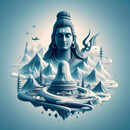
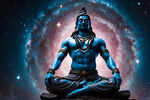
Mahashivratri
Image credit : ChatGPT (AI)
Mahashivratri, the Great Night of Lord Shiva, is one of India’s most sacred festivals, bringing millions of devotees together each year. Celebrated on the fourteenth night of Phalguna, it represents spiritual awakening, inner transformation, and balance of energies. Devotees fast, chant “Om Namah Shivaya,” and stay awake all night, while each region adds its own unique customs, from temple rituals to home worship. These diverse practices highlight India’s rich cultural heritage and the universal devotion to Shiva. Experiencing Mahashivratri inspires reflection, inner peace, and a profound connection to the divine, making it both deeply personal and spiritually unifying.
![Kashi Vishwanath Temple Lit at Night]()
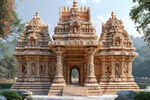
In Varanasi, the eternal city of Lord Shiva, Mahashivratri transforms into a night of deep spiritual immersion. Devotees bathe in the sacred Ganga at dawn, offering milk, honey, water, and bael leaves to the Shiva Lingam. Bells, chants, and hymns echo through temples all night, symbolizing timeless consciousness. Staying awake in devotion until sunrise aligns the body, mind, and soul with cosmic rhythms. Meditation, chanting, and reflection throughout the night create a profound connection with Shiva’s energy. This sacred practice rejuvenates the spirit, deepens spiritual awareness, and allows devotees to experience the divine presence of Lord Shiva fully.
![Mandi Shivratri Fair Procession]()
In Mandi, Himachal Pradesh, Mahashivratri comes alive with the vibrant Mandi Shivratri Fair, a multi-day celebration honoring Lord Shiva. Local gods and goddesses arrive in beautifully decorated palanquins at the Bhootnath Temple, while streets echo with folk dances, traditional music, and joyous chants. This festival showcases the unity of cosmic energy and the power of communal devotion. Participating in rituals, music, and dance strengthens spiritual connection and spreads Shiva’s blessings beyond temple walls into the community. The fair combines culture, spirituality, and collective joy, creating an unforgettable, transformative experience for devotees and visitors alike.
![Kashmiri Pandits Performing Herath]()
For Kashmiri Pandits, Mahashivratri called Herath is a deeply personal home celebration. Families prepare earthen pots filled with water, walnuts, and flowers, symbolizing Shiva and Parvati. The rituals are followed by a carefully prepared feast emphasizing harmony, gratitude, and prosperity. Unlike temple-focused celebrations, Herath highlights devotion within the household, reminding devotees that spiritual awakening begins at home. Quiet worship and reflection connect individuals to Shiva’s presence in daily life. This practice teaches that divinity is not only in grand temples but also in simple, mindful acts of love, gratitude, and family-centered devotion, bringing inner peace and spiritual fulfillment.
In Tamil Nadu, Mahashivratri is celebrated at Tiruvannamalai, around the sacred Arunachala Hill. Devotees perform Girivalam, a barefoot circumambulation of nearly 14 kilometers at night. This silent, meditative walk is believed to cleanse karma, awaken inner stillness, and deepen spiritual awareness. Pilgrims chant Shiva mantras while focusing on breath and steps, reflecting mindfulness and devotion. The night-long journey is both physical and spiritual, teaching perseverance, patience, and surrender. Girivalam highlights the connection between body, mind, and spirit, embodying Shiva’s essence as the eternal guide of consciousness. This sacred ritual draws thousands seeking inner peace and divine blessings.
In Karnataka, Mahashivratri is marked by jagarana, a night-long devotional vigil filled with songs, storytelling, and energetic folk dances like Veeragase. At Gokarna, devotees perform ritual sea baths before offering prayers at Mahabaleshwar Temple. The festival celebrates Shiva’s dual nature—fierce yet compassionate and encourages communal participation. Singing bhajans and performing rituals strengthen collective spiritual energy. Jagarana also symbolizes vigilance over the mind, keeping negativity and ignorance at bay. The night becomes an immersive spiritual experience, where devotion, rhythm, and cultural expression converge to honor the cosmic presence of Lord Shiva.
In Maharashtra, the focus of Mahashivratri is disciplined fasting, often nirjala, abstaining from food and water. Temples conduct elaborate abhishekam rituals, while rural communities sing abhangas and bhajans. This practice emphasizes restraint, devotion, and the yogic nature of Shiva as the ultimate ascetic. Fasting purifies the body, while devotional music purifies the mind. Devotees believe this combination awakens spiritual awareness and strengthens inner willpower. The rituals balance energy, align the body with cosmic rhythms, and invite Shiva’s blessings for wisdom, strength, and spiritual clarity, blending discipline with heartfelt devotion.
At the Isha Yoga Centre in Coimbatore, Mahashivratri has become a global spiritual event. Millions gather to meditate, chant mantras, and participate in music and dance under the towering Adiyogi statue. The celebration emphasizes maintaining an erect spine for energy flow, blending ancient yogic wisdom with modern expression. This global event highlights how Mahashivratri transcends borders, inspiring collective consciousness and spiritual awakening. Devotees experience deep meditation, community energy, and inner stillness, reflecting Shiva’s essence as the master of yoga and cosmic energy.
Despite regional variations, Mahashivratri’s spiritual essence remains universal. Fasting purifies the body, night-long vigils sharpen awareness, and chanting steadies the mind. Shiva is not just a deity but a state of higher consciousness. From temple spires lit with sacred flames to barefoot pilgrimages and intimate home rituals, every custom guides devotees toward balance, awakening, and inner liberation. This night reminds us that devotion transcends form, and every act performed with sincerity whether in song, silence, or prayer connects the soul to the eternal presence of Lord Shiva.
Kashi Vishwanath Temple, Varanasi – Eternal wakefulness and spiritual immersion
Bhootnath Temple, Mandi – Cultural celebrations and divine palanquins
Lingaraj Temple, Bhubaneswar – Lighting of Mahadeep for cosmic blessings
Mahakaleshwar Jyotirlinga, Ujjain – Shiva as divine groom during Shiv Navratri
Tiruvannamalai, Tamil Nadu – Girivalam and karmic cleansing
Gokarna Mahabaleshwar Temple, Karnataka – Night-long jagarana and rituals
Isha Yoga Centre, Coimbatore – Global spiritual awakening and meditation
Varanasi: A Night of Eternal Wakefulness
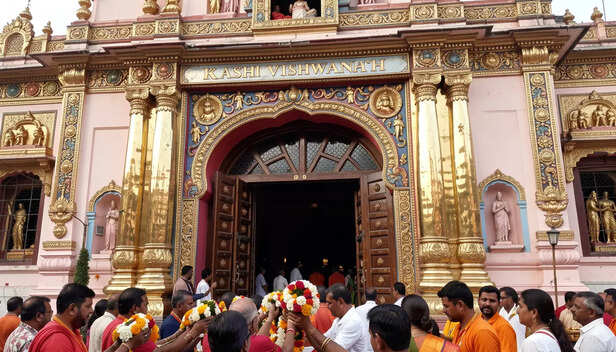
Kashi Vishwanath Temple Lit at Night
Image credit : Freepik
In Varanasi, the eternal city of Lord Shiva, Mahashivratri transforms into a night of deep spiritual immersion. Devotees bathe in the sacred Ganga at dawn, offering milk, honey, water, and bael leaves to the Shiva Lingam. Bells, chants, and hymns echo through temples all night, symbolizing timeless consciousness. Staying awake in devotion until sunrise aligns the body, mind, and soul with cosmic rhythms. Meditation, chanting, and reflection throughout the night create a profound connection with Shiva’s energy. This sacred practice rejuvenates the spirit, deepens spiritual awareness, and allows devotees to experience the divine presence of Lord Shiva fully.
Mandi, Himachal Pradesh: The Festival of Living Deities
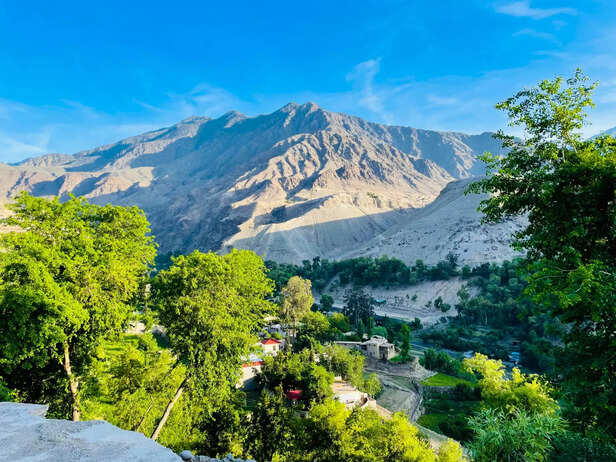
Mandi Shivratri Fair Procession
Image credit : Freepik
In Mandi, Himachal Pradesh, Mahashivratri comes alive with the vibrant Mandi Shivratri Fair, a multi-day celebration honoring Lord Shiva. Local gods and goddesses arrive in beautifully decorated palanquins at the Bhootnath Temple, while streets echo with folk dances, traditional music, and joyous chants. This festival showcases the unity of cosmic energy and the power of communal devotion. Participating in rituals, music, and dance strengthens spiritual connection and spreads Shiva’s blessings beyond temple walls into the community. The fair combines culture, spirituality, and collective joy, creating an unforgettable, transformative experience for devotees and visitors alike.
Kashmir: Herath and Home-Based Worship
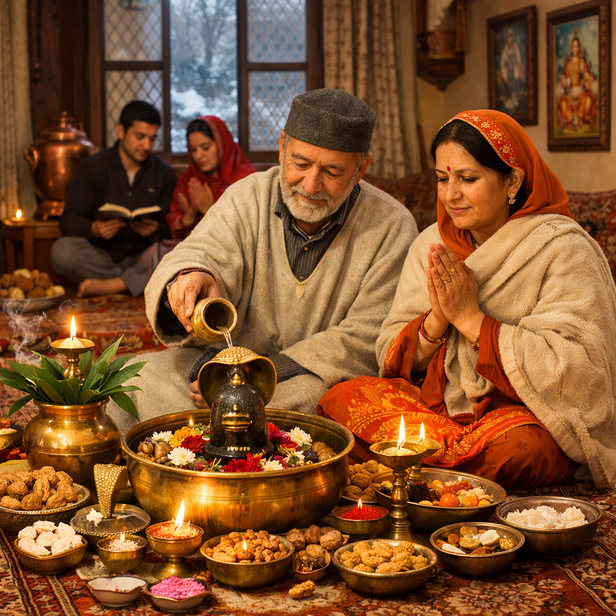
Kashmiri Pandits Performing Herath
Image credit : Chatgpt (AI)
For Kashmiri Pandits, Mahashivratri called Herath is a deeply personal home celebration. Families prepare earthen pots filled with water, walnuts, and flowers, symbolizing Shiva and Parvati. The rituals are followed by a carefully prepared feast emphasizing harmony, gratitude, and prosperity. Unlike temple-focused celebrations, Herath highlights devotion within the household, reminding devotees that spiritual awakening begins at home. Quiet worship and reflection connect individuals to Shiva’s presence in daily life. This practice teaches that divinity is not only in grand temples but also in simple, mindful acts of love, gratitude, and family-centered devotion, bringing inner peace and spiritual fulfillment.
Tamil Nadu: Girivalam and the Sacred Walk
Karnataka: Jagarana and Devotional Vigil
Maharashtra: Fasting and Bhajans
Coimbatore: Global Celebration at Isha Yoga Centre
The Deeper Meaning of Mahashivratri
Seven Must-Visit Temples for Mahashivratri
Bhootnath Temple, Mandi – Cultural celebrations and divine palanquins
Lingaraj Temple, Bhubaneswar – Lighting of Mahadeep for cosmic blessings
Mahakaleshwar Jyotirlinga, Ujjain – Shiva as divine groom during Shiv Navratri
Tiruvannamalai, Tamil Nadu – Girivalam and karmic cleansing
Gokarna Mahabaleshwar Temple, Karnataka – Night-long jagarana and rituals
Isha Yoga Centre, Coimbatore – Global spiritual awakening and meditation