Why Do We Feel Awkward When Someone Is Typing and Then Stops?
Palak Khanna | Jun 10, 2026, 20:23 IST
That tiny typing bubble on a messaging app can trigger surprisingly strong emotions. One moment, someone is typing a reply. The next moment, the indicator disappears without a message arriving. Suddenly, questions flood our minds. Did they change their mind? Did we say something wrong? Are they ignoring us? This article explores the psychology behind why a vanished typing indicator can feel so uncomfortable and what it reveals about human communication in the digital age.

Almost everyone has experienced it. You send a message, wait for a reply, and suddenly see those three little dots appear. Someone is typing. For a few seconds, anticipation builds. Then, without warning, the typing indicator disappears. No message arrives. What follows is often a surprising wave of curiosity, confusion, or even anxiety. We begin creating stories in our heads. Did they rethink their response? Did they get distracted? Were they about to say something important? Although it seems like a small digital event, the disappearing typing indicator reveals a lot about how our brains process uncertainty, social signals, and relationships in the online world.
![The Mystery Behind the Missing Reply]()
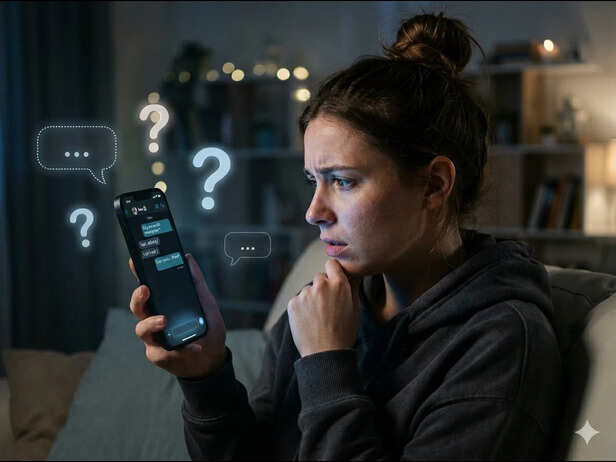
The moment we see someone typing, our brain prepares for incoming information. In face-to-face conversations, people naturally expect a response after asking a question or making a statement. Digital conversations work similarly. The typing indicator acts like a promise that a reply is on the way. When that promise suddenly disappears, our expectations are interrupted. The brain dislikes unfinished patterns. Psychologists often refer to this tendency as our desire for closure. We want to know what was going to be said. The missing message leaves an open loop, and our minds instinctively try to fill the gap.
![When the Brain Fills in the Blanks]()
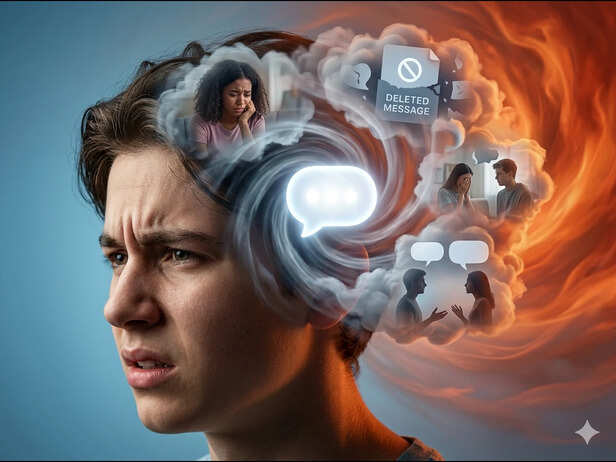
Humans are remarkably uncomfortable with uncertainty. When we lack information, the brain often starts generating possible explanations. Unfortunately, these explanations are not always positive. Instead of assuming the other person became busy, many people immediately wonder whether they offended someone or said something wrong. This reaction is linked to a psychological bias called negative interpretation. When information is incomplete, the mind sometimes fills in the blanks with worst-case scenarios. A vanished typing indicator creates the perfect environment for this process because it provides just enough information to raise questions but not enough to answer them.
Digital Conversations Lack Important
![Digital Signals, Real Emotions]()
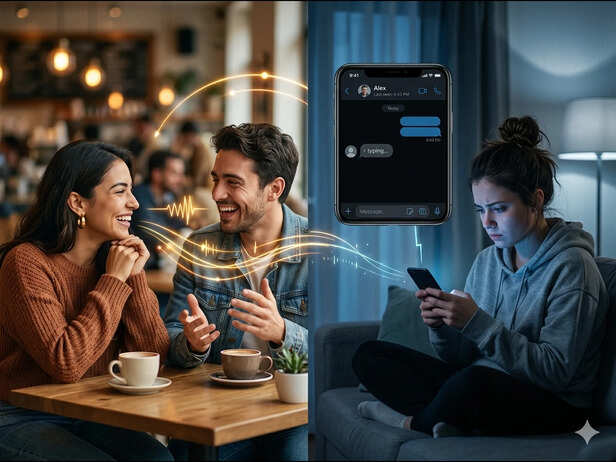
In real life, communication includes tone of voice, facial expressions, body language, and eye contact. Text messages remove nearly all of these signals. As a result, people rely heavily on whatever clues are available. Read receipts, online status indicators, and typing bubbles become substitutes for traditional social cues. The typing indicator feels meaningful because it offers a glimpse into another person's behavior. It tells us they are engaged in the conversation at that exact moment. When it disappears without explanation, we lose that signal. The absence of context can make the interaction feel incomplete or awkward, even when nothing unusual actually happened.
The level of awkwardness often depends on who is typing. If it is a close friend, romantic interest, family member, or someone whose opinion matters to us, the disappearing indicator can feel especially significant. Emotional investment increases attention. People naturally monitor interactions with individuals they care about more closely. Every small digital cue can seem meaningful because the relationship itself feels important. A stopped typing indicator may therefore trigger concerns that have less to do with the message and more to do with our desire for connection, acceptance, and understanding. In many cases, the emotional reaction says more about our investment in the relationship than about the actual conversation.
While our minds often imagine complicated explanations, the truth is usually simple. The other person may have received a phone call. They might have been interrupted by work. They may have decided to rewrite their message. Sometimes people accidentally open a conversation and trigger the typing indicator without even intending to send anything. Modern life is filled with distractions. Most vanished typing indicators have nothing to do with the person waiting for a response. Yet because humans are storytelling creatures, we tend to create narratives that make sense of incomplete information. The brain prefers an explanation, even an inaccurate one, over uncertainty. Understanding this tendency can help reduce unnecessary stress during digital interactions.
The awkward feeling that comes when someone starts typing and suddenly stops is not really about the typing indicator itself. It is about expectation, uncertainty, and our deeply human need for connection. Those three little dots have become powerful social signals in the digital age. They trigger anticipation, invite interpretation, and sometimes create anxiety when no response follows. The next time a typing bubble appears and vanishes, remember that your brain is doing what it has always done: searching for meaning in incomplete information. Most of the time, the missing message is not a sign of rejection or hidden intent. It is simply another reminder that even in a world of instant communication, uncertainty remains a natural part of human relationships.
Unlock insightful tips and inspiration on personal growth, productivity, and well-being. Stay motivated and updated with the latest at My Life XP.
The Typing Bubble Creates Expectations
The Mystery Behind the Missing Reply
The moment we see someone typing, our brain prepares for incoming information. In face-to-face conversations, people naturally expect a response after asking a question or making a statement. Digital conversations work similarly. The typing indicator acts like a promise that a reply is on the way. When that promise suddenly disappears, our expectations are interrupted. The brain dislikes unfinished patterns. Psychologists often refer to this tendency as our desire for closure. We want to know what was going to be said. The missing message leaves an open loop, and our minds instinctively try to fill the gap.
Uncertainty Makes the Mind Work Overtime
When the Brain Fills in the Blanks
Humans are remarkably uncomfortable with uncertainty. When we lack information, the brain often starts generating possible explanations. Unfortunately, these explanations are not always positive. Instead of assuming the other person became busy, many people immediately wonder whether they offended someone or said something wrong. This reaction is linked to a psychological bias called negative interpretation. When information is incomplete, the mind sometimes fills in the blanks with worst-case scenarios. A vanished typing indicator creates the perfect environment for this process because it provides just enough information to raise questions but not enough to answer them.
Digital Conversations Lack Important Social Cues
Digital Signals, Real Emotions
In real life, communication includes tone of voice, facial expressions, body language, and eye contact. Text messages remove nearly all of these signals. As a result, people rely heavily on whatever clues are available. Read receipts, online status indicators, and typing bubbles become substitutes for traditional social cues. The typing indicator feels meaningful because it offers a glimpse into another person's behavior. It tells us they are engaged in the conversation at that exact moment. When it disappears without explanation, we lose that signal. The absence of context can make the interaction feel incomplete or awkward, even when nothing unusual actually happened.
We Are More Emotionally Invested Than We Realize
The Reality Is Usually Much Less Dramatic
The Tiny Signal That Reveals a Big Truth
Unlock insightful tips and inspiration on personal growth, productivity, and well-being. Stay motivated and updated with the latest at My Life XP.