Why Does Lord Vishnu Sleep for Four Months? The Truth Behind Ashadhi Ekadashi
Palak Khanna | Jul 07, 2026, 14:49 IST
Ashadhi Ekadashi is one of the most sacred days in the Hindu calendar, marking the beginning of Lord Vishnu's divine Yoga Nidra. This symbolic four month period, known as Chaturmas, is filled with spiritual significance, devotion, and self reflection. Discover why Lord Vishnu enters this cosmic slumber, what it means for devotees, and how this ancient belief continues to inspire millions today.

Why Does Lord Vishnu Sleep for Four Months?<br>
Image credit : Gemini (AI)
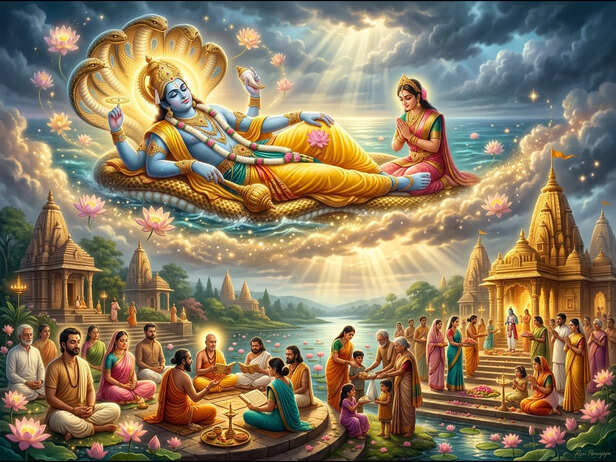
Ashadhi Ekadashi, also known as Devshayani Ekadashi, is celebrated with immense devotion across India. Falling during the bright fortnight of the Hindu month of Ashadha, this day marks the beginning of Chaturmas, a sacred four month period dedicated to prayer, discipline, and spiritual growth. According to Hindu tradition, Lord Vishnu enters Yoga Nidra on this auspicious day, resting upon the cosmic serpent Sheshnag in the divine ocean of Kshira Sagara. While this is often described as a period of divine sleep, Yoga Nidra is not ordinary sleep. It represents a state of supreme awareness, balance, and cosmic preservation. The symbolism behind this tradition carries deep spiritual lessons that remain relevant even today.
![Lord Vishnu Enters Divine Yoga Nidra]()
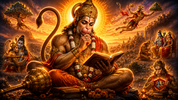
Yoga Nidra literally translates to "yogic sleep," but it is much more than physical rest. In Hindu philosophy, it represents a meditative state where consciousness remains fully active while the body appears to rest. Lord Vishnu's Yoga Nidra symbolizes the rhythm of the universe itself. Just as nature experiences seasons of activity and renewal, the divine too follows a cosmic cycle. During this sacred phase, Vishnu continues to sustain the universe through his divine consciousness rather than through visible action. This reminds devotees that stillness is not inactivity. Sometimes the greatest transformations happen in silence, reflection, and patience.
The arrival of the monsoon has long been associated with slowing down worldly activities. In ancient India, heavy rains made travel difficult for sages, pilgrims, and spiritual teachers. As a result, they stayed in one place and devoted themselves to prayer, study, and teaching. The beginning of Lord Vishnu's Yoga Nidra beautifully aligns with this seasonal change. It encourages humanity to pause alongside nature. The four months of Chaturmas are therefore considered ideal for fasting, meditation, charity, scriptural study, and self improvement. Instead of focusing solely on material pursuits, devotees are encouraged to strengthen their inner lives. This connection between divine symbolism and the natural world reflects the profound wisdom embedded in Hindu traditions.
Several Puranic traditions describe Ashadhi Ekadashi as the day when Lord Vishnu reclines upon the thousand hooded serpent Sheshnag in the Ocean of Milk. One popular belief says that after maintaining cosmic balance and protecting creation, Lord Vishnu enters Yoga Nidra to preserve universal harmony while allowing creation to continue according to divine order. Another tradition associates this period with the blessings granted to King Mandata, whose kingdom suffered from severe drought. Following the guidance of sages, the king observed the sacred Ekadashi fast with complete devotion. Soon after, rains returned and prosperity was restored. These stories highlight faith, righteousness, and devotion rather than miraculous intervention alone. They teach that sincere spiritual discipline can bring harmony to both individuals and society.
![Ashadhi Ekadashi and the Spirit of Devotion]()
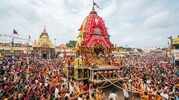
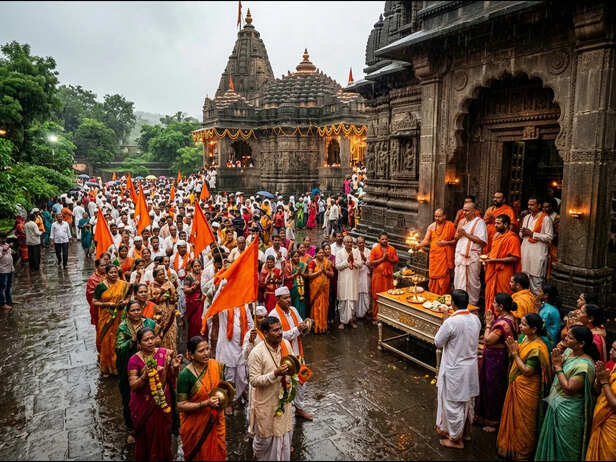
The four months beginning with Ashadhi Ekadashi and ending on Prabodhini Ekadashi are regarded as one of the holiest periods in the Hindu calendar. Many devotees adopt special vows during this time. Some avoid certain foods, while others dedicate themselves to daily prayers, reading sacred texts, chanting Vishnu Sahasranama, or performing acts of charity. Temples organize devotional gatherings, kirtans, and spiritual discourses. Pilgrimages like the famous Pandharpur Wari reach their spiritual peak during Ashadhi Ekadashi as thousands of devotees walk for days singing the praises of Lord Vitthal, a beloved form of Lord Vishnu. The emphasis throughout Chaturmas is not on rigid rituals but on cultivating humility, compassion, and discipline.
![The Timeless Wisdom of Chaturmas]()
The story of Lord Vishnu entering Yoga Nidra carries timeless wisdom that extends beyond religious observance. Modern life often celebrates constant productivity, leaving little room for reflection or emotional renewal. Yoga Nidra reminds us that meaningful growth also requires moments of pause. Just as nature slows during the rainy season, people too can benefit from periods of introspection. Whether through prayer, meditation, mindful living, or acts of kindness, Ashadhi Ekadashi inspires individuals to reconnect with themselves and with higher values. The divine sleep of Lord Vishnu is therefore not about withdrawal from responsibility. Instead, it symbolizes trust in the natural rhythm of life, where rest and action exist in perfect balance.
Ashadhi Ekadashi is far more than the beginning of Lord Vishnu's Yoga Nidra. It marks the opening of a sacred season that encourages spiritual reflection, self discipline, and inner transformation. The symbolism of Yoga Nidra teaches that silence can be powerful, patience can be productive, and faith can provide strength during life's quieter moments. As devotees observe Chaturmas with devotion and humility, they prepare themselves for the joyful awakening of Lord Vishnu on Prabodhini Ekadashi. In a fast moving world, the message of Ashadhi Ekadashi remains beautifully relevant. Sometimes the path to lasting growth begins not with constant action, but with a sacred pause filled with awareness, devotion, and hope.
Unlock insightful tips and inspiration on personal growth, productivity, and well-being. Stay motivated and updated with the latest atMy Life XP.
Understanding the Meaning of Yoga Nidra
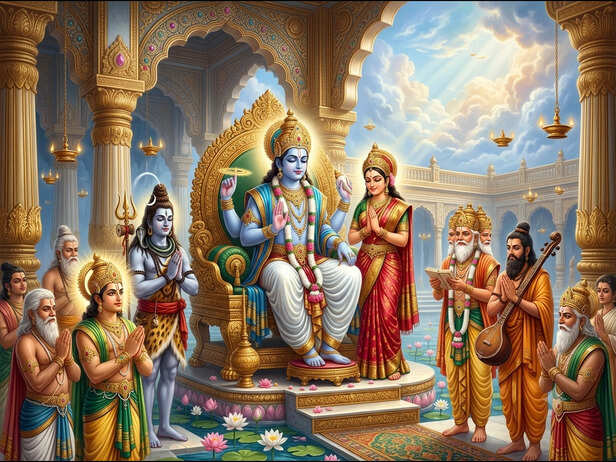
Lord Vishnu Enters Divine Yoga Nidra
Image credit : Gemini (AI)
Yoga Nidra literally translates to "yogic sleep," but it is much more than physical rest. In Hindu philosophy, it represents a meditative state where consciousness remains fully active while the body appears to rest. Lord Vishnu's Yoga Nidra symbolizes the rhythm of the universe itself. Just as nature experiences seasons of activity and renewal, the divine too follows a cosmic cycle. During this sacred phase, Vishnu continues to sustain the universe through his divine consciousness rather than through visible action. This reminds devotees that stillness is not inactivity. Sometimes the greatest transformations happen in silence, reflection, and patience.
Why Ashadhi Ekadashi Marks the Beginning of Divine Rest
The Sacred Story Behind Devshayani Ekadashi
Why Chaturmas Is Considered Spiritually Powerful
Ashadhi Ekadashi and the Spirit of Devotion
Image credit : Gemini (AI)
The four months beginning with Ashadhi Ekadashi and ending on Prabodhini Ekadashi are regarded as one of the holiest periods in the Hindu calendar. Many devotees adopt special vows during this time. Some avoid certain foods, while others dedicate themselves to daily prayers, reading sacred texts, chanting Vishnu Sahasranama, or performing acts of charity. Temples organize devotional gatherings, kirtans, and spiritual discourses. Pilgrimages like the famous Pandharpur Wari reach their spiritual peak during Ashadhi Ekadashi as thousands of devotees walk for days singing the praises of Lord Vitthal, a beloved form of Lord Vishnu. The emphasis throughout Chaturmas is not on rigid rituals but on cultivating humility, compassion, and discipline.
The Deeper Spiritual Message for Modern Life
The Timeless Wisdom of Chaturmas
Image credit : Gemini (AI)
The story of Lord Vishnu entering Yoga Nidra carries timeless wisdom that extends beyond religious observance. Modern life often celebrates constant productivity, leaving little room for reflection or emotional renewal. Yoga Nidra reminds us that meaningful growth also requires moments of pause. Just as nature slows during the rainy season, people too can benefit from periods of introspection. Whether through prayer, meditation, mindful living, or acts of kindness, Ashadhi Ekadashi inspires individuals to reconnect with themselves and with higher values. The divine sleep of Lord Vishnu is therefore not about withdrawal from responsibility. Instead, it symbolizes trust in the natural rhythm of life, where rest and action exist in perfect balance.
A Sacred Pause Before Renewal
Unlock insightful tips and inspiration on personal growth, productivity, and well-being. Stay motivated and updated with the latest atMy Life XP.